Hatcheries · Buyer persona
Describe the four people who decide where chicks are bought, and sell to each differently.
A buyer persona for a hatchery is a written profile of one type of buyer: what they ask, what worries them and who they listen to. GullySales builds profiles from your own sales book and dealer conversations rather than from guesses.
Scope, fee, reporting and term are agreed in writing after we have read your brief and spoken to you.
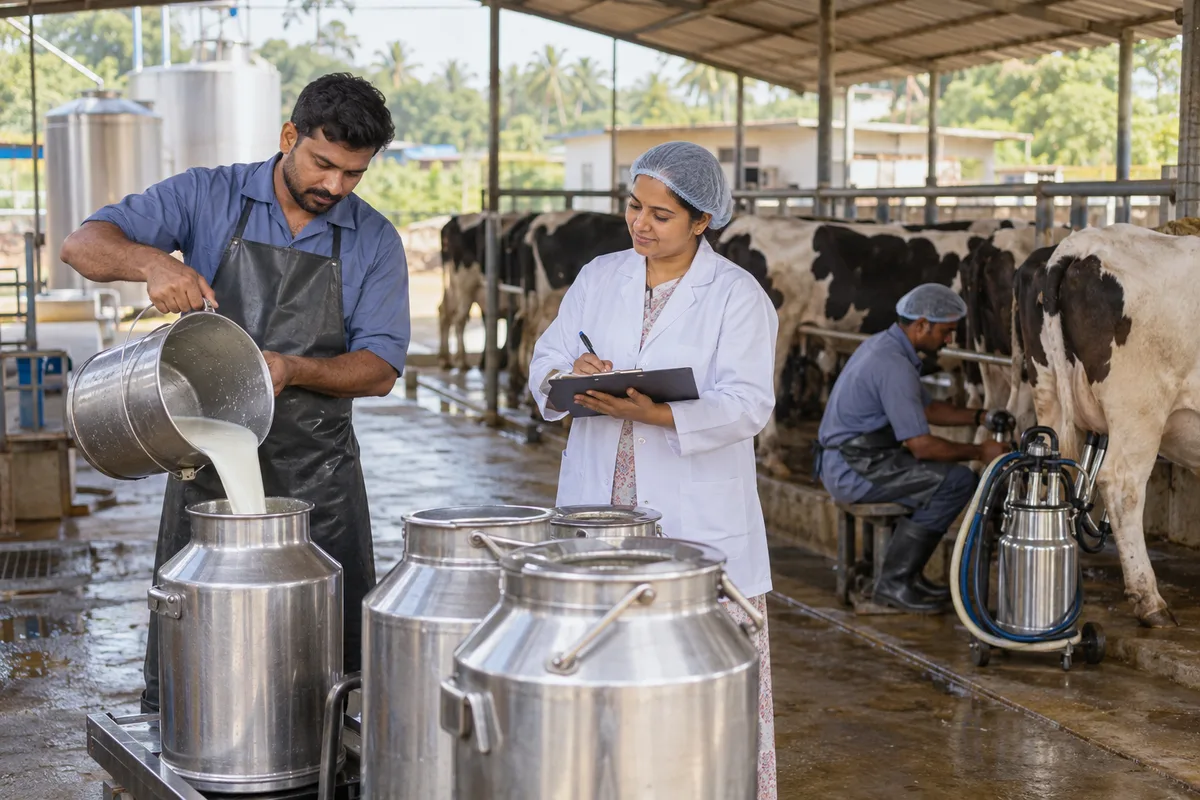
What buyer persona means
A buyer persona is a plain description of the kind of customer who actually buys from you. It includes what they search, what worries them and who else they ask before deciding. GullySales builds this from real enquiries and past sales rather than a generic template, then uses it to write every page and advert.
Last updated 18 Oct 2026.
For hatcheries
Where it usually goes wrong, and what we would do.
“The first-time broiler farmer”
New to poultry, nervous about the first batch, and guided by the local feed dealer. This buyer wants clear instructions, a van that arrives, and someone to ring when a question comes up in the first week.
“The experienced broiler or layer farmer”
Compares hatcheries on chick uniformity and early mortality from past batches. This buyer asks other farmers and trusts records over words, so a quality sheet and a straight answer count.
“The dealer who carries several hatcheries”
Cares about margin, payment terms and how a complaint is handled. A dealer who is let down by one problem batch with no response will move the farmer to another hatchery.
“The integrator or large farm buyer”
Buys on capacity, contract terms and supply records. This buyer reads a supply profile and a setting capacity note, and needs a named contact rather than a general phone line.
What we do
What we deliver for hatcheries.
Every deliverable, what it covers for you, and the result it is there to produce. Nothing here is an extra.
Four written personas
One page for each buyer type with questions asked, worries, trusted sources and what a good reply looks like.
Result: Staff handle each caller with the right approach.
A question bank
The questions each persona asks, with the answers your team has agreed on.
Result: Everyone answers the same question the same way.
A persona based call guide
How the opening of a call changes for a first-timer, an experienced farmer, a dealer or a large buyer.
Result: The first minute of a call matches who is on the line.
A persona check against your sales book
A comparison of the profiles with your actual customers, to correct what the profiles got wrong.
Result: The personas describe your real buyers.
Messaging notes by persona
Lines for the rate card, dealer kit and proof page, adjusted for each buyer.
Result: Each document speaks to its reader.
How the result is measured
- Enquiry match to persona
- Conversion rate by persona
- Content aligned to persona
Recorded as a baseline before work starts, so every later report has an honest comparison.
Who it is for
This is written for these hatcheries.
- Broiler day-old chick hatcheries
- Layer chick hatcheries
- Commercial breeder farms with hatcheries
- Country chicken and desi chick hatcheries
- Duck, quail and turkey hatcheries
- Contract hatcheries serving an integrator
- Small hatcheries with a local dealer network
- Hatcheries also selling hatching eggs
How it works
How the buyer persona work runs
The work itself, in order. How an engagement starts, from your brief to a written scope, is set out on our method page.
- 1
Understand the current view
We start with how your team currently describes the customer, since the gap between belief and reality is often the finding itself.
- 2
Audit past enquiries and sales
We look at recent enquiries and closed deals to see who actually bought, not who was assumed to buy.
- 3
Interview customers and staff
Short, structured conversations surface the real language, worries and triggers behind a purchase.
- 4
Build the personas
Findings are written into short, usable persona documents rather than a long report.
- 5
Apply to your marketing
We show exactly where each persona should change a page, an ad or a script you already have.
Where this fits
Three pieces of sales work, in this order.
This work sits inside sales process design, at stage 0, foundation. The audit comes before it, and sales management keeps it running.
Step 1
Sales audit
Find where deals are being lost and what to fix first.
Start here if you cannot say where orders are lost.
Step 2 · you are here
Sales process design
One written way to sell, from first enquiry to repeat order.
Start here if every salesperson sells differently.
Step 3
Sales management
A target, a review routine and someone who owns the number.
Start here if the team has targets and no routine.
FAQ
Questions owners ask before they call.
Not here? More answers, or ask on WhatsApp.
Where does the persona information come from?
Do we need personas for a small hatchery?
Do the personas change?
How much does it cost?
How long is the contract?
How soon will we see results?
Who will actually do the work?
What do you need from us?
What if we are not happy with the work?
More for hatcheries
Everything else we would do for you.
Closest to this: strategy and research
Also for hatcheries
Or start from the overview: sales and marketing for hatcheries.
Your next practical step
Tell us what you are trying to grow, and we will read it before we call.
Eight short steps, mostly taps. Skip anything you would rather answer on the call.