Mineral export companies · Social media
Show the yard, the stack and the loading on the platforms where importers look.
Social media for a mineral exporter means placing evidence of real operations, such as the yard, the crushing line, the loading and the lab check, where importers, agents and procurement staff will see it. GullySales plans the posts and the profile, and keeps the tone of a supplier, not an advertisement.
Scope, fee, reporting and term are agreed in writing after we have read your brief and spoken to you.
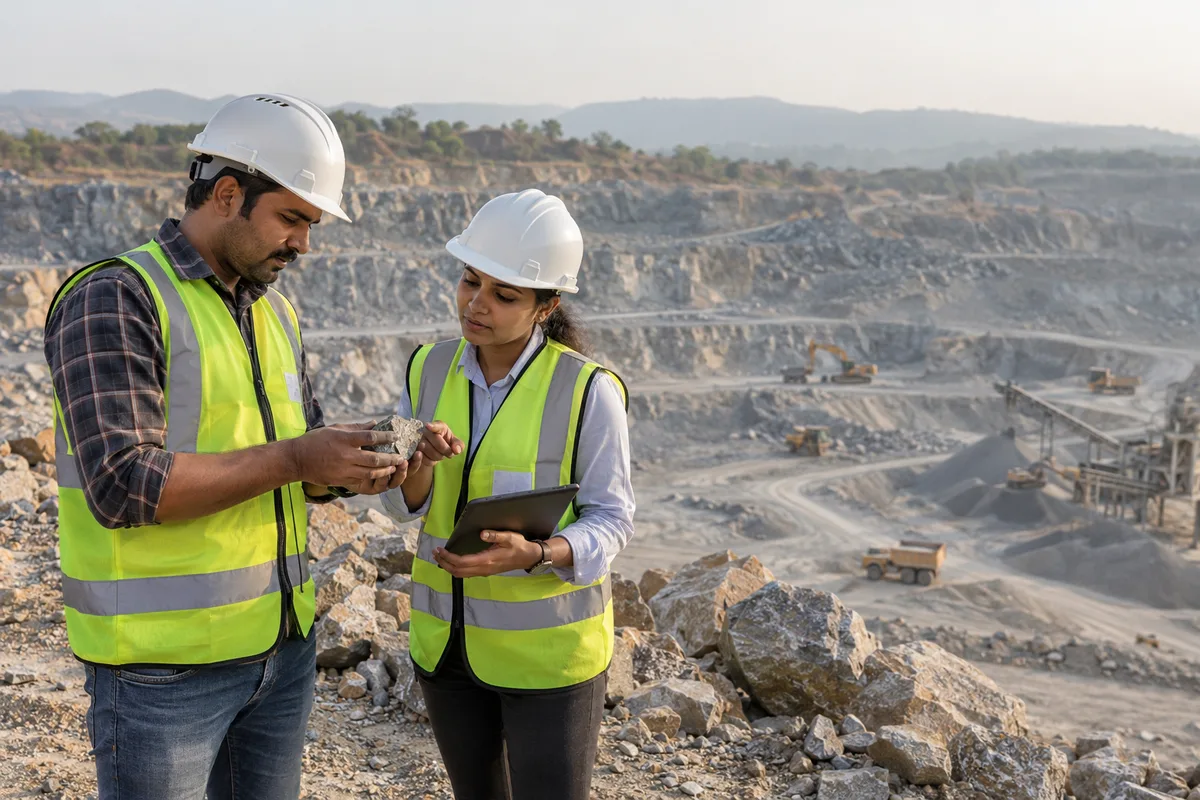
What social media means
Social media is the ongoing posting your business does on platforms such as Instagram, Facebook and LinkedIn to stay visible to customers and prospects between purchases. GullySales plans a posting calendar, writes captions and designs the images so the page looks active and answers what a visitor would ask.
Last updated 18 Oct 2026.
For mineral export companies
Where it usually goes wrong, and what we would do.
“LinkedIn is where the buyer's colleagues look”
A procurement manager or trader abroad may check your company profile before replying. A profile with a clear description, product list and recent operational posts makes the supplier look real. An empty profile does the opposite.
“Short video proves what a photo cannot”
A clip of a truck being weighed, a block being cut or a container being stuffed shows scale and care in a way a catalogue does not. Importers who cannot visit the yard watch the clip instead. Keep it plain and steady, with a caption naming the mineral and grade.
“Posting a price invites the wrong audience”
Public price posts draw price-hunters and give competitors your number. Use social media to show capability, packing, inspection and past shipments, and take the price conversation into a direct message where the buyer has identified themselves.
“Staff and contacts carry the reach”
Posts from the company page reach a few people. Posts that the director and the export manager share from their own profiles reach their contacts too. Agree what may be shared, so photos never show a buyer's identity or a confidential lot.
What we do
What we deliver for mineral export companies.
Every deliverable, what it covers for you, and the result it is there to produce. Nothing here is an extra.
Profile set-up
Company profile on LinkedIn and a channel on YouTube, with description, product list, logo and links to the site.
Result: A buyer who looks you up finds a complete, consistent profile.
Content plan around operations
A plan for posts on the yard, grading, packing, loading and inspection, each tied to a mineral and grade.
Result: Every post shows something an importer would check before a first shipment.
Photo and video shot list
A list of what to capture at the yard and port, with simple instructions for a phone camera.
Result: Your team knows what to photograph on each shipment day.
Sharing guide for staff
A short guide on what the director and export team may post, and what stays private.
Result: Posts from staff support the brand without leaking buyer details.
Enquiry handover
A routine for moving a message from a social platform into the enquiry record with the qualifying questions.
Result: A social message is treated like any other enquiry.
How the result is measured
- Posts published
- Engagement rate
- Enquiries from social profiles
Recorded as a baseline before work starts, so every later report has an honest comparison.
Posts and pieces to plan
Posts an importer or plant buyer would pause on, mineral by mineral.
- A stack photographed beside a tape and a tag
- A photo post showing lump size and the lot marking. Needs a real stack from your yard, dated by the lot number, not a stock image.
- Loading of a container from the yard to the port
- A short video of stuffing, sealing and the truck leaving. The proof it needs is the container number blurred or shown with the buyer's consent.
- Block selection at the quarry
- A video of a granite block being marked and cut, with the colour name stated. It shows an importer a stone they can match to their order.
- How a lab report is read
- A carousel on LinkedIn explaining the parameters on your report and what each means for a plant. Needs a report you are free to share.
- A packing day at the yard
- A photo set of bagging, strapping and labelling. Overseas buyers who have received a torn bag will notice this more than a sales line.
Who it is for
This is written for these mineral export companies.
- Barytes, bauxite and iron ore exporters
- Granite block and slab exporters
- Mica, quartz and feldspar exporters
- Industrial mineral and mineral powder exporters
- Manganese and chromite ore exporters
- Exporters shipping through merchant exporters or agents
- Mineral processors who have begun to export
- Traders who source across states and ship through one port
Not for
It is not the right fit if.
- You cannot show the yard or the loading because access is restricted, so there is nothing true to post
- Nobody can answer a LinkedIn message from an importer the same day, so reach would turn into unanswered requests
- Your buyers all come through one agent who will not allow direct contact, and posts cannot reach the end user
How it works
How the social media work runs
The work itself, in order. How an engagement starts, from your brief to a written scope, is set out on our method page.
- 1
Confirm audience, platforms and access
We note which platforms your buyers use and check that the pages sit under your own business accounts, with you as owner and us as added roles.
- 2
Review the current presence
We read the existing pages, the posts that drew replies and the gaps in posting.
- 3
Build the calendar
Themes, formats and dates are set out for your approval, with space for offers and news.
- 4
Create, approve and publish
Posts are made, approved by you and scheduled. Replies to the public are handled in your voice.
- 5
Record enquiries and adjust
Enquiries are logged against the post or platform where they began, and the mix changes to follow what brings them.
Where this fits
Three pieces of sales work, in this order.
This work sits inside sales process design, at stage 0, foundation. The audit comes before it, and sales management keeps it running.
Step 1
Sales audit
Find where deals are being lost and what to fix first.
Start here if you cannot say where orders are lost.
Step 2 · you are here
Sales process design
One written way to sell, from first enquiry to repeat order.
Start here if every salesperson sells differently.
Step 3
Sales management
A target, a review routine and someone who owns the number.
Start here if the team has targets and no routine.
FAQ
Questions owners ask before they call.
Not here? More answers, or ask on WhatsApp.
Which platform matters most for a mineral exporter?
Should we post shipment photos?
Can we name the importer in a shipment post?
How do we handle comments asking for a price?
How long is the contract?
How soon will we see results?
Who will actually do the work?
What do you need from us?
What if we are not happy with the work?
More for mineral export companies
Everything else we would do for you.
Closest to this: content and social
Also for mineral export companies
Or start from the overview: sales and marketing for mineral export companies.
Your next practical step
Tell us what you are trying to grow, and we will read it before we call.
Eight short steps, mostly taps. Skip anything you would rather answer on the call.