Shrimp farms · Buyer persona
Know who decides at each buyer, because a plant and a hotel want different things.
A buyer persona for a shrimp farm describes the real people who decide on the harvest: the plant's purchase manager, the agent, the trader and the hotel chef. GullySales writes each one down so that every message and call speaks to what that person checks first.
Scope, fee, reporting and term are agreed in writing after we have read your brief and spoken to you.
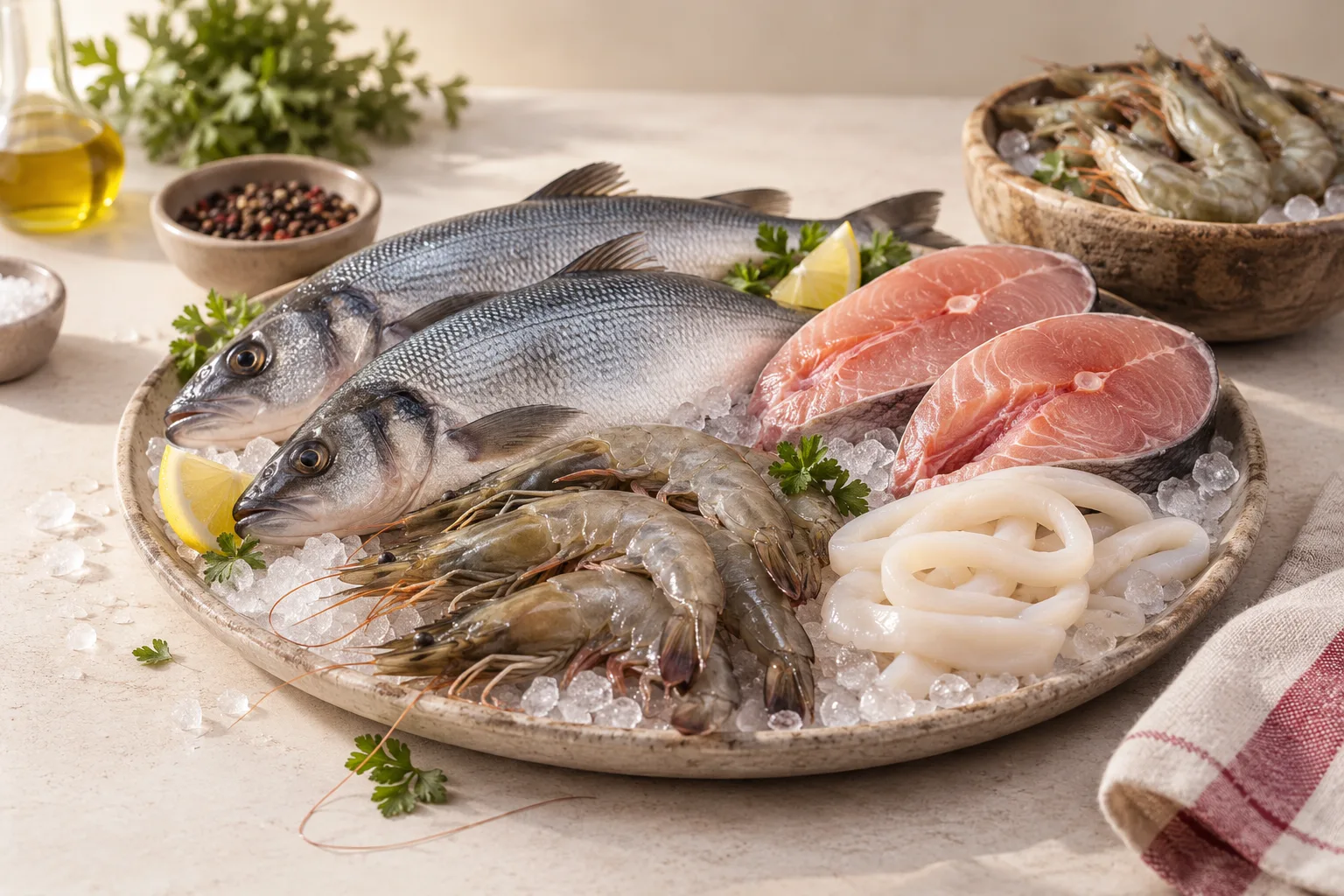
What buyer persona means
A buyer persona is a plain description of the kind of customer who actually buys from you. It includes what they search, what worries them and who else they ask before deciding. GullySales builds this from real enquiries and past sales rather than a generic template, then uses it to write every page and advert.
Last updated 18 Oct 2026.
For shrimp farms
Where it usually goes wrong, and what we would do.
“The plant buyer wants count and clean arrival”
A procurement manager is judged on the lot arriving at the gate in the count promised, with colour and ice in order. They ask about the pond, the sample count and the transport. Talk about the farm's story gets less attention.
“The agent wants a harvest that runs smoothly”
The agent arranges crew, ice and vehicle, and is paid on settled weights. They want a farm with a date that holds and no argument at the scale. Reliability on the day matters more to them than a rate.
“The trader buys to resell, so price comes first”
A trader works on the gap between your rate and the next. They compare quotes quickly and move on if the lot is hard to collect. They need the quantity and the place stated plainly.
“The hotel or fish shop wants freshness and a delivery that arrives”
A chef or shop owner decides on how the shrimp look and smell and whether the vehicle comes when the kitchen or counter opens. The small-lot offer is written for this reader.
What we do
What we deliver for shrimp farms.
Every deliverable, what it covers for you, and the result it is there to produce. Nothing here is an extra.
A one-page persona for each buyer type
Plant, agent, trader and local buyer, each with what they check, what they dislike and who decides.
Result: Four pages you can pin up in the farm office.
A question list from past calls
The questions each buyer asked at earlier harvests, taken from your memory and messages.
Result: A list of real questions grouped by buyer type.
A message set per persona
Opening lines and harvest notices written for the reader of each page.
Result: Each persona has a message that answers its own first question.
A note on who really decides
The name and role of the person who says yes at each plant and agency, and who influences them.
Result: A named contact for every buyer on your list.
A review after the next harvest
The personas are checked against what buyers actually asked.
Result: The pages are corrected where a buyer behaved differently.
How the result is measured
- Enquiry match to persona
- Conversion rate by persona
- Content aligned to persona
Recorded as a baseline before work starts, so every later report has an honest comparison.
Who is asking
The people on the buying side of a harvest, and what each wants to know before calling.
- Plant procurement manager
- Wants species, expected count range, harvest window and the pond's feed and treatment record, so the intake can be planned and any rejection explained.
- Agent arranging the harvest
- Wants the date early, the crew and ice sorted, and a pond whose water level and access suit a net. Cares more about a smooth day than the rate.
- Trader buying to resell
- Wants the price, the weight and the payment day, in that order. Will drop a farm that argues over weights at the weighing.
- Hotel or catering purchaser
- Wants fresh shrimp of a stated size delivered before the kitchen opens, and a clear answer on how it is packed and iced.
- Fish retailer in the local market
- Wants odd-count or small shrimp at a rate that leaves a margin, and a farm that tells them early when a lot is coming.
- Hatchery or feed dealer asking for references
- Wants to know how the farm is run before recommending it to a buyer. Needs a short profile and permission to pass it on.
Who it is for
This is written for these shrimp farms.
- Vannamei farms on the east and west coast
- Tiger shrimp (monodon) farms, including low-density units
- Inland saline-water shrimp farms
- Small farms of a few acres with leased ponds
- Large farms with several ponds and a staggered stocking plan
- Farmer groups and societies that sell through a common agent
- Farms that also run their own hatchery link or nursery
- Farms that supply local hotels, markets and retail shops
Not for
It is not the right fit if.
- You have sold to the same plant for every crop and have no wish to hear from another buyer.
- You have not yet recorded who bought your last crops, so a persona would be built from memory alone.
- Your harvest is committed in advance to one agent, so a profile of other buyers would go unused.
How it works
How the buyer persona work runs
The work itself, in order. How an engagement starts, from your brief to a written scope, is set out on our method page.
- 1
Understand the current view
We start with how your team currently describes the customer, since the gap between belief and reality is the finding itself.
- 2
Audit past enquiries and sales
We look at recent enquiries and closed deals to see who actually bought, not who was assumed to buy.
- 3
Interview customers and staff
Structured conversations with recent buyers, held as talk about the last purchase and not a questionnaire. We ask what happened before they called, who else was involved and what they compared. Customers agree before we contact them, and their answers are reported without names.
- 4
Build the personas
Findings are written into short, usable persona documents rather than a long report.
- 5
Apply to your marketing
We show where each persona should change a page, an ad or a script you already have. The sales team reads the drafts and says which ring true. A persona they do not recognise is rewritten.
Where this fits
Three pieces of sales work, in this order.
This work sits inside sales process design, at stage 0, foundation. The audit comes before it, and sales management keeps it running.
Step 1
Sales audit
Find where deals are being lost and what to fix first.
Start here if you cannot say where orders are lost.
Step 2 · you are here
Sales process design
One written way to sell, from first enquiry to repeat order.
Start here if every salesperson sells differently.
Step 3
Sales management
A target, a review routine and someone who owns the number.
Start here if the team has targets and no routine.
FAQ
Questions owners ask before they call.
Not here? More answers, or ask on WhatsApp.
Is a persona just a guess?
Do I need one for every plant?
Does this change how I price?
How do I find out what a plant buyer really wants?
How long is the contract?
How soon will we see results?
Who will actually do the work?
What do you need from us?
What if we are not happy with the work?
More for shrimp farms
Everything else we would do for you.
Closest to this: strategy and research
Also for shrimp farms
Or start from the overview: sales and marketing for shrimp farms.
Your next practical step
Tell us what you are trying to grow, and we will read it before we call.
Eight short steps, mostly taps. Skip anything you would rather answer on the call.