Product and industrial design studios · Social media
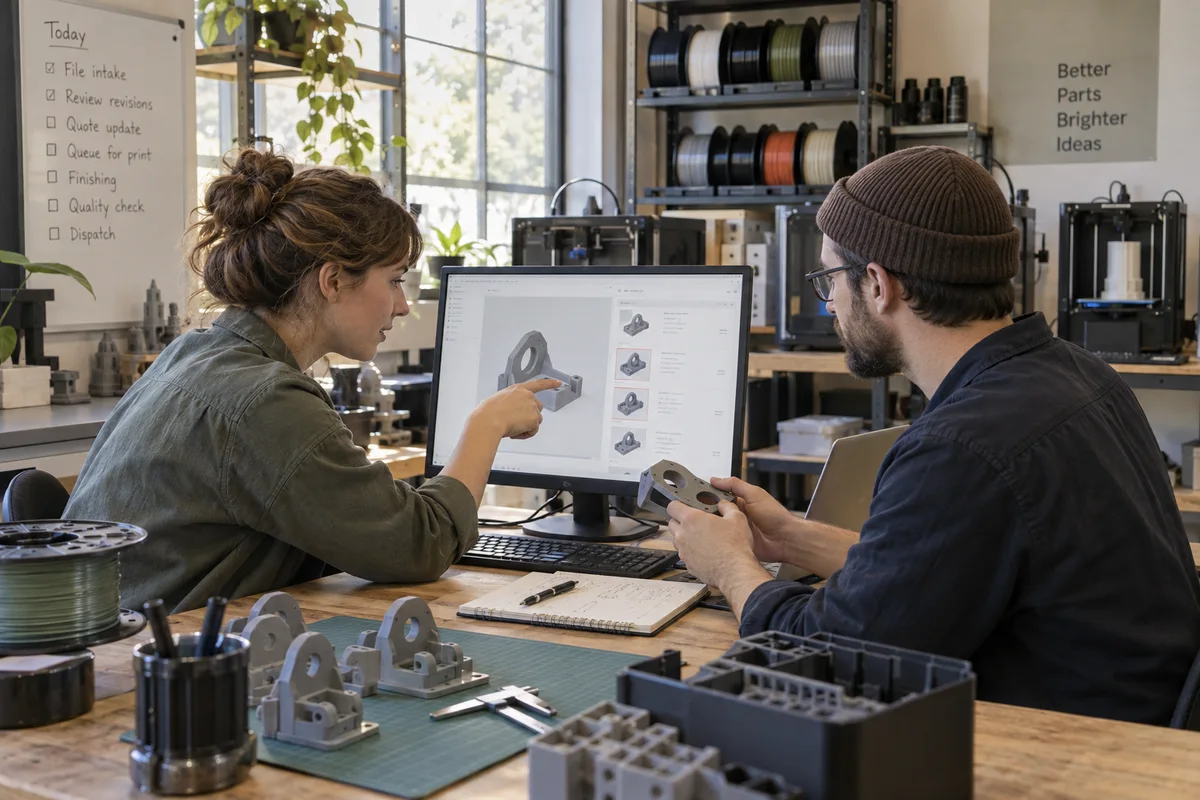
Show how a rough sketch becomes a part a toolmaker can cut.
Social media marketing for a product design studio is showing the thinking behind the finished product to people who buy design. GullySales plans what to post, where, and how a comment from a plant owner becomes a conversation.
Scope, fee, reporting and term are agreed in writing after we have read your brief and spoken to you.
What social media means
Social media is the ongoing posting your business does on platforms such as Instagram, Facebook and LinkedIn to stay visible to customers and prospects between purchases. GullySales plans a posting calendar, writes captions and designs the images so the page looks active and answers what a visitor would ask.
Also for product and industrial design studios
- Content marketing for product and industrial design studios
- Lead generation for product and industrial design studios
- SEO for product and industrial design studios
- Buyer personas for product and industrial design studios
- CRM for product and industrial design studios
- Follow-up systems for product and industrial design studios
- WhatsApp marketing for product and industrial design studios
- Digital marketing for product and industrial design studios
Sales and marketing for product and industrial design studios, the overview.
Last updated 22 Oct 2026.
For product and industrial design studios
Where it usually goes wrong, and what we would do.
“Finished renders get praise and no calls”
Likes come from designers. A buyer responds to the story behind the render: the constraint, the material choice, the toolmaker's note. Post the constraint, the material choice and the toolmaker's note, and the manufacturer sees a studio that understands production.
“LinkedIn reaches plant heads and founders”
Instagram and Behance reach other designers and students. Choose the platform by the buyer you want, not the one where your work looks best. Choose the platform by the person you want to reach, and keep a lighter presence elsewhere for recruitment only.
“Unreleased work cannot be shown”
A client's product may not be public. Posts about it need written permission, and some projects stay off until launch. Keep a list of what is cleared and what is held, and wait for the client's launch before showing anything new.
“Process content builds trust slowly”
A sketch to prototype sequence shows how you think. It does not produce an enquiry the same day, and that is acceptable. Accept that a sequence of sketch, prototype and tooling note builds trust over time, and judge it by the conversations that follow.
What we do
What we deliver for product and industrial design studios.
Every deliverable, what it covers for you, and the result it is there to produce. Nothing here is an extra.
Process-led content plan
Posts built from sketches, prototypes, tooling discussions and material trials, with the client's approval recorded.
Result: Posts show how you work, not just what you made.
Platform plan for buyers and peers
LinkedIn for manufacturers and founders; a lighter presence for design communities if recruitment matters.
Result: Each audience gets the right platform.
Approval note for client work
A short sheet recording what may be shown, from what date, and in what detail for each project.
Result: No post goes live without clearance.
Founder and designer voice
Posts written in the voice of the principal designer explaining decisions, with GullySales drafting from your notes.
Result: Buyers hear the person they will work with.
Comment-to-conversation routine
Who replies to a comment or message, what they ask next and where the enquiry is recorded.
Result: Social interest reaches your enquiry list.
Post-to-enquiry tracking
A record of which posts were followed by a message, a profile visit from a target company or a meeting request.
Result: You keep the subjects that start conversations.
Employee and partner sharing
A short note for your designers on how to share studio posts with their own contacts, with the clearance rules attached.
Result: Posts reach the networks that already trust you.
How the result is measured
- Posts published
- Engagement rate
- Enquiries from social profiles
Recorded as a baseline before work starts, so every later report has an honest comparison.
Who it is for
This is written for these product and industrial design studios.
- MSME manufacturers in clusters such as Rajkot, Coimbatore, Ludhiana and Pune
- Hardware and electronics startups after a seed round
- D2C brands moving from sourced goods to their own designed products
- Consumer appliance and kitchenware makers
- Medical device and diagnostic equipment makers
- Furniture and lighting manufacturers
- Auto component and two-wheeler accessory makers
- Packaging firms wanting structural design
How it works
How the social media work runs
The work itself, in order. How an engagement starts, from your brief to a written scope, is set out on our method page.
- 1
Understand your audience and platforms
We identify which platforms your specific buyers actually use and what kind of content they respond to.
- 2
Audit current presence
We review existing pages, past content performance and any gaps in consistency.
- 3
Build the content calendar
A plan is created, balancing genuine value with occasional direct offers.
- 4
Implement and post
Content is created and published consistently on the agreed schedule.
- 5
Measure and optimise
We track enquiries alongside engagement and adjust the content mix based on what actually performs.
Where this fits
Three pieces of sales work, in this order.
This work sits inside sales process design, at stage 0, foundation. The audit comes before it, and sales management keeps it running.
Step 1
Sales audit
Find where deals are being lost and what to fix first.
Start here if you cannot say where orders are lost.
Step 2 · you are here
Sales process design
One written way to sell, from first enquiry to repeat order.
Start here if every salesperson sells differently.
Step 3
Sales management
A target, a review routine and someone who owns the number.
Start here if the team has targets and no routine.
FAQ
Questions owners ask before they call.
Not here? More answers, or ask on WhatsApp.
Do we need Instagram?
Can we show a prototype of an unreleased product?
Will posts bring projects?
How much does it cost?
How long is the contract?
How soon will we see results?
Who will actually do the work?
What do you need from us?
What if we are not happy with the work?
More for product and industrial design studios
Everything else we would do for you.
Closest to this: content and social
Also for product and industrial design studios
- Lead generation for product and industrial design studios
- SEO for product and industrial design studios
- Buyer personas for product and industrial design studios
- CRM for product and industrial design studios
- Follow-up systems for product and industrial design studios
- WhatsApp marketing for product and industrial design studios
Or start from the overview: sales and marketing for product and industrial design studios.
Your next practical step
Tell us what you are trying to grow, and we will read it before we call.
Eight short steps, mostly taps. Skip anything you would rather answer on the call.