Product and industrial design studios · Buyer persona
Know whether the person on the call is a founder, a plant head or a brand manager.
A buyer persona for a product design studio describes the people who commission design, what each worries about and who else must agree. GullySales builds them from your past projects and uses them to shape pages, proposals and follow-up.
Scope, fee, reporting and term are agreed in writing after we have read your brief and spoken to you.
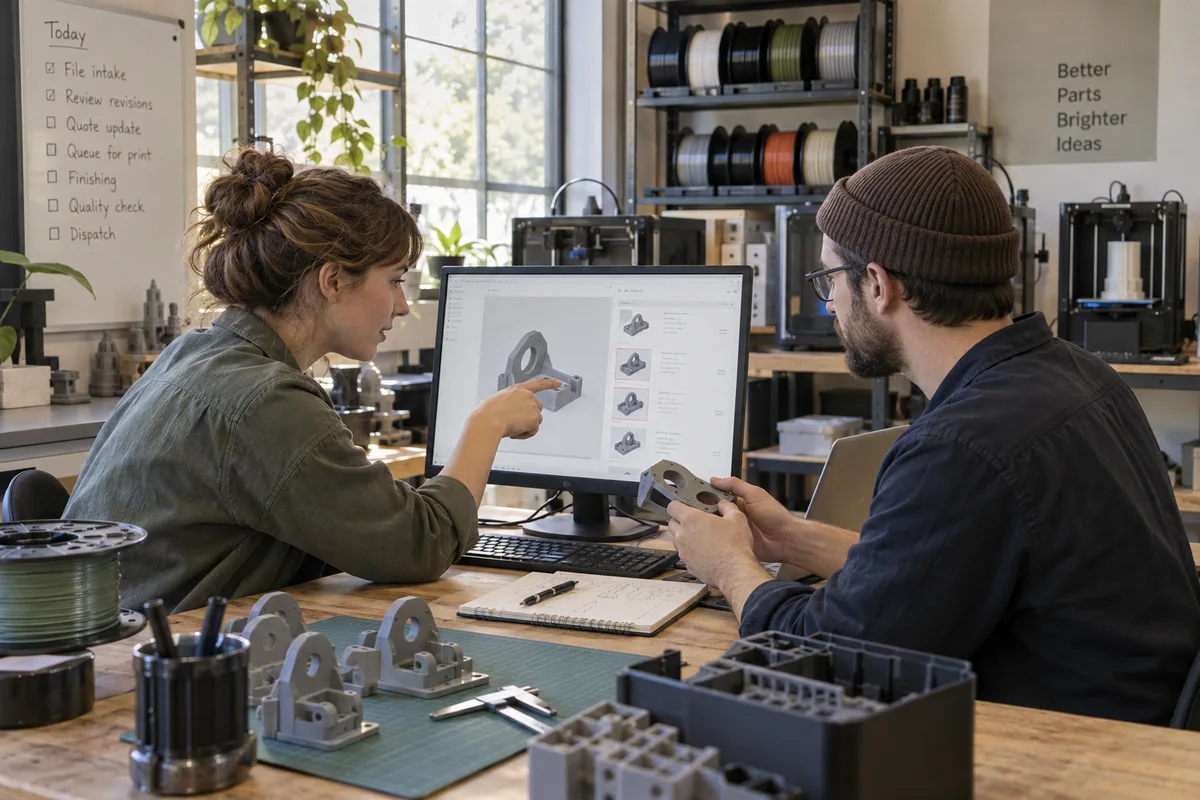
What buyer persona means
A buyer persona is a plain description of the kind of customer who actually buys from you. It includes what they search, what worries them and who else they ask before deciding. GullySales builds this from real enquiries and past sales rather than a generic template, then uses it to write every page and advert.
Also for product and industrial design studios
- Digital marketing for product and industrial design studios
- Lead generation for product and industrial design studios
- SEO for product and industrial design studios
- Social media marketing for product and industrial design studios
- Content marketing for product and industrial design studios
- CRM for product and industrial design studios
- Follow-up systems for product and industrial design studios
- WhatsApp marketing for product and industrial design studios
Sales and marketing for product and industrial design studios, the overview.
Last updated 14 Nov 2026.
For product and industrial design studios
Where it usually goes wrong, and what we would do.
“The MSME owner wants a product that sells and can be made”
In a family business, the owner worries about tooling cost and whether the shop floor can make the part. Speak in materials and processes, not style. Talk about wall thickness, tooling cost and what the shop floor can make, and the owner listens at once.
“The hardware founder is short of money and time”
A seed-funded founder wants speed and a low first cost. They respond to a clearly staged offer with a paid concept round. Offer a paid concept round at a clear fee, and explain what the founder holds at the end of it.
“The D2C brand manager is moving from sourcing to making”
A person used to buying finished goods needs the development path explained step by step, including the factory they will meet. Walk through each stage, name the factory visits and tell the brand manager who talks to the toolmaker.
“The plant head or engineer checks the handover”
This person reads drawings and asks about tolerances and tooling support. A clean handover document wins their vote. Prepare the handover document with tolerances, materials and tooling notes, because this reader checks it line by line.
What we do
What we deliver for product and industrial design studios.
The work available for this need. We agree the deliverables and responsibilities for your engagement in writing.
Persona sheets for each buyer type
One page each covering role, worry, questions, decision makers and the proof that convinces them.
Result: Your designers know the buyer they are talking to.
Discovery questions per persona
The few questions to ask in a first call, in the order that reveals product, volume, budget stage and decision path.
Result: Every call collects the same essentials.
Proposal wording by persona
The same staged offer explained in the terms each buyer uses.
Result: Each reader sees a proposal written for them.
Approval map
Who in the buyer's firm proposes, who pays and who signs, so follow-up reaches the right people.
Result: You know whom to follow up with.
Check against signed projects
Past projects sorted by persona to show which buyer type brought the work you want more of.
Result: You see which buyer is the best fit.
Objection list per persona
The doubts each buyer raises, such as cost, tooling risk and fear of losing the idea, with an honest answer for each.
Result: Your team answers doubts the same careful way.
Channel match per persona
Where each buyer type looks for a studio: referral, LinkedIn, a trade event or search.
Result: Effort goes where each buyer actually looks.
How the result is measured
- Enquiry match to persona
- Conversion rate by persona
- Content aligned to persona
Recorded as a baseline before work starts, so every later report has an honest comparison.
Who is asking
The buyers who call a design studio and what each needs first.
- MSME owner in a manufacturing cluster
- Wants a product that sells and that the existing tool room can make. Needs to know the studio will not draw something the plant cannot cut.
- Hardware founder after a seed round
- Wants a concept stage that fits a tight budget and a plan for what follows. Needs a clear line between concept and development.
- D2C brand manager moving to own products
- Wants to know who manages the factory and the sample rounds. Used to sourcing, so needs the design and manufacturing steps explained.
- Plant head or engineer reviewing the drawings
- Checks tolerances, assembly and tooling. Needs to see the studio's handover pack before agreeing the design suits the plant.
- Finance partner or board member
- Reads the fee and the stage gates, not the renders. Needs a proposal that states what is delivered at each payment.
- Regulated product maker, such as a medical device firm
- Asks about the studio's experience with documentation and quality systems. Say what the studio supports, and that regulatory approval rests with the maker.
Who it is for
This is written for these product and industrial design studios.
- MSME manufacturers in clusters such as Rajkot, Coimbatore, Ludhiana and Pune
- Hardware and electronics startups after a seed round
- D2C brands moving from sourced goods to their own designed products
- Consumer appliance and kitchenware makers
- Medical device and diagnostic equipment makers
- Furniture and lighting manufacturers
- Auto component and two-wheeler accessory makers
- Packaging firms wanting structural design
Before you decide
When this may not be the right fit.
- Your last few clients came by referral and you hold no proposals or call notes, so the picture would be built from memory.
- You are still deciding which products and buyers you will accept, and a persona written now would be rewritten.
Before you decide
Agree the work. Know how to judge it.
Buyer personas for product and industrial design studios: use these checks to prepare, choose the scope, and review what changes.
Bring the right evidence
Write the decision the research must support, such as entering a market or choosing a buyer group. Separate what you know from sales records from what the team currently assumes.
Make the scope clear
Agree which buyers to speak to, which sources to review, and what access you can provide. Include lost enquiries and people who chose another supplier, where they are willing to take part.
Check the work in use
Look for source dates, sample limitations, and evidence that disagrees with the preferred answer. A recommendation should show how it follows from the findings.
Know when to change course
Do not treat a few positive conversations as proof of demand. Test the proposed offer with an actual buying decision before committing to a wider launch.
These are discussion points, not a fixed package. GullySales confirms the deliverables, responsibilities, fee, and term in writing after reading your brief and speaking with you.
Before we start
What to have ready before the work starts.
The records, access and decisions this work needs from product and industrial design studios. Anything missing is noted in the written scope, with who will supply it.
- A dozen proposals with outcomes marked
- Wins and losses both teach. Bring proposals with the result and the date, with client names covered when shared. Without them, the personas rest on the partner's memory of the loudest projects. Add the stage at which each proposal ended, so the personas show where buyers drop away.
- Introductions to two past clients
- A persona built without talking to buyers is a guess. Bring two clients who would speak for a short while, and make the first introduction. If none will, the personas are written from proposals alone and marked untested. Tell us what you will say to the client when asking, so the request sounds like a favour and not a survey.
- Notes on who attended each first meeting
- The roles in the room show who decides. Bring any notes of who came from the client side. If nothing was written, the partner recalls the last ten meetings with us. Include the titles of the people, such as plant head or finance partner, even if the names are gone.
- Your view of the buyer you do not want
- Say plainly which buyers the studio would turn down and why. The personas then include the signs of a poor fit. Without it, a persona set can attract the same unwelcome enquiries. Describe the last enquiry you were sorry to take, as the example makes the signs of poor fit concrete.
How it works
How the buyer persona work runs
The work itself, in order. How an engagement starts, from your brief to a written scope, is set out on our method page.
- 1
Pick the decisions the personas will serve
We begin by listing who decides in your studio's wins and losses: the owner of a manufacturing business, a hardware founder, a brand manager at a consumer firm and the plant head who checks the handover. You choose the three that matter now, and others are held for later.
- 2
Read the proposals that won and lost
We go through a dozen proposals and the emails around them, with client names covered, to see who asked what and where talks stopped. The notes show who else joined the decision. You tell us which losses you understand and which puzzled you. We also note the stage at which each proposal stalled, because the same buyer type stalls in the same place.
- 3
Interview two past clients and one lost prospect
With your introduction, we speak to two clients about what made them choose and how the handover went, and to one prospect who chose someone else. Questions are about the buyer's worries and the people in the room, and the notes carry no names.
- 4
Write a page for each buyer
Each persona names who the person is, what they worry about, who else must agree, what they ask first and what they distrust. We read the pages with the partner and the designers. A portrait stays only when the people who meet these buyers recognise it. Each page also lists the proof that buyer checks first, such as a past project in their material or the name of a toolmaker.
- 5
Turn the portraits into wording and questions
From each persona we list the first-call questions, the proposal wording that suits them and the objections to expect. You approve the lists before any proposal or page changes. A later count shows whether the new wording reached the right reader. Objections are written as the buyer would say them, such as a worry that a design will not be moulded at their tool room.
Where this fits
Three pieces of sales work, in this order.
This work sits inside sales process design, at stage 0, foundation. The audit comes before it, and sales management keeps it running.
Step 1
Sales audit
Find where deals are being lost and what to fix first.
Start here if you cannot say where orders are lost.
Step 2 · you are here
Sales process design
One written way to sell, from first enquiry to repeat order.
Start here if every salesperson sells differently.
Step 3
Sales management
A target, a review routine and someone who owns the number.
Start here if the team has targets and no routine.
FAQ
Questions owners ask before they call.
Not here? More answers, or ask on WhatsApp.
Where does the information come from?
Can we serve startups and manufacturers together?
How frequently are personas revised?
Do we write one persona per product type?
Can one persona cover both startups and manufacturers?
Do we write one persona for every product type?
How much does it cost?
How long is the contract?
How soon will we see results?
Who will actually do the work?
More for product and industrial design studios
Related work to consider.
Closest to this: strategy and research
Also for product and industrial design studios
- Lead generation for product and industrial design studios
- SEO for product and industrial design studios
- Social media marketing for product and industrial design studios
- Content marketing for product and industrial design studios
- CRM for product and industrial design studios
- Follow-up systems for product and industrial design studios
Or start from the overview: sales and marketing for product and industrial design studios.
Your next practical step
Tell us what you are trying to grow, and we will read it before we call.
Eight short steps, mostly taps. Skip anything you would rather answer on the call.