Product and industrial design studios · Digital marketing
Join search, LinkedIn and outreach into one plan that brings paid projects.
Digital marketing for a product design studio combines a clear website, search, LinkedIn and direct outreach into one plan. GullySales picks the channels that reach manufacturers and founders, and records which of them produced a paid first stage.
Scope, fee, reporting and term are agreed in writing after we have read your brief and spoken to you.
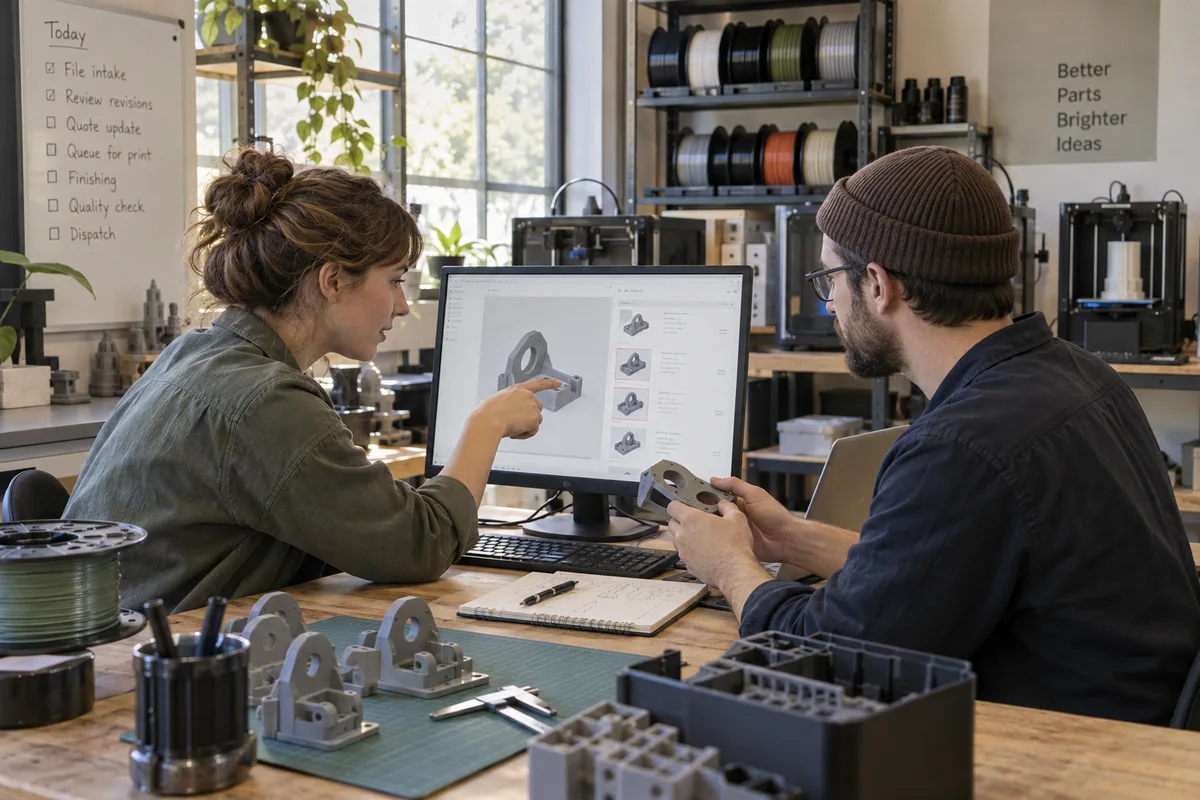
What digital marketing means
Digital marketing is the combined work of search, social media, advertising and website channels running together rather than as separate projects with separate people. GullySales runs these as one connected system so a change in one channel, such as a new offer, is reflected everywhere at once.
Also for product and industrial design studios
- Buyer personas for product and industrial design studios
- Lead generation for product and industrial design studios
- SEO for product and industrial design studios
- Social media marketing for product and industrial design studios
- Content marketing for product and industrial design studios
- CRM for product and industrial design studios
- Follow-up systems for product and industrial design studios
- WhatsApp marketing for product and industrial design studios
Sales and marketing for product and industrial design studios, the overview.
Last updated 14 Nov 2026.
For product and industrial design studios
Where it usually goes wrong, and what we would do.
“Studios spread effort across too many platforms”
Behance, Instagram, LinkedIn and a blog each take time. Without a plan, none of them gets enough care to bring a buyer. Choose two channels that reach manufacturers and founders, give each an owner, and drop the rest for now.
“The buyer decides slowly and in steps”
A founder reads a page, looks at LinkedIn, asks a peer and then calls. Each channel must support the next. Make the website explain, LinkedIn show and outreach follow up, so each step supports the next.
“Paid ads suit narrow, specific searches”
Design for injection moulding or medical device product design has buyers with a need. Broad design ads reach students. Aim advertising at a defined need with a page of its own, and keep broad design advertising off.
“Measurement stops at likes”
Appreciation does not pay. Track enquiries, proposals sent and paid stages by channel. Record enquiries, proposals and paid stages by source, and set likes to one side. Pair each count with the product and the stage reached, so the numbers describe real work.
What we do
What we deliver for product and industrial design studios.
The work available for this need. We agree the deliverables and responsibilities for your engagement in writing.
Channel plan for your buyers
Which channels reach manufacturers, which reach founders, who runs each and what a paid stage from each is worth.
Result: You know where effort goes and why.
Website and search base
Product, process and project pages in place before any paid campaign.
Result: Paid traffic reaches pages that explain your work.
LinkedIn and outreach routine
Posts and direct approaches to plant heads and founders, planned around your projects.
Result: You reach buyers rather than other designers.
One narrow paid campaign
A single advertisement for a defined need, with a matching page and a clear enquiry route.
Result: Ad spend ties to one product type.
Enquiry sheet across channels
Each enquiry entered with its source, product and stage reached.
Result: You can count paid stages by channel.
Landing page per campaign
One page for each outreach or advertising effort, repeating its message and offering a meeting or a form for that need alone.
Result: Every click arrives on a page that matches the message.
How the result is measured
- Enquiries across channels
- Cost per enquiry overall
- Channel mix by contribution
Recorded as a baseline before work starts, so every later report has an honest comparison.
Searches your buyers type
The searches and routes that bring a paid design project.
- industrial design company for manufacturing
- A services page and a search ad for plant owners, naming the processes the studio designs for and the first stage a buyer pays for.
- product design for startups india
- A founder page reached by search and LinkedIn, setting out concept, prototype and handover with a clear line on what each stage leaves for later.
- design for manufacture review of existing product
- A narrow service page for manufacturers who have a product that is costly to make. A small paid campaign suits this exact need.
- packaging structural design agency
- A separate page for packaging firms, reached by outreach to packaging owners, with sample structural work the studio can show.
- furniture and lighting product design studio
- A portfolio page by product family with the process and the production partner stated for each piece the studio may show.
- medical device industrial design support
- A page that says what the studio supports in form and usability, and that approvals and regulations rest with the maker and a regulatory adviser.
Who it is for
This is written for these product and industrial design studios.
- MSME manufacturers in clusters such as Rajkot, Coimbatore, Ludhiana and Pune
- Hardware and electronics startups after a seed round
- D2C brands moving from sourced goods to their own designed products
- Consumer appliance and kitchenware makers
- Medical device and diagnostic equipment makers
- Furniture and lighting manufacturers
- Auto component and two-wheeler accessory makers
- Packaging firms wanting structural design
Before you decide
When this may not be the right fit.
- The studio cannot take new projects in the near term and paid clicks would bring enquiries you have to decline.
- You have no case pages or process pages yet, so any visitor from an ad would arrive at a site that cannot answer their questions.
Before you decide
Agree the work. Know how to judge it.
Digital marketing for product and industrial design studios: use these checks to prepare, choose the scope, and review what changes.
Bring the right evidence
Bring a recent won order and an enquiry that went nowhere. Trace how each buyer found you, what they asked, and who handled the next step. A channel list alone will not explain the difference.
Make the scope clear
Choose one offer and one buyer group first. Agree which part needs attention: being found, getting a useful enquiry, or turning an enquiry into an order. Separate recommendations from the work required to carry them out.
Check the work in use
A useful plan names the first change, its owner, the evidence behind it, and the number that will show whether it worked. Ask what has deliberately been left out and why.
Know when to change course
If your team cannot answer the enquiries it already receives, improve that handover before buying more traffic. If the offer itself is unclear, test it with buyers before adding channels.
These are discussion points, not a fixed package. GullySales confirms the deliverables, responsibilities, fee, and term in writing after reading your brief and speaking with you.
Before we start
What to have ready before the work starts.
The records, access and decisions this work needs from product and industrial design studios. Anything missing is noted in the written scope, with who will supply it.
- A statement of project capacity
- Bring the number of new projects the studio can start and the designers free for them. Without it, the plan cannot be sized, and a good channel could bring more than the team can handle. Add the designers and the months in which they are free.
- Logins to the site, search tools and profiles
- Owner access to the website, search tools and LinkedIn page is needed. Accounts held by a former vendor are recovered first. Without access, we can advise but cannot correct.
- A budget decision for one narrow campaign
- Paid advertising suits a specific search or audience. Decide whether to spend at all, and who approves it. If the answer is no, the plan relies on pages, outreach and referrals. Bring a ceiling for the first test, and the person who may raise it.
- The sheet where enquiries are recorded
- A spreadsheet or tool will do if every enquiry has a source, a date and an outcome. If nothing is recorded, the first stage of the plan is a log started on day one. Add a column for the stage the enquiry reached, so a quote is not mistaken for a signed stage.
- Notes from earlier agencies and campaigns
- Bring reports, invoices and logins from past work, even if it failed. They show what was tried, so we do not repeat it or credit a channel wrongly.
How it works
How the digital marketing work runs
The work itself, in order. How an engagement starts, from your brief to a written scope, is set out on our method page.
- 1
Name the paid first stage you want more of
We begin with the single thing you want to sell more of, such as a paid concept stage for a moulded product, and the buyers who would buy it. You say how many such projects the studio can take on. That one decision shapes every channel that follows. The partners also say which product types they would refuse, so the plan does not attract them.
- 2
Check what the website and search already do
We read the site as a buyer would, then the search report and the pages that bring visitors. Weak pages are listed. Before adding channels, you decide whether the site needs repair, because a campaign pointed at a thin page wastes its effort. Pages that bury the studio's best project beneath a long gallery are listed first for repair.
- 3
Pick channels for manufacturers and founders
From search, LinkedIn, direct outreach to plant owners and a narrow paid campaign, we choose those that reach your buyers and say why each is in or out. A channel with no owner at the studio is left out, and you approve the order before any channel starts.
- 4
Build a landing page for each campaign
Every campaign leads to a page written for it, not the home page: one product type, one stage and one way to start. The lead designer checks every technical line. You approve the page before a rupee is spent anywhere. The page names the stage on offer, the materials the studio works in and one way to start, such as a call or a short brief form.
- 5
Start one channel at a time and log enquiries
We switch on the first channel, test the enquiry route and record each enquiry with its source on a single sheet. A second channel starts when the first is recorded properly. This way a change in enquiries has a traceable cause. Each enquiry is asked how it arrived, and the answer is typed while the call is fresh.
- 6
Read the sheet against paid first stages
At the end we set enquiries, meetings and signed first stages by channel beside the figures from the start. You see which channel brought a buyer who paid and which brought likes. The plan changes where the sheet shows weakness, and no result is promised. Outreach to plant owners is read in the same table, with the names of owners contacted and replies received.
Where this fits
Three pieces of sales work, in this order.
This work sits inside sales process design, at stage 0, foundation. The audit comes before it, and sales management keeps it running.
Step 1
Sales audit
Find where deals are being lost and what to fix first.
Start here if you cannot say where orders are lost.
Step 2 · you are here
Sales process design
One written way to sell, from first enquiry to repeat order.
Start here if every salesperson sells differently.
Step 3
Sales management
A target, a review routine and someone who owns the number.
Start here if the team has targets and no routine.
FAQ
Questions owners ask before they call.
Not here? More answers, or ask on WhatsApp.
What should we do first?
Do we need paid advertising?
How do you report?
Is outreach to plant owners better than ads?
Is outreach to plant owners better than advertising?
How will you report results to the partners?
How much does it cost?
How long is the contract?
Who will actually do the work?
What do you need from us?
More for product and industrial design studios
Related work to consider.
Closest to this: strategy and research
Also for product and industrial design studios
- Lead generation for product and industrial design studios
- SEO for product and industrial design studios
- Social media marketing for product and industrial design studios
- Content marketing for product and industrial design studios
- CRM for product and industrial design studios
- Follow-up systems for product and industrial design studios
Or start from the overview: sales and marketing for product and industrial design studios.
Your next practical step
Tell us what you are trying to grow, and we will read it before we call.
Eight short steps, mostly taps. Skip anything you would rather answer on the call.