Clothing stores and boutiques · Pay per click advertising
Spend the ad budget in the six weeks before the wedding season, not all year.
Pay-per-click (PPC) advertising for a boutique buys attention in the short weeks when a family is shopping for a wedding or a festival. GullySales runs search and Instagram ads on the garments and occasions that carry a margin, and stops them when the season passes.
Scope, fee, reporting and term are agreed in writing after we have read your brief and spoken to you.
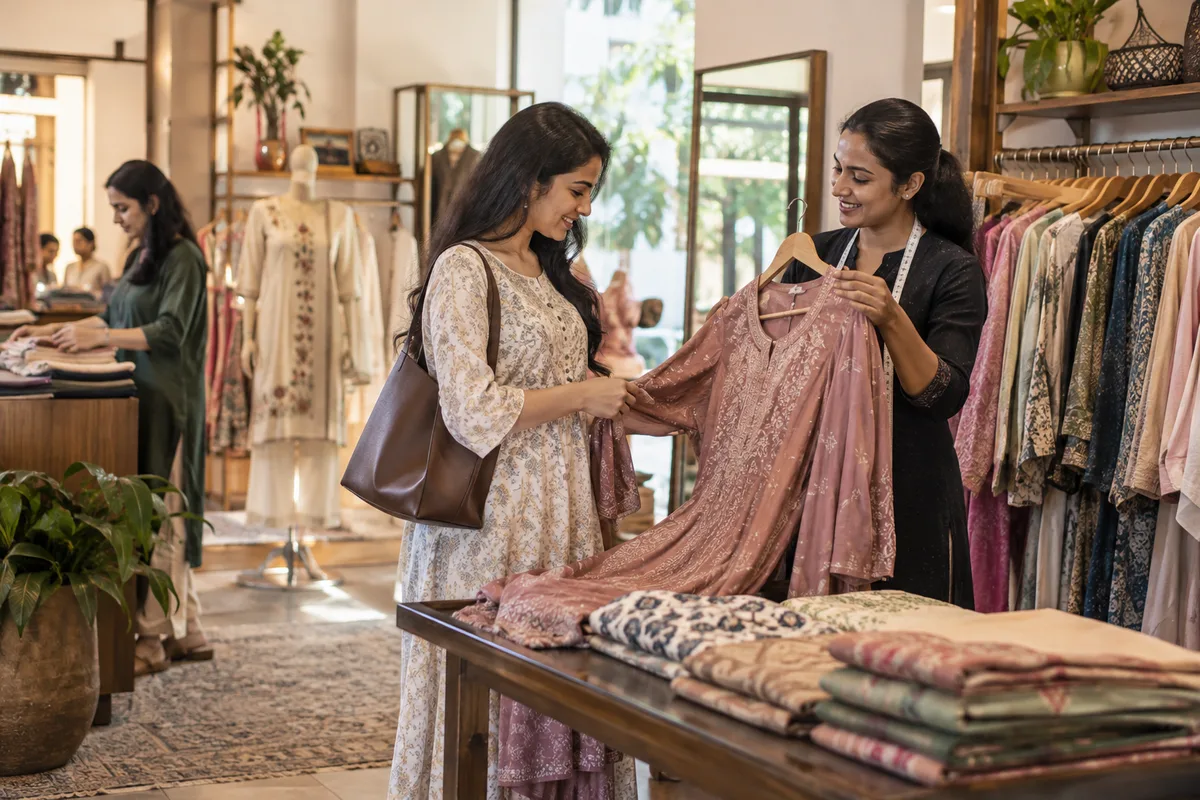
What pay per click advertising means
Pay per click advertising (PPC) is paying a fee each time someone clicks your advert on Google or another platform. It puts you at the top of a search page immediately, instead of waiting for ranking to build. GullySales sets the targeting, writes the ad text and checks spend against enquiries received.
Also for clothing stores and boutiques
- SEO for clothing stores and boutiques
- Lead generation for clothing stores and boutiques
- Digital marketing for clothing stores and boutiques
- Reputation management for clothing stores and boutiques
- Local SEO for clothing stores and boutiques
- Branding and identity for clothing stores and boutiques
- Social media marketing for clothing stores and boutiques
- Content marketing for clothing stores and boutiques
Sales and marketing for clothing stores and boutiques, the overview.
Last updated 5 Oct 2026.
For clothing stores and boutiques
Where it usually goes wrong, and what we would do.
“Everyday wear is the wrong thing to bid on”
Marketplaces will pay more for a kurta click than the margin on one is worth, so the budget belongs on bridal, stitching and festival collections.
“The radius is smaller than you think”
A shopper will drive across the city for a bridal trial and not for an alteration, so the two campaigns need different service areas.
“The ad should open on the collection, not the home page”
An advertisement for lehengas that lands on a page of shop photographs loses the click, because she came to see this season's pieces.
What we do
What we deliver for clothing stores and boutiques.
Every deliverable, what it covers for you, and the result it is there to produce. Nothing here is an extra.
Search ads for stitching and occasion wear
Campaigns built on searches such as blouse stitching, bridal lehenga and saree shop, with the everyday-wear searches deliberately left out.
Result: Clicks come from shoppers with an occasion and a date.
Instagram and Facebook ads by collection
Reels and carousels of one specific collection shown to women in your delivery area, with a WhatsApp click as the action rather than a form.
Result: An interested shopper starts a conversation instead of filling a form.
Season-shaped budgets
Spend lifted in the weeks before your region's wedding dates and main festival, and cut back in the months families are not buying.
Result: The budget goes where the buying is.
Landing pages for the advertised collection
A page showing the collection in the advertisement, with price ranges, sizes and stitching timelines visible without a phone call.
Result: A shopper who clicks sees what she was promised.
Enquiry tracking from click to fitting
Every ad enquiry logged with the occasion and the event date, then followed through to a fitting slot and an order.
Result: You know the cost of an order, not the cost of a click.
How the result is measured
- Cost per click
- Cost per enquiry
- Enquiries from paid search
Recorded as a baseline before work starts, so every later report has an honest comparison.
Searches to bid on and block
The searches worth paying for at a clothing store, and the ones to keep out.
- Occasion wear and stitching, such as bridal blouse stitching near me
- Bid in the weeks before the wedding season. The searcher has a date and needs a fitting, so say how many fittings you offer and when the order must be placed.
- Fabric and style names, such as Kanjivaram or Banarasi saree
- Bid on the fabrics you really stock, and link to a page showing them. A buyer who types a fabric name has seen the product elsewhere and wants to see yours.
- Wholesale, manufacturer, cheap, COD and marketplace names
- Block. Add wholesale, manufacturer, cheap, COD, Meesho and Myntra as negatives. You want buyers who will come in for a fitting, not people price-checking online.
- Tailoring course, fashion design classes and job searches
- Block. Add tailoring course, classes, designing course, pattern, vacancy and franchise as negatives. Students and tailors click on the same words as a bride.
- Where the click lands
- Send the click to the page for that collection or garment, with photographs and a WhatsApp button that opens a message naming it, plus the map and timings for a visit.
- Counting a real enquiry
- Count a message or call that names an outfit and an event date. Then mark fitting booked and order placed in your order book, and read each advert against orders.
Who it is for
This is written for these clothing stores and boutiques.
- Women's ethnic wear and saree boutiques
- Designer and occasion wear studios
- Multi-brand clothing and accessories stores
- Men's wear and ethnic wear stores
- Custom tailoring and blouse stitching studios
- Kids' wear stores
- School uniform retailers and suppliers
- Corporate, hospital and hospitality uniform suppliers
- Fashion accessories and jewellery boutiques
How it works
From your first message to the first report.
No open-ended retainer. Every step gives you something in writing.
First
Your brief
You tell us what you need in a few short steps: your business, what you want, where enquiries come from and how they are handled.
After the brief
A conversation and a written scope
We read it, then talk with whoever handles your enquiries. If you want our help, the scope, the fee and the reporting come in writing, and nothing starts before you have read them.
Before work starts
Baseline recorded
The numbers this work is meant to move, such as enquiries, quotations, orders, visits or renewals, written down so every later report has an honest comparison.
After the baseline
The first fix goes live
The fix we agreed to start with is put in place and measured against the baseline, whether that is a reply, a follow-up, a page, a listing or the handover between marketing and sales.
As agreed
Report against the baseline
What moved, what did not, and what changes next, in plain words. How often you get it is set in writing before work starts.
At renewal
Renew on the numbers
The term ends and you decide whether to continue from the results. The length is agreed in writing before anything starts.
How the pay per click advertising work runs
- 1
Understand the total budget
We agree the full paid advertising budget available across all platforms, rather than planning each one separately.
- 2
Audit current platform performance
We compare existing campaigns on a shared basis to see where the budget currently performs best and worst.
- 3
Build the cross-platform plan
Campaigns are structured across platforms with a shared measurement standard from the outset.
- 4
Implement and monitor
Campaigns run with budget allocated dynamically based on real-time performance.
- 5
Measure and reallocate
We report performance and shift budget toward what is working, within agreed limits.
Why us
Why owners pick GullySales over an agency.
Marketing and sales, as one job
Most agencies stop at the enquiry. We also fix what happens after it: the reply, the follow-up, the quote and the CRM.
The person on the first call does the work
No account managers in between. You are never handed to someone you have not met.
A baseline before anything starts
Your numbers are written down on day one, so every later report compares against something honest.
The fee in writing, split three ways
Our time, your media spend and production on separate lines. You always see what goes to us.
No guarantees we cannot keep
The term is agreed in writing and never a default twelve months. We never promise a ranking or a lead count, because nobody controls those.
One office, and we say so
Nagarbhavi, Bengaluru. We work across India by call and WhatsApp and travel when a session needs to be in person.
#257, 3rd floor, Sri Nanjundeshwara Complex, Nagarbhavi 8th Block, Outer Ring Road. How we work.
Your brief
Tell us what you need, and we will read it before we call.
Eight short steps about your business, what you want and who decides. Most questions are a tap, and you can skip any you would rather answer on the call.
FAQ
Questions owners ask before they call.
Not here? More answers, or ask on WhatsApp.
What should we spend on ads?
Do ads work for a shop with one outlet?
Should a boutique bid on its own name?
Should a boutique use Google Ads or Instagram ads first?
How much does it cost?
How long is the contract?
How soon will we see results?
Who will actually do the work?
What do you need from us?
What if we are not happy with the work?
From the blog
Further reading for clothing stores and boutiques.
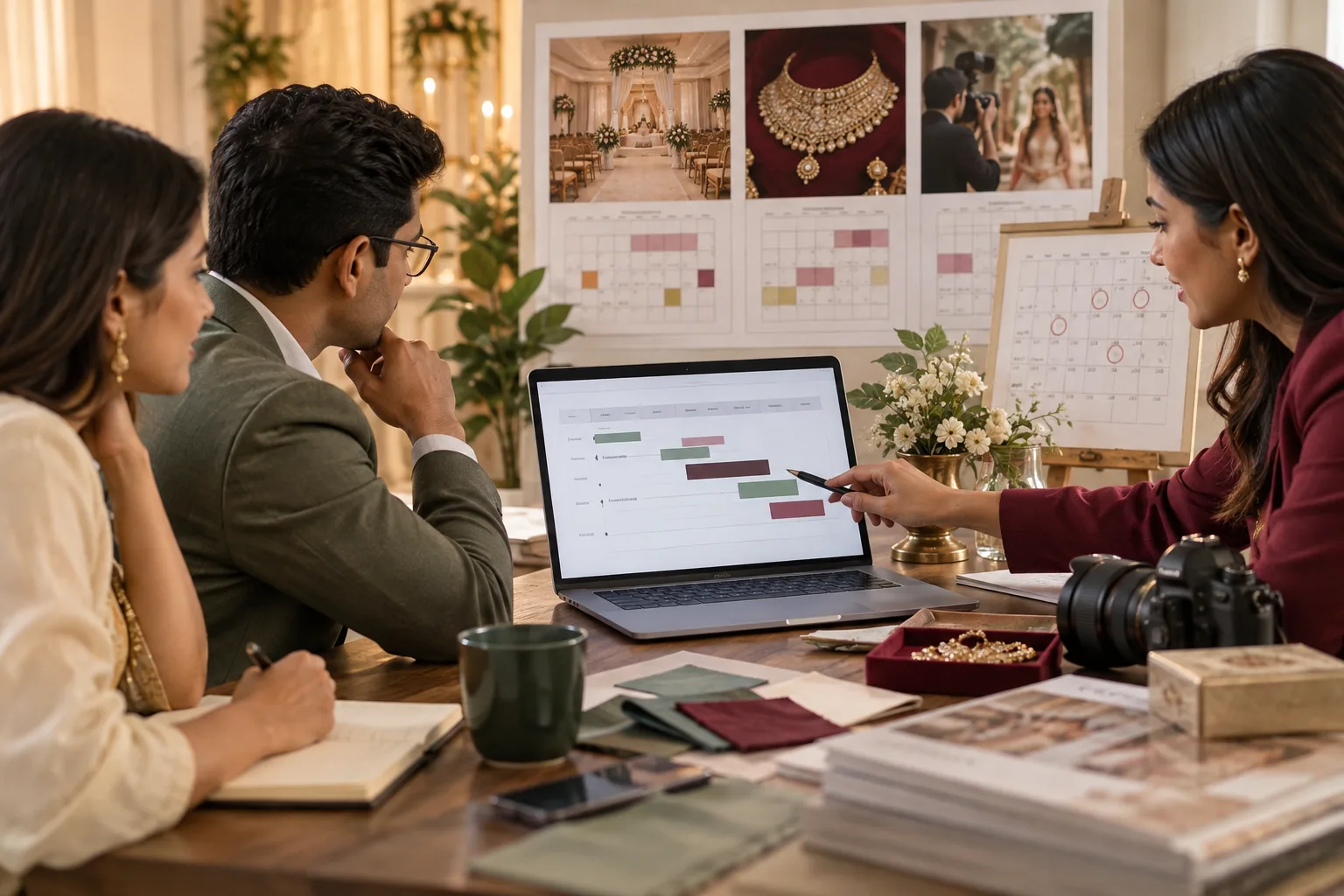 5 min read · 29 Sept 2026Festival and wedding-season stock and promotion timing for retailersHow a retailer lines up the promotion window with the stock cycle in festival and wedding season: what to announce before, during and after, and when to stop advertising a line.
 6 min read · 21 Sept 2026Influencer marketing vs social media advertising: which one should you pay for?An ad is a message you control, shown to people you choose. A creator post is a recommendation you do not control, shown to people who chose the creator.
 8 min read · 21 Sept 2026How to write an influencer briefA brief fixes the claim, the offer and the disclosure, and then leaves the creator alone. Hand them a script and you have paid a premium for a bad advertisement.
More for clothing stores and boutiques
Everything else we would do for you.
Or start from the overview: sales and marketing for clothing stores and boutiques.
Your next practical step
Tell us what you are trying to grow, and we will read it before we call.
Eight short steps, mostly taps. Skip anything you would rather answer on the call.