Clothing stores and boutiques · E-commerce product image and mockup design
Show the fit, the fabric and the colour before the shopper has to ask.
Product image and mockup design for a clothing store is the making of the pictures a shop shows for each garment: the main image, the drape, the fabric close-up, the size view and the colour options. GullySales designs the image set from your photographs and hands over finished files with a sheet that says which image goes where.
Scope, fee, reporting and term are agreed in writing after we have read your brief and spoken to you.
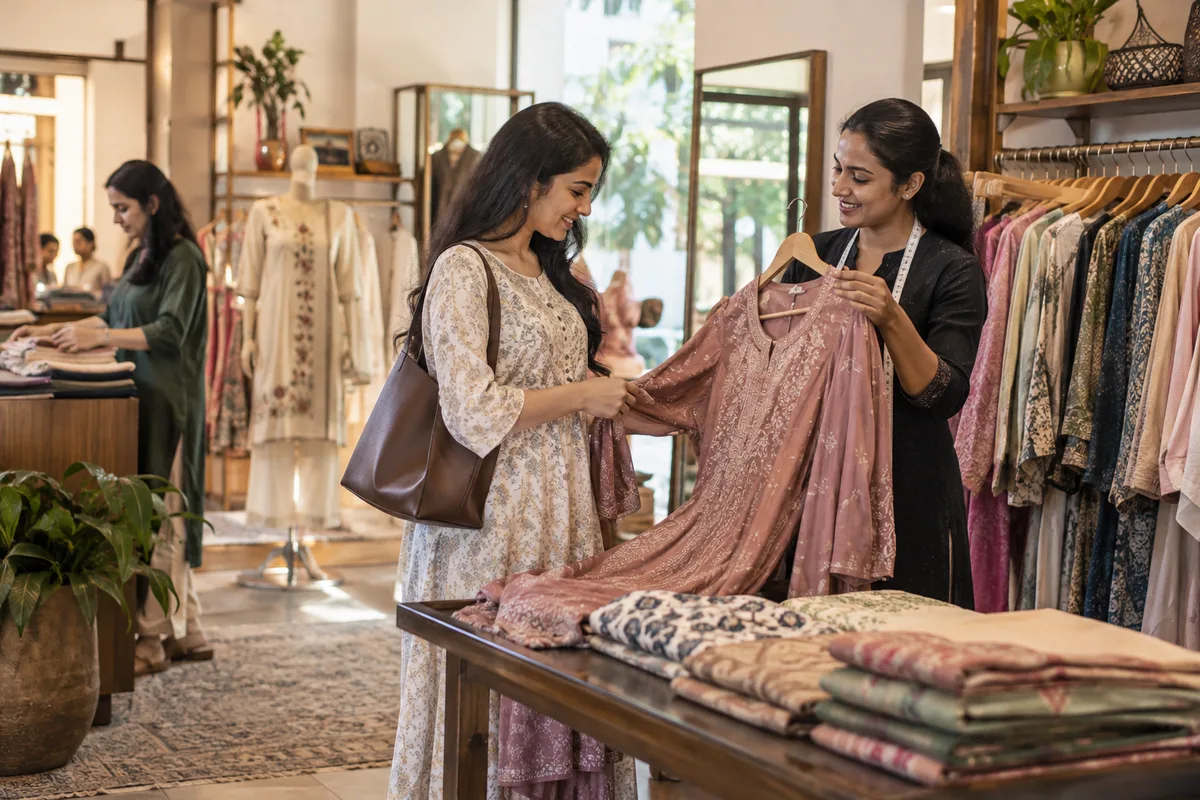
What E-commerce product image and mockup design means
E-commerce product image and mockup design is the making of the pictures a shop shows for each item: the main image, angle views, close-ups, size and feature images, and mockups that place artwork on a product before it exists. GullySales designs the image set from your photographs and artwork and hands over finished files with a specification sheet.
Also for clothing stores and boutiques
- Branding and identity for clothing stores and boutiques
- Brand colour palette and typography system design for clothing boutiques and retailers
- SEO for clothing stores and boutiques
- PPC ads for clothing stores and boutiques
- Lead generation for clothing stores and boutiques
- Digital marketing for clothing stores and boutiques
- Reputation management for clothing stores and boutiques
- Local SEO for clothing stores and boutiques
Sales and marketing for clothing stores and boutiques, the overview.
Last updated 14 Nov 2026.
For clothing stores and boutiques
Where it usually goes wrong, and what we would do.
“A shopper cannot touch the fabric”
In a boutique the shopper lifts the saree, feels the weight of the silk and holds the colour against the face. On a screen none of that is possible. The image set has to stand in for the hands: a close-up of the weave, a view showing how the cloth falls and one frame in daylight. When those are missing, the shopper messages the shop to ask or goes elsewhere.
“Size is the first reason for a return”
A photograph of a garment on a model of unknown size says little about the shopper's own fit. Clothing needs a size image: the measurement points, the length, the model's size and the size worn. Without it, shoppers order two sizes to try, or ask by message, or give up. A clear size image answers the question before it is typed.
“Every colour cannot be photographed”
A kurta set may come in six colours and the boutique photographed two. A uniform can be offered in the school's colours, which exist only as a cloth swatch. Showing the other colours by guesswork invites complaints. Mockups, built from the real garment and a measured colour reference, can fill the gap while saying clearly which images are digital.
“A mixed set of photographs makes the shop look unsure”
Outfits photographed on different days, in different rooms and by different people sit side by side on a collection page. The garment colours look inconsistent and the shop looks like several small sellers. A set of image rules for background, crop, light and order makes the range look like one considered shop.
What we do
What we deliver for clothing stores and boutiques.
The work available for this need. We agree the deliverables and responsibilities for your engagement in writing.
Main image and angle views
For each garment the main image is chosen and framed, then the front, back, side and a detail view are prepared to one crop and one background. The order of the images follows the questions a buyer asks, beginning with the full garment and moving to the closer views the shopper wants next.
Result: You can scroll a product page and see the same framing and order on every garment.
Fabric and embroidery close-ups
Close-up images show the weave, the border, the embroidery, the buttons and the lining, at a size that stays sharp on a phone. Where a close-up is taken from your photograph, it is cropped and lightly corrected, never invented. A caption placement is left clear for a short label.
Result: A shopper can see the thread work and the border at phone size.
Size and measurement images
A size image shows the garment with its measurement points, the sizes offered and the size worn by the model, in your shop's own method. A second image shows how to measure at home for made-to-measure orders. Both are made as editable files, so a new size or fit does not mean a redraw.
Result: A shopper can find the measurement points and sizes on one image.
Colour option and mockup set
Colour variants not photographed are built as mockups from the real garment and a colour reference, with each marked so your team knows which image is digital. Uniform items can show a school's colour and the position of the logo, so the buyer sees the finished garment before an order sample is cut.
Result: Each colour option has an image, and every mockup is marked as digital.
Occasion and styling images
A styled image places the garment with a matching blouse, dupatta, bag or jewellery, to show the whole occasion outfit. Only items you sell, or clearly label as not included, appear in the frame. This saves the shopper from assuming the set includes more than the price covers.
Result: Every item shown in a styling image is either on sale or labelled as not included.
Image specification sheet
You receive the finished files named and sized for your shop's current image specification, the editable sources and a sheet listing the order of images, the file names and the rules for later garments. Your team can add a new outfit and match the set by following the sheet.
Result: A new garment can be matched to the set from the sheet alone.
How the result is measured
- Questions to support about size, colour or fit
- Product page views that end in an add to basket
- Returns where the reason given is that the item looked different
Recorded as a baseline before work starts, so every later report has an honest comparison.
Who it is for
This is written for these clothing stores and boutiques.
- Women's ethnic wear and saree boutiques
- Designer and occasion wear studios
- Multi-brand clothing and accessories stores
- Men's wear and ethnic wear stores
- Custom tailoring and blouse stitching studios
- Kids' wear stores
- School uniform retailers and suppliers
- Corporate, hospital and hospitality uniform suppliers
- Fashion accessories and jewellery boutiques
Before you decide
Agree the work. Know how to judge it.
E-commerce product image and mockup design for clothing stores and boutiques: use these checks to prepare, choose the scope, and review what changes.
Bring the right evidence
Choose a product group and follow its journey from the product page to delivery. Review cancelled orders and returns alongside completed purchases, with customer details removed.
Make the scope clear
Agree which catalogue items, payment steps, and sales channels are included. Account for fulfilment costs and returns when deciding what acquisition spend the order can support.
Check the work in use
Test a purchase on mobile, including the address, delivery charge, payment failure, and confirmation. For trade orders, test quotation requests and minimum-order information as well.
Know when to change course
If stock or delivery promises are unreliable, resolve those first. Increasing paid traffic to unavailable products wastes budget and creates avoidable complaints.
These are discussion points, not a fixed package. GullySales confirms the deliverables, responsibilities, fee, and term in writing after reading your brief and speaking with you.
Before we start
What to have ready before the work starts.
The records, access and decisions this work needs from clothing stores and boutiques. Anything missing is noted in the written scope, with who will supply it.
- Original garment photographs
- Send the original photographs from the camera or phone, not versions saved from a messaging app, which lose detail. The fabric close-ups depend on that detail. If the photographs are missing or poor, the set starts with a re-shoot list, and no amount of editing makes up for it.
- Size charts and the measuring method
- Tell us how the shop measures, which sizes are offered and what alterations are possible. The size image must match the fitting room, or the shop has two answers to one question. If the chart exists only as habit, we list the questions to settle before the image is drawn.
- Colour references and swatches
- For colour variants and uniforms, send a physical swatch, a colour reference or the supplier's shade name, and a photograph of the swatch in daylight. Without it, a mockup can only be approximate, and a buyer can be shown a shade the cloth does not match.
- The shop's image specification
- Share your store platform's current image requirements and the shapes your theme crops to. Platforms change them, so check the current guidance and send what you see. Without it, an image may be cut off on the collection page and the best view hidden.
- A list of styling items you sell
- List the blouses, dupattas, bags and jewellery you sell with each outfit. Styling images should show only what the shopper can buy or what is clearly marked as not included. Without the list, the image may promise a complete look that the price does not cover.
How it works
How the e-commerce product image and mockup design work runs
The work itself, in order. How an engagement starts, from your brief to a written scope, is set out on our method page.
- 1
Reading the garments and the questions
We start with a sample of your garments and the questions shoppers ask the shop about them: size, fabric, colour, length, transparency, care. These questions decide the image set, since each should be answered by a picture before it is typed. We also read your current product pages for gaps.
- 2
Recording the figures before any image is made
Before design begins we note your product page views, the size and colour questions that reach you, returns and exchanges, and the add-to-basket figures where your store reports them. Your store's own reports and your message record are the source. Later results are read against this record.
- 3
Setting the image rules for the range
We settle the background, the crop, the light direction, the number of images and their order, and write them down. A rule that is only in a designer's head fails when a new garment arrives. This stage uses a handful of garments, so you can approve the look before the whole range is processed.
- 4
Preparing images garment by garment
Each garment is processed to the rules: framed, colour checked against the physical cloth, cleaned of marks and given its size, detail and styling images. Garments that need a new photograph are listed with a reason. We do not hide a creased or poorly lit photograph under a filter.
- 5
Building the colour and uniform mockups
Where colours or school uniforms were not photographed, we build mockups from the real garment and a colour reference you supply, and mark each one. You review them against a physical swatch, because a mockup that misleads the buyer creates a complaint that no later image can undo.
- 6
Handover and reading the result
We deliver the files and the sheet, then read the product page figures and the size and colour questions against those recorded at the start. If a particular question persists, the image that should have answered it is the first thing we revise, and we say what the figures do not show.
Where this fits
Three pieces of sales work, in this order.
This work sits inside sales process design, at stage 1, prospecting and lead generation. The audit comes before it, and sales management keeps it running.
Step 1
Sales audit
Find where deals are being lost and what to fix first.
Start here if you cannot say where orders are lost.
Step 2 · you are here
Sales process design
One written way to sell, from first enquiry to repeat order.
Start here if every salesperson sells differently.
Step 3
Sales management
A target, a review routine and someone who owns the number.
Start here if the team has targets and no routine.
FAQ
Questions owners ask before they call.
Not here? More answers, or ask on WhatsApp.
Can you improve our existing garment photographs?
Are mockups allowed for garments we sell?
Do we need a model in every image?
How many images should each garment have?
Can you do the photography too?
Will better images reduce our returns?
How much does it cost?
How long is the contract?
How soon will we see results?
Who will actually do the work?
From the blog
Further reading for clothing stores and boutiques.
 5 min read · 29 Sept 2026Festival and wedding-season stock and promotion timing for retailersHow a retailer lines up promotion with the stock cycle in festival and wedding season: what to announce before, during and after, and when to stop.
 6 min read · 21 Sept 2026Influencer marketing vs social media advertising: which one should you pay for?An ad is a message you control, shown to people you choose. A creator post is a recommendation you do not control, shown to people who chose the creator.
 8 min read · 21 Sept 2026How to write an influencer briefA brief fixes the claim, the offer and the disclosure, then leaves the creator alone. Hand over a script and you pay for a bad advertisement.
More for clothing stores and boutiques
Related work to consider.
Closest to this: brand and design
Also for clothing stores and boutiques
Or start from the overview: sales and marketing for clothing stores and boutiques.
Your next practical step
Tell us what you are trying to grow, and we will read it before we call.
Eight short steps, mostly taps. Skip anything you would rather answer on the call.