Electronic components distributors · Social media
Post what an engineer saves and shares: stock notes, substitutes and datasheet tips.
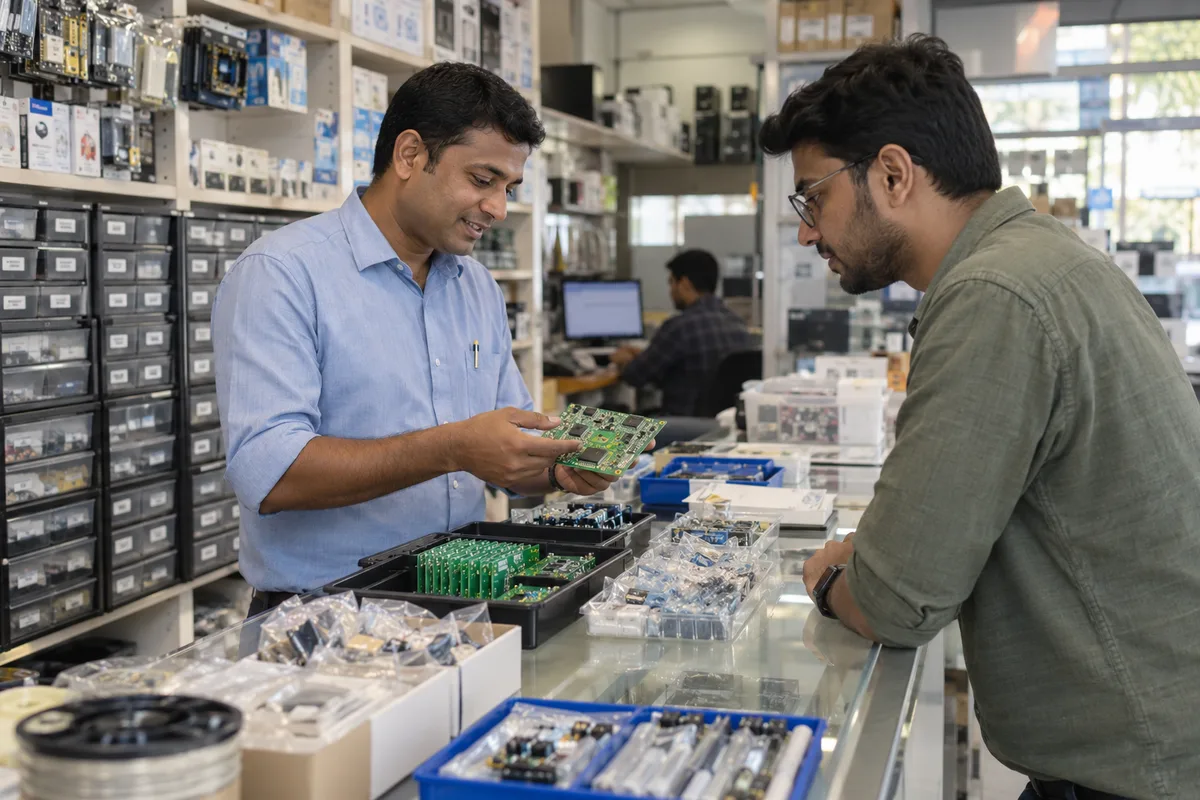
Social media marketing for a components distributor means showing up where engineers, hobbyists and purchase teams already talk shop, with posts a buyer would forward to a colleague. GullySales plans the posts around your actual stock and the questions your counter answers every day.
Scope, fee, reporting and term are agreed in writing after we have read your brief and spoken to you.
What social media means
Social media is the ongoing posting your business does on platforms such as Instagram, Facebook and LinkedIn to stay visible to customers and prospects between purchases. GullySales plans a posting calendar, writes captions and designs the images so the page looks active and answers what a visitor would ask.
Also for electronic components distributors
- Content marketing for electronic components distributors
- SEO for electronic components distributors
- Lead generation for electronic components distributors
- Email marketing for electronic components distributors
- CRM for electronic components distributors
- WhatsApp marketing for electronic components distributors
- Sales process for electronic components distributors
- Website development for electronic components distributors
Sales and marketing for electronic components distributors, the overview.
Last updated 6 Oct 2026.
For electronic components distributors
Where it usually goes wrong, and what we would do.
“Engineers follow people, not shop banners”
A post from a named person at the counter who explains a pin-compatible substitute gets saved. A banner announcing all components available gets scrolled past. The buyer trusts the person who knows the part.
“LinkedIn reaches the purchase desk, Instagram reaches the maker”
The purchaser at a manufacturing unit sits on LinkedIn. The student, startup founder and hobbyist watch short videos on Instagram and YouTube. One post written for both reaches neither, so each platform needs its own voice.
“A new stock arrival is the best post you have”
A fresh lot of a sought-after module or connector, shown on the shelf with the brand and the part family named, answers a question buyers were already asking in groups and forums.
“Groups and forums are replies, not broadcast”
Hobbyist and engineer communities punish a pasted price list. A helpful answer to a build problem, with your counter named once, brings in the buyers who remember who helped.
What we do
What we deliver for electronic components distributors.
Every deliverable, what it covers for you, and the result it is there to produce. Nothing here is an extra.
A post plan built from your counter's questions
A list of topics drawn from the part numbers, substitutes and fits your team is asked about, in the order your stock supports.
Result: Every post answers something a real buyer asked.
LinkedIn posts for purchase and design teams
Short posts on authorised lines, sourcing routes and the paperwork a quote carries, written in the name of a person at the company.
Result: The purchase desk sees a supplier who explains the source.
Short videos for makers and students
Brief clips showing a module, a pinout or a bench test using the stock you hold, filmed on the counter with no studio.
Result: Hobbyists meet your counter through something useful.
A rule for brand names and logos
A one-page note on how each brand's name may be used in posts, to be confirmed with each brand before use.
Result: Nobody posts a logo the brand has not allowed.
A log of enquiries that start on social
A column in your enquiry log for the platform and post that brought the person in.
Result: You can see which posts brought a request for quote.
How the result is measured
- Posts published
- Engagement rate
- Enquiries from social profiles
Recorded as a baseline before work starts, so every later report has an honest comparison.
Posts and pieces to plan
Post the things an engineer saves and sends to a colleague.
- New stock arrival
- A photograph of the reel or tray with the part number and the brand named, posted only once the stock is on the shelf.
- Substitute for a discontinued part
- A short note naming the old part, the replacement and the points to check, backed by the datasheets of both.
- Datasheet tip
- One practical line on reading a rating table, such as the difference between absolute maximum and recommended values.
- A project built from parts you sell
- A short video from a student or maker showing the build, with the parts named and permission from the maker on record.
- Counter question of the day
- A question a buyer actually asked at the counter, answered in a post, so engineers see that the staff know the parts.
Who it is for
This is written for these electronic components distributors.
- Authorised distributors for one or two brand lines
- Multi-brand stockists of ICs, passives and connectors
- Independent and excess-stock traders
- Development board, module and sensor suppliers for startups and colleges
- BOM sourcing and kitting firms for contract manufacturers
- Repair spares and service parts counters
- Relay, transformer, battery and power component suppliers
- Importers who source against a customer's RFQ
Not for
It is not the right fit if.
- Nobody checks brand names and logos before posting, and an unauthorised use could draw a complaint from the manufacturer.
- You want to post prices on social media, though stock and rates change before the post is read.
- No one at the counter can answer an enquiry that starts as a comment, so posts would raise questions that wait.
How it works
How the social media work runs
The work itself, in order. How an engagement starts, from your brief to a written scope, is set out on our method page.
- 1
Confirm audience, platforms and access
We note which platforms your buyers use and check that the pages sit under your own business accounts, with you as owner and us as added roles.
- 2
Review the current presence
We read the existing pages, the posts that drew replies and the gaps in posting.
- 3
Build the calendar
Themes, formats and dates are set out for your approval, with space for offers and news.
- 4
Create, approve and publish
Posts are made, approved by you and scheduled. Replies to the public are handled in your voice.
- 5
Record enquiries and adjust
Enquiries are logged against the post or platform where they began, and the mix changes to follow what brings them.
Where this fits
Three pieces of sales work, in this order.
This work sits inside sales process design, at stage 0, foundation. The audit comes before it, and sales management keeps it running.
Step 1
Sales audit
Find where deals are being lost and what to fix first.
Start here if you cannot say where orders are lost.
Step 2 · you are here
Sales process design
One written way to sell, from first enquiry to repeat order.
Start here if every salesperson sells differently.
Step 3
Sales management
A target, a review routine and someone who owns the number.
Start here if the team has targets and no routine.
FAQ
Questions owners ask before they call.
Not here? More answers, or ask on WhatsApp.
Is Instagram worth it for a components counter?
Can we post prices on social media?
Who should post for the company?
Whose logos can we post?
How long is the contract?
How soon will we see results?
Who will actually do the work?
What do you need from us?
What if we are not happy with the work?
From the blog
Further reading for electronic components distributors.
 6 min read · 6 Oct 2026How trade buyers pick a dealer when the brands matchWhen every counter in town carries the same brands, trade buyers choose on stock, delivery, paperwork and returns. This post sets out how contractors, electricians, plumbers and purchase managers compare dealers.
 5 min read · 6 Oct 2026How electronic components distributors answer a BOM enquiryAnswer a BOM in the buyer's own line order, saying for each part whether you hold it, how many, from which source and by what date, and send the firm lines before the open ones.
More for electronic components distributors
Everything else we would do for you.
Closest to this: content and social
Also for electronic components distributors
- SEO for electronic components distributors
- Lead generation for electronic components distributors
- Email marketing for electronic components distributors
- CRM for electronic components distributors
- WhatsApp marketing for electronic components distributors
- Sales process for electronic components distributors
Or start from the overview: sales and marketing for electronic components distributors.
Your next practical step
Tell us what you are trying to grow, and we will read it before we call.
Eight short steps, mostly taps. Skip anything you would rather answer on the call.