GIS and geospatial service companies · Lead generation
Find the officer with a mapping budget before the tender notice names the winner.
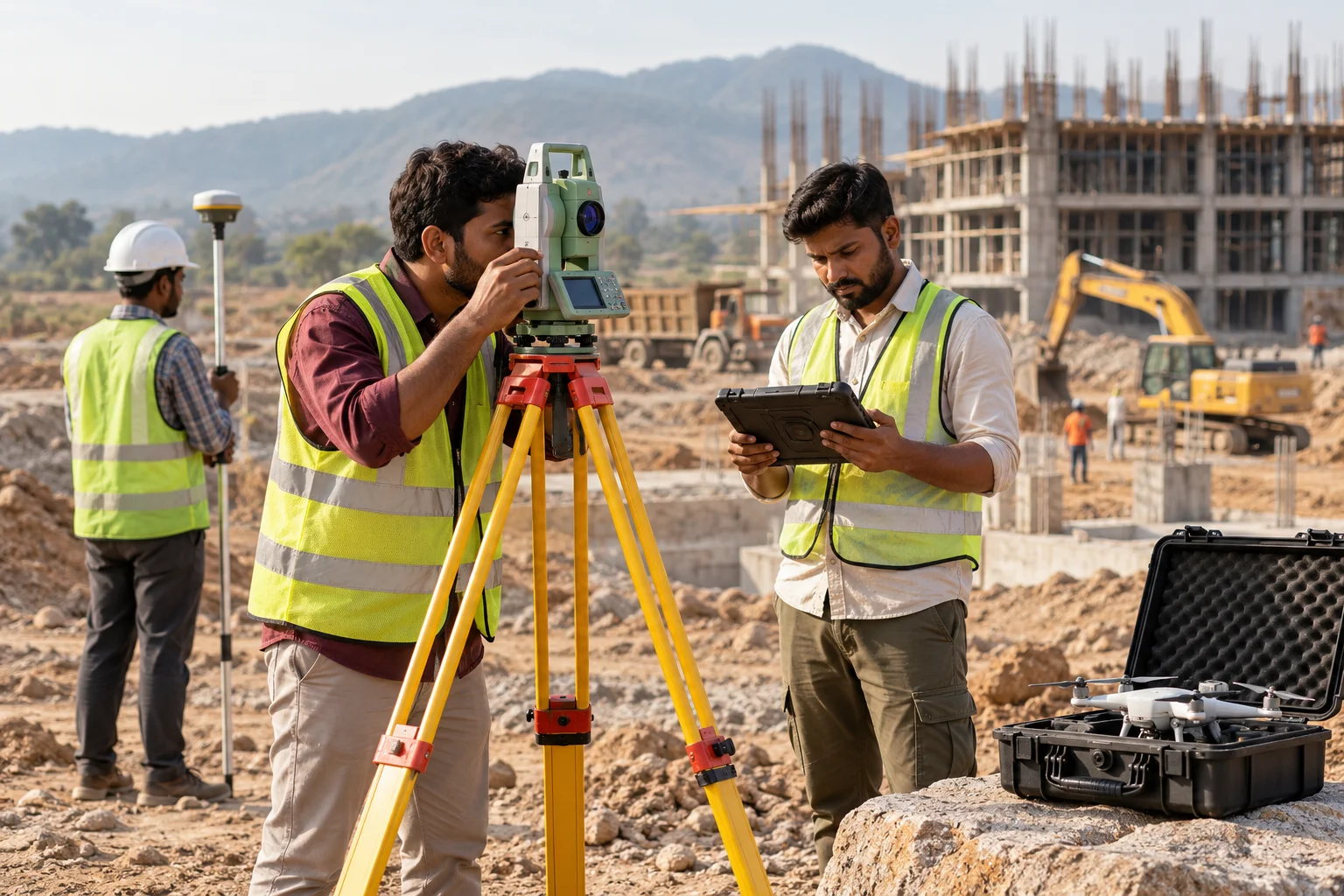
Lead generation for a geospatial firm means reaching the department heads, utility project teams and contractors who need maps, surveys or a GIS database, and being known before a notice appears. GullySales works on the lead sources, the sample material and the record of each opportunity.
Scope, fee, reporting and term are agreed in writing after we have read your brief and spoken to you.
What lead generation means
Lead generation is the combined work of every channel that brings in a new enquiry, whether from search, adverts, referrals or a stall at an exhibition. GullySales runs these channels together and reports the number of enquiries each one produced, not the activity behind it.
Also for GIS and geospatial service companies
- CRM for GIS and geospatial service companies
- Follow-up systems for GIS and geospatial service companies
- SEO for GIS and geospatial service companies
- Social media marketing for GIS and geospatial service companies
- Content marketing for GIS and geospatial service companies
- Buyer persona for GIS and geospatial service companies
- WhatsApp marketing for GIS and geospatial service companies
- Digital marketing for GIS and geospatial service companies
Sales and marketing for GIS and geospatial service companies, the overview.
Last updated 22 Oct 2026.
For GIS and geospatial service companies
Where it usually goes wrong, and what we would do.
“Notices are late, relationships are early”
By the time a tender is published, the scope is set. The officer who drafted it has talked to a few firms first. A sample sheet left with that officer earlier is what puts a firm in the room.
“Prime contractors are buyers too”
A road or water contractor bids for a project and needs a mapping subcontractor. A bid manager choosing among firms looks for ready documents and past work in similar terms. Recording these contractors as leads brings repeat work.
“Departments have several doors”
A municipality, a revenue department and a utility may each need mapping but sit in different offices. Without a record of who was met, the same office is approached twice and another never.
“Private buyers search online”
Agri-input firms, mining companies and telecom planners search for services and call. These enquiries need a quick, clear reply and a sample, not a tender response.
What we do
What we deliver for GIS and geospatial service companies.
Every deliverable, what it covers for you, and the result it is there to produce. Nothing here is an extra.
Buyer-wise lead sources
A list of sources for each buyer type: tender portals, department visits, contractor networks, events and search.
Result: The team knows where each kind of lead comes from.
Sample sheet set
One finished sample map per sector to leave with an officer or attach to an email.
Result: Every visit and reply carries something to show.
Contractor register
A list of civil and survey contractors who bid for work with a mapping component, with contacts and past dealings.
Result: Prime bidders are tracked as a lead source.
Enquiry form for private buyers
A form asking area, purpose, output format and date.
Result: Private enquiries arrive with facts for a reply.
Department contact map
A record of which offices were met, who attended and what was left behind.
Result: No office is approached twice by accident.
Qualifying questions
A script on area, deliverables, data ownership and the buying route.
Result: The team can tell a tender prospect from a private buyer in a few minutes.
How the result is measured
- Enquiries generated
- Cost per enquiry
- Enquiries by source
Recorded as a baseline before work starts, so every later report has an honest comparison.
Who it is for
This is written for these GIS and geospatial service companies.
- Municipal bodies and urban development authorities
- Revenue and land records departments
- Electricity, water and gas utilities
- Road, rail and metro infrastructure builders
- Agriculture departments and agri-input firms
- Mining and natural resource companies
- Telecom and tower network planners
- Forest, environment and disaster management bodies
How it works
How the lead generation work runs
The work itself, in order. How an engagement starts, from your brief to a written scope, is set out on our method page.
- 1
Understand your capacity
We agree how many enquiries your sales team can actually handle well, so the system is not built to overwhelm it.
- 2
Audit current sources
We check what already brings in enquiries today, even informally, before adding anything new.
- 3
Strategise the channel mix
Content, search and paid channels are chosen based on where your buyers already look.
- 4
Implement capture and follow-up
Pages, forms and a follow-up process are built and connected end to end.
- 5
Measure and optimise
We track enquiry volume and quality and adjust the channel mix to match.
Where this fits
Three pieces of sales work, in this order.
This work sits inside sales process design, at stage 1, prospecting and lead generation. The audit comes before it, and sales management keeps it running.
Step 1
Sales audit
Find where deals are being lost and what to fix first.
Start here if you cannot say where orders are lost.
Step 2 · you are here
Sales process design
One written way to sell, from first enquiry to repeat order.
Start here if every salesperson sells differently.
Step 3
Sales management
A target, a review routine and someone who owns the number.
Start here if the team has targets and no routine.
FAQ
Questions owners ask before they call.
Not here? More answers, or ask on WhatsApp.
Should we approach officers before a tender?
How do we find notices?
Can lead generation promise tenders won?
How much does it cost?
How long is the contract?
How soon will we see results?
Who will actually do the work?
What do you need from us?
What if we are not happy with the work?
More for GIS and geospatial service companies
Everything else we would do for you.
Closest to this: leads and follow-up
Also for GIS and geospatial service companies
- SEO for GIS and geospatial service companies
- Social media marketing for GIS and geospatial service companies
- Content marketing for GIS and geospatial service companies
- Buyer persona for GIS and geospatial service companies
- WhatsApp marketing for GIS and geospatial service companies
- Digital marketing for GIS and geospatial service companies
Or start from the overview: sales and marketing for GIS and geospatial service companies.
Your next practical step
Tell us what you are trying to grow, and we will read it before we call.
Eight short steps, mostly taps. Skip anything you would rather answer on the call.