GIS and geospatial service companies · Website
Build the site so an officer can open a sample map and see the file formats.
A website for a geospatial firm is where an officer looks at a sample, an engineer checks method and a bid manager looks for documents. GullySales plans the structure and copy around samples, data handling and clear contact paths.
Scope, fee, reporting and term are agreed in writing after we have read your brief and spoken to you.
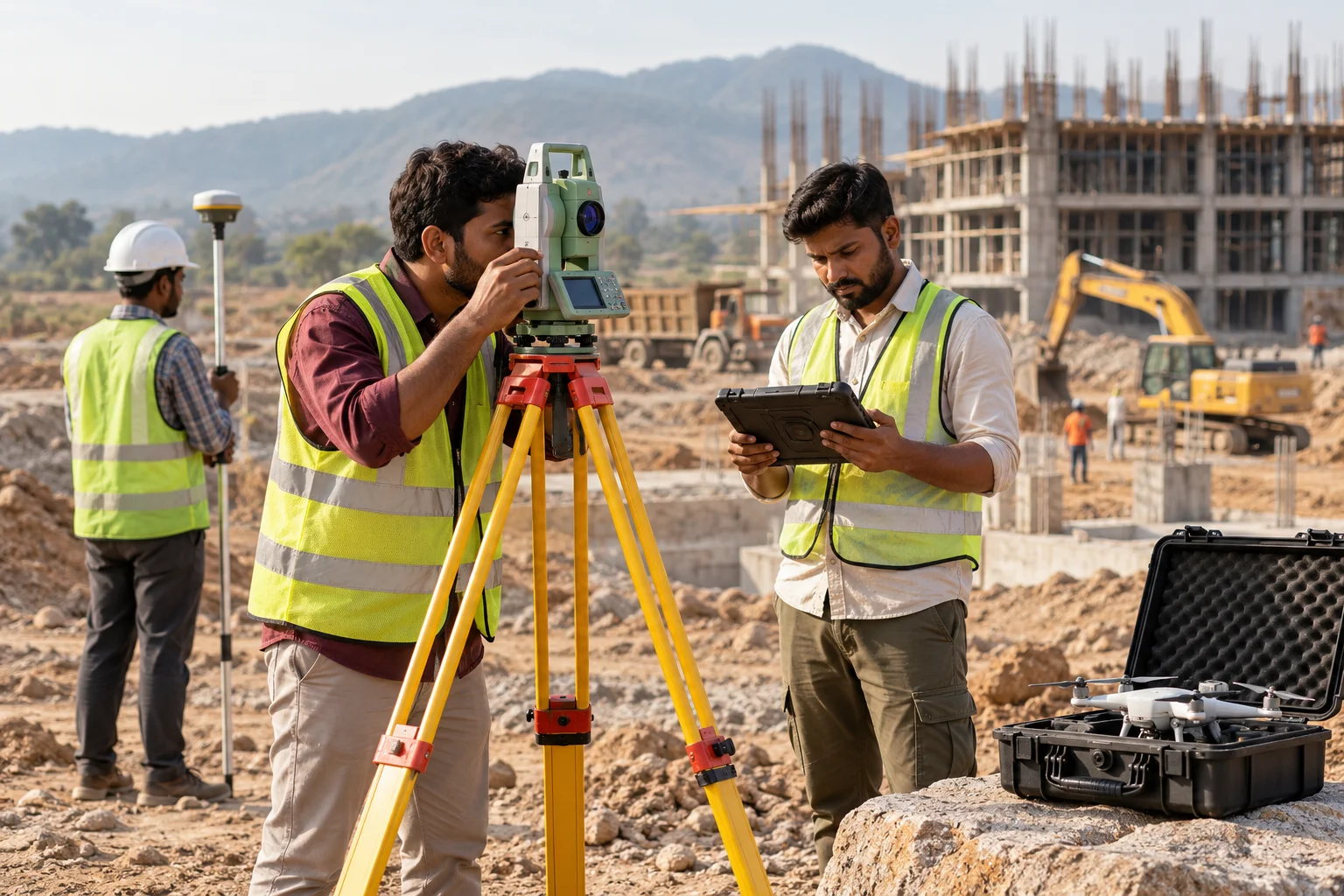
What website means
A website is the page a customer lands on after searching, clicking an advert or scanning a code, and it decides whether they call or leave. GullySales builds and maintains sites that load quickly, explain the offer plainly and make the enquiry form or phone number easy to find.
Also for GIS and geospatial service companies
- SEO for GIS and geospatial service companies
- Lead generation for GIS and geospatial service companies
- Social media marketing for GIS and geospatial service companies
- Content marketing for GIS and geospatial service companies
- Buyer persona for GIS and geospatial service companies
- CRM for GIS and geospatial service companies
- Follow-up systems for GIS and geospatial service companies
- WhatsApp marketing for GIS and geospatial service companies
Sales and marketing for GIS and geospatial service companies, the overview.
Last updated 22 Oct 2026.
For GIS and geospatial service companies
Where it usually goes wrong, and what we would do.
“Samples must open easily”
A sample map that needs a plugin or a heavy download fails on an office desktop. A web view and a plain image with a text description reach more readers.
“Government visitors need credibility cues”
Company details, registered office, leadership and a data handling page signal a stable firm. A site without them feels temporary.
“Different readers need different doors”
A department officer, a contractor and a private buyer ask different things. Pages by buyer type send each to the right place. A bid manager compares several firms in one sitting, so a page that states the roles and the experience plainly is the one remembered.
“Contact must be traceable”
Officers prefer a postal address, a landline and a named contact. A form alone does not suit them.
What we do
What we deliver for GIS and geospatial service companies.
Every deliverable, what it covers for you, and the result it is there to produce. Nothing here is an extra.
Page structure
A map of pages by job, sector, samples, data handling, documents and contact.
Result: A reader reaches their page in a click or two.
Sample pages
Pages with a web map or image, a text description and the formats offered.
Result: An officer sees and reads the deliverable.
Data handling page
A plain page on storage, access and handover.
Result: The practice is stated before asking.
Company documents page
A page with company details and a request route for the tender folder.
Result: Bid managers know where to ask.
Contact paths
Phone, address and form, with a named contact for each buyer type.
Result: Each buyer has a route that suits them.
Speed and accessibility
Checks on loading, readable text and files in common formats.
Result: The site works on ordinary office connections.
Method and equipment page
A plain page on the survey method, the instruments or sensors used, the processing software family and the accuracy the firm states in its own reports, without claims about outcomes.
Result: An engineer can judge whether the method suits the project.
How the result is measured
- Page load time
- Bounce rate
- Enquiries from the website
Recorded as a baseline before work starts, so every later report has an honest comparison.
Who it is for
This is written for these GIS and geospatial service companies.
- Municipal bodies and urban development authorities
- Revenue and land records departments
- Electricity, water and gas utilities
- Road, rail and metro infrastructure builders
- Agriculture departments and agri-input firms
- Mining and natural resource companies
- Telecom and tower network planners
- Forest, environment and disaster management bodies
How it works
How the website work runs
The work itself, in order. How an engagement starts, from your brief to a written scope, is set out on our method page.
- 1
Confirm structure and content
We agree the site's pages and content needs before design begins, drawing on website strategy where it exists.
- 2
Design the site
Every page is designed against your brand identity and checked for how it should convert a visitor.
- 3
Build and test
The site is developed and tested across devices and browsers before anything goes live.
- 4
Load real content
Actual copy, images and information about your business replace placeholder content before launch.
- 5
Launch and hand over access
The site goes live with domain, hosting and content management access clearly handed to you.
Where this fits
Three pieces of sales work, in this order.
This work sits inside sales process design, at stage 1, prospecting and lead generation. The audit comes before it, and sales management keeps it running.
Step 1
Sales audit
Find where deals are being lost and what to fix first.
Start here if you cannot say where orders are lost.
Step 2 · you are here
Sales process design
One written way to sell, from first enquiry to repeat order.
Start here if every salesperson sells differently.
Step 3
Sales management
A target, a review routine and someone who owns the number.
Start here if the team has targets and no routine.
FAQ
Questions owners ask before they call.
Not here? More answers, or ask on WhatsApp.
Should the site list past government clients?
Do we need a web map on the site?
Should the site be in a regional language?
How much does it cost?
How long is the contract?
How soon will we see results?
Who will actually do the work?
What do you need from us?
What if we are not happy with the work?
More for GIS and geospatial service companies
Everything else we would do for you.
Closest to this: search and visibility
Also for GIS and geospatial service companies
- Lead generation for GIS and geospatial service companies
- Social media marketing for GIS and geospatial service companies
- Content marketing for GIS and geospatial service companies
- Buyer persona for GIS and geospatial service companies
- CRM for GIS and geospatial service companies
- Follow-up systems for GIS and geospatial service companies
Or start from the overview: sales and marketing for GIS and geospatial service companies.
Your next practical step
Tell us what you are trying to grow, and we will read it before we call.
Eight short steps, mostly taps. Skip anything you would rather answer on the call.