Spas · Marketing strategy
Decide whether to chase walk-ins, packages or corporate contracts this quarter.
A marketing strategy for a spa sets which kind of booking to prioritise this quarter. It might be filling weekday afternoons with packages, winning weekend walk-ins, or signing a corporate wellness contract, but chasing all three equally usually wins none well. GullySales builds this plan around your actual slow hours and your existing customer records.
Scope, fee, reporting and term are agreed in writing after we have read your brief and spoken to you.
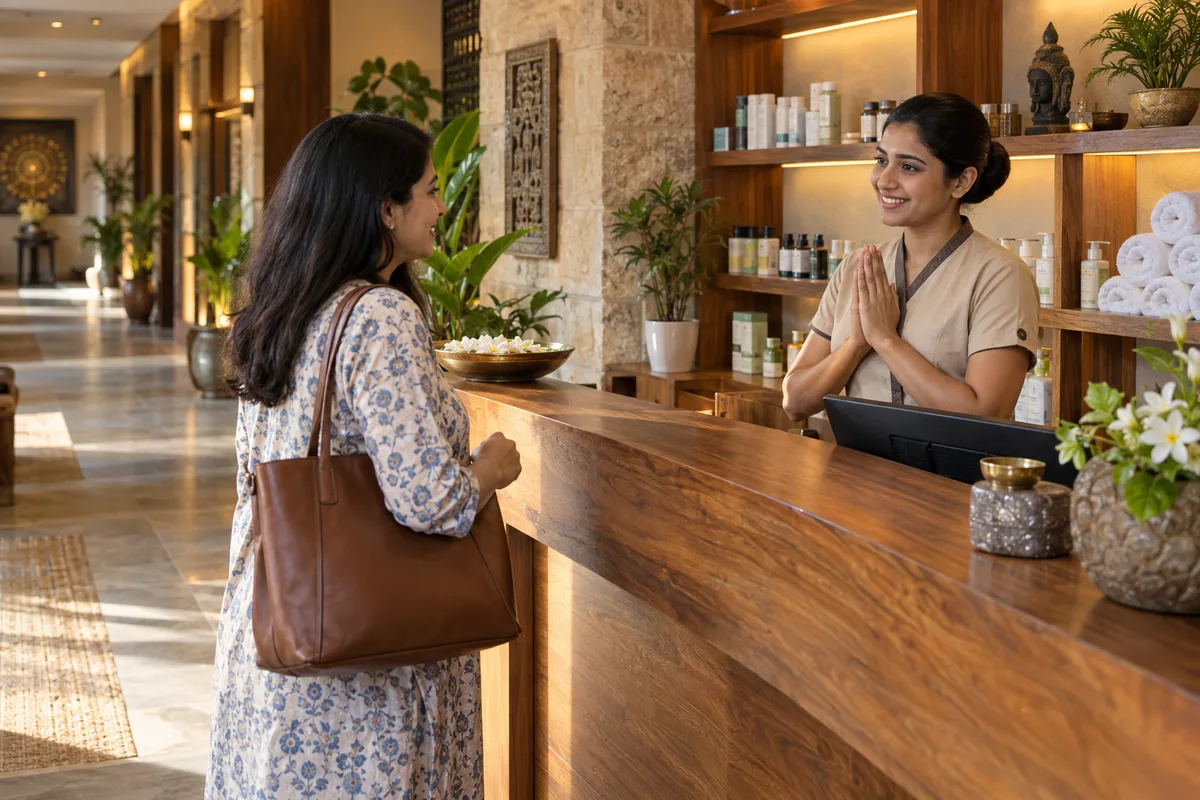
What marketing strategy means
Marketing strategy is the plan for which channels to use, in what order and with what budget. This way, marketing spend is aimed at a goal instead of tried one channel at a time. GullySales sets this plan after the first conversation, based on where your buyers actually search and decide.
Last updated 5 Oct 2026.
For spas
Where it usually goes wrong, and what we would do.
“Weekday afternoons and weekend evenings need different plans”
A slow Tuesday afternoon is best filled with a membership package aimed at people working nearby. A Saturday evening slot is better sold to a couple looking for a spontaneous booking.
“Corporate contracts change the shape of the whole plan”
A single signed office wellness contract can fill more chair time than several months of walk-in marketing. A strategy chasing corporate accounts looks very different from one chasing Instagram followers.
“The plan should name a therapist capacity limit”
A strategy that brings in more bookings than your therapists can actually deliver just creates long waits and cancellations. Demand generation has to match the chairs and hands you actually have.
What we do
What we deliver for spas.
Every deliverable, what it covers for you, and the result it is there to produce. Nothing here is an extra.
A plan naming the priority booking type
A written plan stating whether this quarter's focus is weekday packages, weekend walk-ins or a corporate contract.
Result: Effort goes into one clear priority instead of everything at once.
Slow-period targeting plan
A plan matching specific offers, such as a weekday afternoon package, to the actual slow hours in your booking record.
Result: Marketing effort is aimed at the appointment slots that need filling.
Therapist capacity check against the plan
A check that the bookings a plan aims to generate do not exceed what your current therapist team can actually deliver.
Result: A promotion never creates more demand than your team can serve.
Priority treatments named for the quarter
A short list, such as ayurvedic massage and couple packages, chosen from your full menu as this quarter's focus.
Result: The whole team knows which treatments to push right now.
Booking numbers checked against the baseline
A review meeting against your baseline, checking whether the quarter's priority actually moved bookings before setting the next one.
Result: The next quarter's plan is based on what actually worked.
How the result is measured
- Enquiries against target
- Cost per enquiry
- Channel contribution to revenue
Recorded as a baseline before work starts, so every later report has an honest comparison.
What to decide first
What a spa decides about treatments, hours and guests before it advertises.
- The treatments to be known for
- Sort bookings by treatment and by the margin after therapist time. Choose a few, such as a signature massage or an ayurvedic programme, and give each a clear page and a reply.
- The hours you want to fill
- Look at the booking diary for empty hours, usually weekday afternoons. Plan offers and messages for those hours and leave the full weekend slots alone.
- Who the spa is for
- Women only, couples, tourists, office workers or older guests want different settings. Decide your main guest, and be open about it, so the right person books.
- The package or membership you offer
- Decide which package, if any, is offered after a first visit, what it includes and what happens to unused sessions. Write it so the front desk can explain it in a minute.
- Therapist capacity and training
- Each therapist can only do so many sessions well. Decide the limit, and name the treatments each is trained for, so bookings match the person who will do them.
- What stays out of your marketing
- Ayurvedic and wellness treatments should not be described as cures. Check rules for your kind of centre and your state, and decide which health claims and offers you will leave out.
Who it is for
This is written for these spas.
- Day spas
- Ayurveda and wellness centres
- Salon-spa combo outlets
- Medi-spas and skin clinics with spa services
- Massage-only therapy centres
- Resort and hotel spas
- Corporate and mobile wellness services
How it works
From your first message to the first report.
No open-ended retainer. Every step gives you something in writing.
First
Your brief
You tell us what you need in a few short steps: your business, what you want, where enquiries come from and how they are handled.
After the brief
A conversation and a written scope
We read it, then talk with whoever handles your enquiries. If you want our help, the scope, the fee and the reporting come in writing, and nothing starts before you have read them.
Before work starts
Baseline recorded
The numbers this work is meant to move, such as enquiries, quotations, orders, visits or renewals, written down so every later report has an honest comparison.
After the baseline
The first fix goes live
The fix we agreed to start with is put in place and measured against the baseline, whether that is a reply, a follow-up, a page, a listing or the handover between marketing and sales.
As agreed
Report against the baseline
What moved, what did not, and what changes next, in plain words. How often you get it is set in writing before work starts.
At renewal
Renew on the numbers
The term ends and you decide whether to continue from the results. The length is agreed in writing before anything starts.
How the marketing strategy work runs
- 1
Understand business goals
We start with what the business needs to achieve this year, in revenue and growth terms, not marketing terms.
- 2
Audit current activity
We review every current marketing activity and what it has actually produced.
- 3
Strategise the plan
Channels, messaging and budget are set based on the goals and what we find in your business, not habit or competitor imitation.
- 4
Implement the roadmap
The plan is broken into an execution roadmap, either run by GullySales, your own team, or both.
- 5
Measure against milestones
Progress is checked against the plan's milestones, with adjustments made as the year unfolds.
Why us
Why owners pick GullySales over an agency.
Marketing and sales, as one job
Most agencies stop at the enquiry. We also fix what happens after it: the reply, the follow-up, the quote and the CRM.
The person on the first call does the work
No account managers in between. You are never handed to someone you have not met.
A baseline before anything starts
Your numbers are written down on day one, so every later report compares against something honest.
The fee in writing, split three ways
Our time, your media spend and production on separate lines. You always see what goes to us.
No guarantees we cannot keep
The term is agreed in writing and never a default twelve months. We never promise a ranking or a lead count, because nobody controls those.
One office, and we say so
Nagarbhavi, Bengaluru. We work across India by call and WhatsApp and travel when a session needs to be in person.
#257, 3rd floor, Sri Nanjundeshwara Complex, Nagarbhavi 8th Block, Outer Ring Road. How we work.
Your brief
Tell us what you need, and we will read it before we call.
Eight short steps about your business, what you want and who decides. Most questions are a tap, and you can skip any you would rather answer on the call.
FAQ
Questions owners ask before they call.
Not here? More answers, or ask on WhatsApp.
How often should a spa revisit its marketing strategy?
Should the strategy focus on one treatment or all of them?
Do hygiene and trust need to be part of the plan?
We are busy only on weekends. Should we hire more therapists?
How much does it cost?
How long is the contract?
How soon will we see results?
Who will actually do the work?
What do you need from us?
What if we are not happy with the work?
From the blog
Further reading for spas.
 6 min read · 19 Aug 2026How to sell spa membership packages that customers renewBuild spa membership packages around how often customers already visit, with a saving they can see. Offer them at the counter after a good session, and follow up before each renewal.
 7 min read · 3 Jun 2025How to reactivate dormant customersDefine dormant against your own purchase interval, then call your highest-value lapsed customers to ask why they stopped before offering any discount.
More for spas
Everything else we would do for you.
Closest to this: strategy and research
Also for spas
Or start from the overview: sales and marketing for spas.
Your next practical step
Tell us what you are trying to grow, and we will read it before we call.
Eight short steps, mostly taps. Skip anything you would rather answer on the call.