Ayurveda and alternative wellness centres · Buyer persona
The one who searches, the one who pays and the one who stays are three different people.
A buyer persona for an Ayurveda or alternative wellness centre is a written portrait of the person weighing a consultation or a residential programme, including the relatives and doctors who shape the choice. GullySales builds those portraits from your own enquiry and booking records, so each page, reply and campaign speaks to a real decision-maker.
Scope, fee, reporting and term are agreed in writing after we have read your brief and spoken to you.
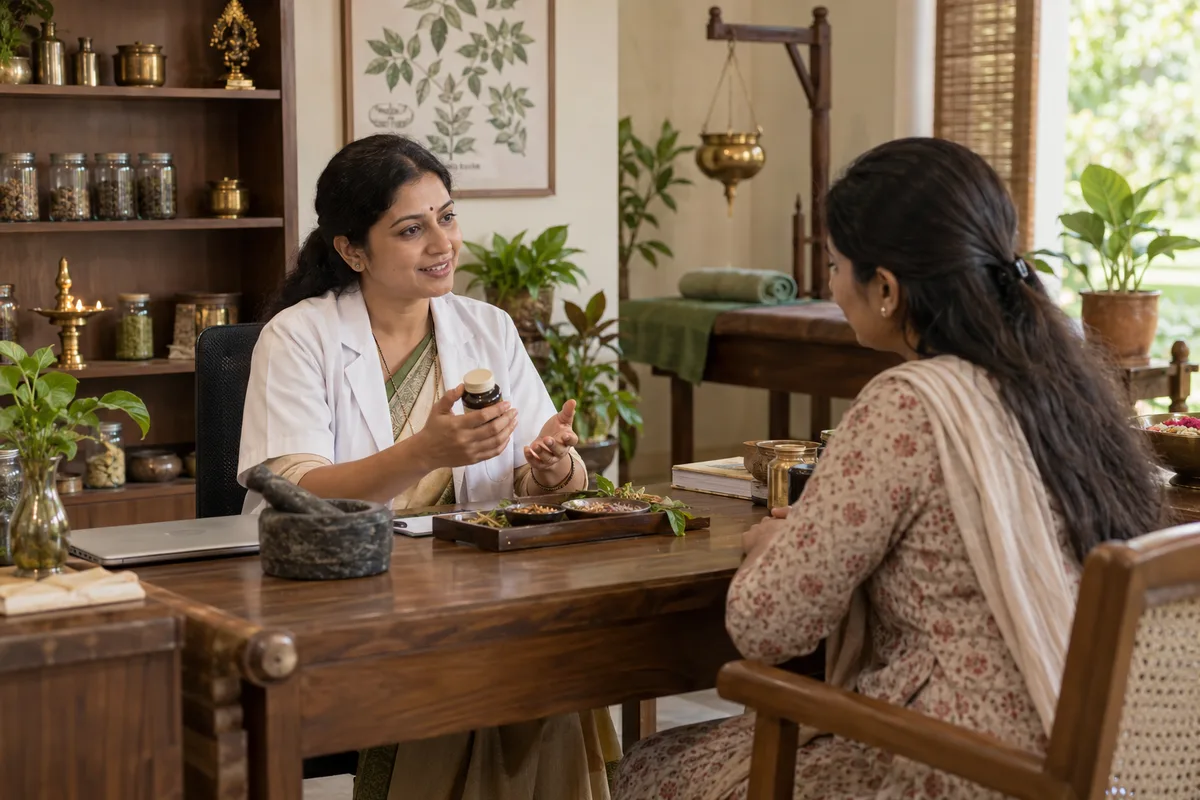
What buyer persona means
A buyer persona is a plain description of the kind of customer who actually buys from you. It includes what they search, what worries them and who else they ask before deciding. GullySales builds this from real enquiries and past sales rather than a generic template, then uses it to write every page and advert.
Also for ayurveda and alternative wellness centres
- Digital marketing for Ayurveda and alternative wellness centres
- SEO for Ayurveda and alternative wellness centres
- PPC ads for Ayurveda and alternative wellness centres
- Lead generation for Ayurveda and alternative wellness centres
- Reputation management for Ayurveda and alternative wellness centres
- Local SEO for Ayurveda and alternative wellness centres
- Branding and identity for Ayurveda and alternative wellness centres
- Social media marketing for Ayurveda and alternative wellness centres
Sales and marketing for ayurveda and alternative wellness centres, the overview.
Last updated 5 Oct 2026. Rules for this trade differ by state and professional body, and they change. We describe restrictions in general terms, so check the current position with your own council or adviser before you publish anything.
For ayurveda and alternative wellness centres
Where it usually goes wrong, and what we would do.
“The searcher can be a relative”
A daughter types the search for a father's stiff knees, and an employee types it for a stressed manager. The page has to answer the relative's questions about the physician and the daily routine, while the consultation still reaches the person who will actually take the therapy.
“The Panchakarma buyer has already chosen the tradition”
This person is not weighing Ayurveda against a gym. They are comparing two or three centres on the physician's qualification, the food, the room and how the days are structured. Copy that explains the tradition from the beginning bores them and delays the comparison they came for.
“The doctor-recommended guest arrives with a medical file”
Someone told by an orthopaedist or a physician to try complementary care brings reports and a current medicine list. They need to hear that your physician will read those before anything is booked, and that the programme works beside their existing treatment, not instead of it.
“The overseas guest plans the whole trip”
Flights, a visa, a stay of several weeks and a named coordinator all matter to this buyer before the therapies do. A persona that treats them like a local walk-in produces a page with no answer to the questions they ask first.
What we do
What we deliver for ayurveda and alternative wellness centres.
The work available for this need. We agree the deliverables and responsibilities for your engagement in writing.
Persona sheets from your own records
Each sheet is built from real enquiries, intake forms and booking notes: who wrote, who paid, what they asked first and what made them hesitate.
Result: You can read the buyers you already serve, in their own words.
A map of searcher, payer and guest
For each programme, a note on whether those are one person or several, and what each of them needs to hear before the consultation.
Result: Replies are written to the right person in the family.
Questions each persona asks, in order
The first, second and third question from the local patient, the retreat guest, the doctor-referred guest and the overseas visitor, listed against the page that answers it.
Result: Every page has a named reader and a question it settles.
Language that respects the rules
A list of words each persona uses, such as cure and permanent relief, with the plain description of the therapy to use in their place.
Result: Your replies stay clear of claims you must not make.
Personas fed into the brief for every writer
A one-page brief that names the buyer, the stage of their decision and the single next step, handed to whoever writes your pages and posts.
Result: New material is aimed at someone, not at everyone.
How the result is measured
- Enquiry match to persona
- Conversion rate by persona
- Content aligned to persona
Recorded as a baseline before work starts, so every later report has an honest comparison.
Who is asking
Each person who contacts a centre wants something different answered first.
Persona sheets work when each role is tied to the question it asks before it will call back, and to the person at the centre who answers.
- A daughter booking for a parent
- The caller asks whether the parent can travel, who attends them and whether family can stay in the room. The sheet notes the caller's number as the contact.
- A guest sent by their own doctor
- They bring reports and ask whether the physician will read them first. Record the referrer so the centre can write back to that doctor.
- An overseas guest planning the whole trip
- They ask about visas, flights, room type and the season, in writing. The sheet lists the time zone and the language for replies.
- A corporate buyer for a team
- The HR manager asks about numbers, a day plan and an invoice. They need a quote that names the physician, not a therapy list.
- A returning guest after a programme
- They ask what to continue at home and when to return. The sheet holds their last programme and the date of the check-in.
Who it is for
This is written for these ayurveda and alternative wellness centres.
- Ayurveda clinics run by BAMS and MD Ayurveda physicians
- Panchakarma and therapy centres
- Residential Ayurveda retreats and wellness resorts
- Naturopathy and nature cure centres
- Homoeopathy clinics
- Siddha and Unani practices
- AYUSH hospitals and multi-therapy wellness centres
- Traditional therapy and marma centres
- Ayurveda wellness centres attached to hotels
Not for
It is not the right fit if.
- You have not yet recorded who enquired, who paid and who stayed for any booking, so a persona would be built from guesswork.
- The centre sees only one kind of guest, a local patient who comes for a single therapy, so separate personas would split a group that behaves alike.
- Nobody will use the sheets when writing replies or pages, so they would sit unread beside the real work.
Before you decide
Agree the work. Know how to judge it.
Buyer personas for Ayurveda centres: use these checks to prepare, choose the scope, and review what changes.
Bring the right evidence
Write the decision the research must support, such as entering a market or choosing a buyer group. Separate what you know from sales records from what the team currently assumes.
Make the scope clear
Agree which buyers to speak to, which sources to review, and what access you can provide. Include lost enquiries and people who chose another supplier, where they are willing to take part.
Check the work in use
Look for source dates, sample limitations, and evidence that disagrees with the preferred answer. A recommendation should show how it follows from the findings.
Know when to change course
Do not treat a few positive conversations as proof of demand. Test the proposed offer with an actual buying decision before committing to a wider launch.
These are discussion points, not a fixed package. GullySales confirms the deliverables, responsibilities, fee, and term in writing after reading your brief and speaking with you.
How it works
How the buyer persona work runs
The work itself, in order. How an engagement starts, from your brief to a written scope, is set out on our method page.
- 1
Audience decision and scope approval
You send the requirements brief, then we discuss the decision these personas must support. The written scope identifies the audience groups and agreed outputs before work starts.
- 2
Record access and interview selection
Your team shares relevant purchase records and agrees which customers to approach. Customers agree before contact, and we identify gaps such as missing lost-deal notes.
- 3
Interview findings and evidence check
We ask buyers about their last purchase, including what happened before the enquiry and who else was involved. Staff conversations add objections and questions, with differences between accounts kept visible.
- 4
Persona review and corrections
Draft profiles go to the people who handle enquiries and close orders. We check disputed points against the available evidence rather than treating internal agreement as proof.
- 5
Application priorities and handover
You approve the profiles and decide which existing assets need attention first. The persona documents and application map pass to your marketing and sales owners, with implementation responsibilities recorded.
Where this fits
Three pieces of sales work, in this order.
This work sits inside sales process design, at stage 0, foundation. The audit comes before it, and sales management keeps it running.
Step 1
Sales audit
Find where deals are being lost and what to fix first.
Start here if you cannot say where orders are lost.
Step 2 · you are here
Sales process design
One written way to sell, from first enquiry to repeat order.
Start here if every salesperson sells differently.
Step 3
Sales management
A target, a review routine and someone who owns the number.
Start here if the team has targets and no routine.
FAQ
Questions owners ask before they call.
Not here? More answers, or ask on WhatsApp.
We already know our guests. Why write personas?
Can personas include health conditions?
Do we need a persona for every therapy?
How many personas does a small centre need?
How much does it cost?
How long is the contract?
How soon will we see results?
Who will actually do the work?
What do you need from us?
What if we are not happy with the work?
From the blog
Further reading for ayurveda and alternative wellness centres.
- 6 min read · 11 May 2026What a prospective member checks before joining a wellness centre in your areaThe quiet checks a visitor makes on a gym or wellness centre tour: hygiene, trainer credentials, timings and safety, with a walk-through checklist.
- 6 min read · 24 Feb 2026Seasonal demand for wellness in India: planning around January, monsoon and festival monthsHow a gym, studio or salon can read its joining and drop-off pattern by month, then plan budget and offers around New Year, monsoon and festivals.
More for ayurveda and alternative wellness centres
Related work to consider.
Closest to this: strategy and research
Also for ayurveda and alternative wellness centres
- SEO for Ayurveda and alternative wellness centres
- PPC ads for Ayurveda and alternative wellness centres
- Lead generation for Ayurveda and alternative wellness centres
- Reputation management for Ayurveda and alternative wellness centres
- Local SEO for Ayurveda and alternative wellness centres
- Branding and identity for Ayurveda and alternative wellness centres
Or start from the overview: sales and marketing for ayurveda and alternative wellness centres.
Your next practical step
Tell us what you are trying to grow, and we will read it before we call.
Eight short steps, mostly taps. Skip anything you would rather answer on the call.