Piercing studios · Follow up systems
A piercing sale continues after the visit: the check-in, the review and the next stud.
A follow-up system for a piercing studio is the set of messages that go to a customer before, during and after a piercing, and to enquirers who went quiet. GullySales works on writing those messages, deciding when they go and giving the counter a routine for sending them.
Scope, fee, reporting and term are agreed in writing after we have read your brief and spoken to you.
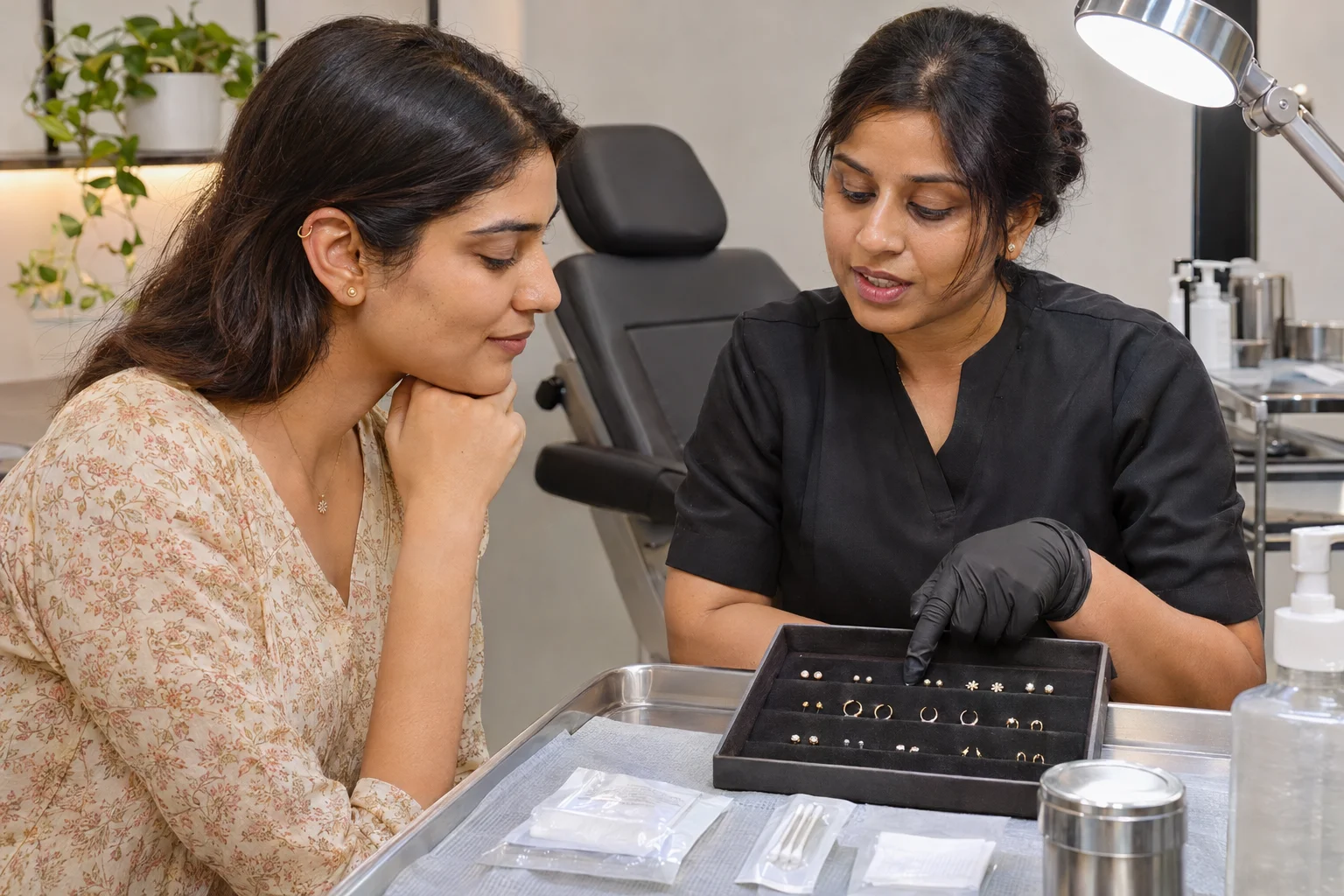
What follow up systems means
A follow-up system is the set routine for calling, messaging or emailing an enquiry more than once, since most buyers do not decide on the first conversation. GullySales sets the number and timing of follow-ups so an undecided buyer keeps hearing from you until they decide either way.
Last updated 14 Nov 2026.
For piercing studios
Where it usually goes wrong, and what we would do.
“The enquirer who went quiet is still deciding”
A person who asked a price and vanished is comparing studios. One polite follow-up that answers the worry they never voiced, and offers a slot, wins back the person who would otherwise book elsewhere.
“A slot without a reminder is a gap”
Booked children and students forget, or exams move. A message the day before, with what to eat and wear and the parent's consent reminder, protects the piercer's time and the customer's appointment.
“The aftercare message is also a sales message”
A well-written check-in a few days after the piercing shows care, reduces anxious calls to the piercer's personal number and opens the door for a review and a later stud change.
“Follow-up that sounds automatic is ignored”
A message that reads like a broadcast feels like spam. Using the customer's name, the piercing and the piercer's name makes the same message feel like attention from a studio that remembers them.
What we do
What we deliver for piercing studios.
The work available for this need. We agree the deliverables and responsibilities for your engagement in writing.
A sequence for enquiries that went quiet
Two short, kind messages to someone who asked and did not book, each answering a likely worry.
Result: Quiet enquiries get a human nudge, not silence.
A booking confirmation and reminder
A message at booking and another before the visit, with preparation notes and a parent line for children.
Result: Every slot has a message behind it.
An aftercare check-in
A set message after the piercing with cleaning steps and a line on when to see a doctor.
Result: One approved message replaces ad hoc calls.
A review and referral request
A polite ask for a Google review and a friend's introduction once the piercing has settled.
Result: The request is worded for the right moment.
A stud upgrade and festive note
A message to settled customers about a better stud or a festive piercing, naming the metal and the piece.
Result: The offer is specific, not a blanket.
A counter checklist
A one-page list of who gets which message and when, kept at the desk and in the shared sheet.
Result: Follow-up does not depend on one person's memory.
How the result is measured
- Follow-up completion rate
- Average number of follow-ups before close
- Enquiries closed after repeat follow-up
Recorded as a baseline before work starts, so every later report has an honest comparison.
What to capture or send
Moments after a piercing enquiry where a message belongs.
- Enquiry with no reply
- One message with the piercing named and a free slot. A second nudge may annoy, so stop there.
- Slot booked
- A confirmation with the piercer's name, the address and the reminder time.
- Day after the piercing
- A check-in asking how the client is and pointing to the aftercare card. Any concern goes to a doctor.
- Review request
- A single polite message after the piercing has settled, with no gift offered.
- Jewellery change
- A note to a customer when a matching stud is in stock.
Who it is for
This is written for these piercing studios.
- Ear piercing studios for adults and teenagers
- Kids' ear piercing studios and baby-friendly rooms
- Cartilage and helix piercing specialists
- Nose piercing studios for nostril and septum work
- Navel and body piercing studios
- Piercing counters inside tattoo studios
- Mall kiosks and studios in jewellery stores
- Body jewellery boutiques that pierce on site
Before you decide
When this may not be the right fit.
- Your studio cannot take a call from a client who reports a worry, so a check-in message would raise a problem no one answers.
- You do not log the date of each visit, so follow-up would go to the wrong people.
Before you decide
Agree the work. Know how to judge it.
Follow-up systems for piercing studios: use these checks to prepare, choose the scope, and review what changes.
Bring the right evidence
Trace recent enquiries from arrival to the last recorded action. Include a won enquiry, an unsuitable one, and one that went quiet, with personal details removed for the initial discussion.
Make the scope clear
Agree who accepts each enquiry, what makes it qualified, and how ownership changes. Include a rule for missed replies and a clear reason for closing an enquiry.
Check the work in use
Pick an enquiry at random and ask the team to find its owner, latest conversation, and next action. Check that the record agrees with what actually happened.
Know when to change course
If no one has capacity to respond, assign that responsibility before buying more leads. Automation can support the owner, but it cannot replace an unresolved handover.
These are discussion points, not a fixed package. GullySales confirms the deliverables, responsibilities, fee, and term in writing after reading your brief and speaking with you.
Before we start
What to have ready before the work starts.
The records, access and decisions this work needs from piercing studios. Anything missing is noted in the written scope, with who will supply it.
- The list of silent enquiries
- The first messages go to people who stopped replying. Bring the chats or a list with dates. If not available, the system begins with new enquiries and the old ones are left.
- A WhatsApp Business account for the studio
- Messages should come from the studio's number. Bring the login or the phone. Consent and records get tangled on a personal number.
- Your piercer's aftercare card
- The check-in refers to the card the studio hands over. Bring a copy. If none exists, the piercer must write one before the check-in can be drafted. Include the studio's rule on what to do if the area looks wrong.
- A record of who agreed to messages
- Reminders and check-ins need consent. Tell us how you asked. Where there is no record, the first booking message asks for it.
- A named person to answer replies
- A reply to a message needs a human answer. Name a person at the counter and a backup. If none, the system sends fewer messages.
How it works
How the follow up systems work runs
The work itself, in order. How an engagement starts, from your brief to a written scope, is set out on our method page.
- 1
List the enquiries that stopped replying
We read through the studio's chats and mark every enquiry that went silent after the price or after an answer on safety, with the date of the last message. You tell us which people were serious. What exists is a list of live but silent enquirers, and the pattern of where the conversation stops. We also note which of them asked about a specific piercing and which asked only about price, since the two need different second messages.
- 2
Write the messages for each stage
We draft the confirmation, the reminder, the aftercare check and the review request, each in a sentence or two, in the voice of your counter. You rewrite them until they sound like the studio. Staff then have a message for each point, and none sounds like a robot wrote it. Each message carries the studio's name and the piercer's first name, so the customer knows who is writing.
- 3
Decide who sends and from which number
We settle which messages are sent by the counter, which by the piercer and which by a tool, and from which number. You decide. The rule means a customer always hears from the same account and is not messaged twice for the same thing. Messages written at the counter in the evening are held until the studio opens, so that a customer is not hurried or disturbed.
- 4
Write the aftercare check-in with your piercer
We draft the message that asks how the customer is and reminds them of the studio's aftercare card, using the piercer's own wording. You and the piercer check every line, and the message tells the customer to see a doctor about any medical concern. It also invites a stud upgrade when the time is right. The wording about jewellery is kept separate from the care advice, so that a customer reads the care first and the offer second.
- 5
Set the opt-out and the problem route
We write the line that lets a customer stop messages, and a short route for what staff do when a customer reports a problem, such as asking them to come in or contact a doctor. You approve both. The system then respects a stop at once and never answers a problem with a sales message. The route names the person who calls back, and the call is noted on the record so that the next message reflects it.
- 6
Read replies and repeat visits against the old count
We count the confirmations, the missed slots, the replies to the check-in and the repeat bookings, and compare them with the counts taken before the system began. You tell us which messages helped. We keep the ones that did and rewrite the rest. We also read the messages that drew a complaint or a stop request, because they show which wording to remove first.
Where this fits
Three pieces of sales work, in this order.
This work sits inside sales process design, at stage 2, qualification. The audit comes before it, and sales management keeps it running.
Step 1
Sales audit
Find where deals are being lost and what to fix first.
Start here if you cannot say where orders are lost.
Step 2 · you are here
Sales process design
One written way to sell, from first enquiry to repeat order.
Start here if every salesperson sells differently.
Step 3
Sales management
A target, a review routine and someone who owns the number.
Start here if the team has targets and no routine.
FAQ
Questions owners ask before they call.
Not here? More answers, or ask on WhatsApp.
Will constant messages annoy customers?
Can follow-up be automatic?
What if a customer reports a problem after the piercing?
Should a studio message about a problem after a piercing?
Who should send the aftercare check-in?
What if a customer never replies to any message?
How much does it cost?
How long is the contract?
How soon will we see results?
Who will actually do the work?
More for piercing studios
Related work to consider.
Closest to this: leads and follow-up
Also for piercing studios
Or start from the overview: sales and marketing for piercing studios.
Your next practical step
Tell us what you are trying to grow, and we will read it before we call.
Eight short steps, mostly taps. Skip anything you would rather answer on the call.