Piercing studios · Buyer persona
The nervous first-timer, the parent and the repeat piercer are three different buyers.
A buyer persona for a piercing studio is a written picture of one type of customer: what they fear, what they check and what finally makes them book. GullySales works on building those pictures from your own enquiries, so every page and reply speaks to a real person.
Scope, fee, reporting and term are agreed in writing after we have read your brief and spoken to you.
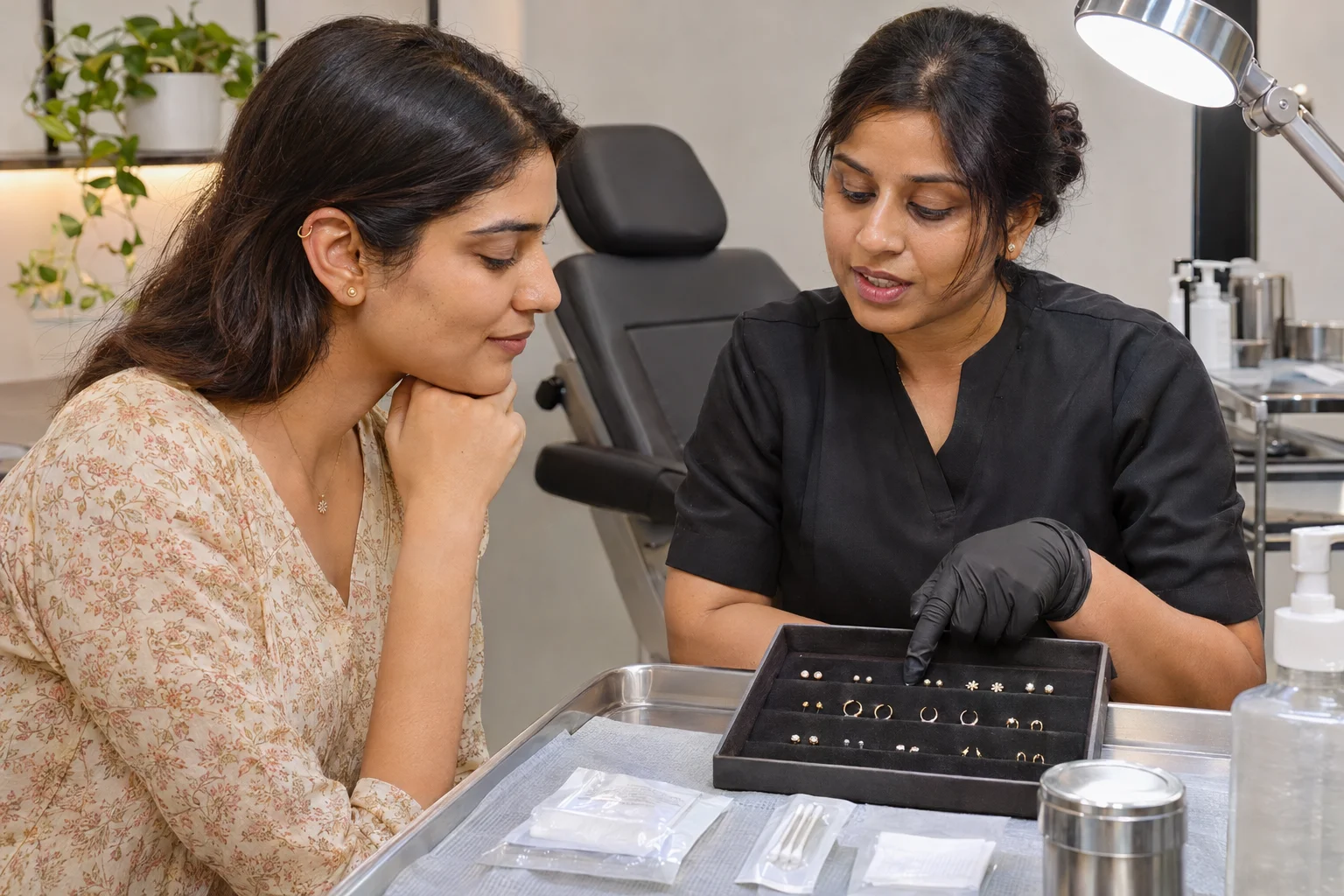
What buyer persona means
A buyer persona is a plain description of the kind of customer who actually buys from you. It includes what they search, what worries them and who else they ask before deciding. GullySales builds this from real enquiries and past sales rather than a generic template, then uses it to write every page and advert.
Last updated 14 Nov 2026.
For piercing studios
Where it usually goes wrong, and what we would do.
“The first-timer is buying reassurance”
A first ear or nose piercing is a decision made with a friend watching. The buyer checks for a new needle, a clean chair and a piercer who will not rush. Price comes second to feeling safe.
“The parent decides for someone else”
A parent booking a child's first ear piercing chooses on calm and patience. They plan around school and exams, they read the aftercare before agreeing, and they are the one who will recommend the studio to other parents.
“The repeat piercer buys a person”
Someone adding a cartilage piercing to existing ones asks for the piercer by name and looks at the jewellery material. They know the pain and want skill. They are also the likeliest buyer for a stud upgrade.
“The jewellery buyer may not want a piercing”
A person who comes for a nose stud or a navel ring and already has the piercing is buying a product. They need sizes, materials and an honest note on fit, not a piercing explanation they have heard before.
What we do
What we deliver for piercing studios.
The work available for this need. We agree the deliverables and responsibilities for your engagement in writing.
Three or four written personas
One page for each buyer type, built from real enquiries, with their fear, their checks and the question that decides.
Result: The team shares one description of who it is serving.
A reply set for each persona
Opening lines and offers for the first-timer, the parent and the repeat piercer, so the counter does not use one tone for all.
Result: The first reply matches the person asking.
A map of where each type of client first finds you
Whether each type arrives from Maps, Instagram, a friend or a school, noted from your enquiry records.
Result: You know where to speak to each buyer.
Pages written to each persona
A children's piercing page for parents, a hygiene page for the first-timer and a piercer profile for repeat buyers.
Result: Each buyer lands on a page made for them.
A review of the personas against bookings
A check of the personas against who actually booked and who dropped out, followed by edits.
Result: The pictures change as your customers do.
How the result is measured
- Enquiry match to persona
- Conversion rate by persona
- Content aligned to persona
Recorded as a baseline before work starts, so every later report has an honest comparison.
Who is asking
The buyers who message a piercing studio and what each asks first.
- Nervous first-timer
- They want to know if it hurts and who does it. Show the piercer and the room before the price.
- Parent of a child
- They want to know the age rules and whether they can stay. Answer on a separate page for parents.
- Repeat piercer adding a second
- They want the same piercer, a slot and a stud that matches the first. A name matters more than a deal.
- Jewellery buyer
- They want a stud or ring without a piercing. Show materials and sizes and say clearly that it is not a service.
Who it is for
This is written for these piercing studios.
- Ear piercing studios for adults and teenagers
- Kids' ear piercing studios and baby-friendly rooms
- Cartilage and helix piercing specialists
- Nose piercing studios for nostril and septum work
- Navel and body piercing studios
- Piercing counters inside tattoo studios
- Mall kiosks and studios in jewellery stores
- Body jewellery boutiques that pierce on site
Before you decide
When this may not be the right fit.
- You have fewer than a handful of past customers noted, so any persona would be a guess.
- Your studio only serves one kind of buyer, so more profiles would not change the first reply.
Before you decide
Agree the work. Know how to judge it.
Buyer personas for piercing studios: use these checks to prepare, choose the scope, and review what changes.
Bring the right evidence
Write the decision the research must support, such as entering a market or choosing a buyer group. Separate what you know from sales records from what the team currently assumes.
Make the scope clear
Agree which buyers to speak to, which sources to review, and what access you can provide. Include lost enquiries and people who chose another supplier, where they are willing to take part.
Check the work in use
Look for source dates, sample limitations, and evidence that disagrees with the preferred answer. A recommendation should show how it follows from the findings.
Know when to change course
Do not treat a few positive conversations as proof of demand. Test the proposed offer with an actual buying decision before committing to a wider launch.
These are discussion points, not a fixed package. GullySales confirms the deliverables, responsibilities, fee, and term in writing after reading your brief and speaking with you.
Before we start
What to have ready before the work starts.
The records, access and decisions this work needs from piercing studios. Anything missing is noted in the written scope, with who will supply it.
- The booking diary or customer sheet
- Personas come from who really booked. Bring the diary, the sheet or photographs of the pages. If nothing is written, we start from the counter's memory and mark the personas as provisional.
- A sitting with the staff who take bookings
- The people on the phone hear the doubts first. Set aside a sitting. Without it, the personas rest on your account alone.
- A sample of chats with names covered
- The first words of a message show the customer's worry. Share a sample with names and numbers hidden. If none can be shared, replies are written from description and revised after use. The phrases customers use matter more than the full thread.
- Your view on which customer you want more of
- Not every persona deserves equal effort. Say which you wish to grow, such as repeat piercers or parents. If undecided, we write for all and ask you to choose after the review.
- Rules on recording a customer's age
- Age affects who may be pierced and who must sign. Tell us what the studio records and what the rule is. Where nothing is recorded, we do not assume ages in the personas.
How it works
How the buyer persona work runs
The work itself, in order. How an engagement starts, from your brief to a written scope, is set out on our method page.
- 1
Sort the register by who walked in
We go through the booking diary or customer sheet and group customers by age, what was pierced and who came with them, so first-timers, parents, repeat piercers and jewellery buyers separate out. You correct the groups where the book does not tell the story. What exists is a first picture of who actually buys, taken from the studio's own records. We note which piercings were booked together, because friends who come as a pair are a persona of their own that the register does not name.
- 2
Listen at the counter for the doubts
We spend time at the counter or in the chats, noting the doubts each type of customer voices before booking: the tools, the hurt, the metal, the parent's worry. You tell us what you think they should ask and do not. The doubts become the first lines of each persona. We also record the exact phrases customers use, such as whether the ear will close up, so the personas speak the way the counter hears.
- 3
Write three or four personas in plain paragraphs
We write each persona as a short paragraph covering what the person fears, what they check and what finally makes them book. You strike out any line that does not sound like your customers. The personas are short enough to be read while standing at the counter.
- 4
Note where each type first finds the studio
We map each persona to the door it uses, such as a map search in the mall, a reel, a friend's recommendation or a parent forum. You confirm from the bookings. The map shows which persona each channel reaches, so spending is not spread over doors nobody uses. Where a customer arrived by a friend's word, we record whose word it was, since the friend can be the next booking.
- 5
Draft the reply set for each persona
We write an opening reply for each persona that answers the doubt first and then offers a slot. You rewrite the lines in your piercer's voice and remove any promise about healing. The counter then has replies that suit the person who is writing. Each reply asks for one fact only, such as the age of the child or the piercing wanted, so a hesitant person is not faced with a form.
- 6
Review the personas against the bookings
We return to the diary after a stretch of new bookings and check whether the personas match who booked, comparing against the counts taken before the work. You tell us which types appeared and which did not. We adjust the personas to what the bookings show. A persona that no booking matches is removed, and one that appears in the diary without a name is added.
Where this fits
Three pieces of sales work, in this order.
This work sits inside sales process design, at stage 0, foundation. The audit comes before it, and sales management keeps it running.
Step 1
Sales audit
Find where deals are being lost and what to fix first.
Start here if you cannot say where orders are lost.
Step 2 · you are here
Sales process design
One written way to sell, from first enquiry to repeat order.
Start here if every salesperson sells differently.
Step 3
Sales management
A target, a review routine and someone who owns the number.
Start here if the team has targets and no routine.
FAQ
Questions owners ask before they call.
Not here? More answers, or ask on WhatsApp.
Do we need personas for a small studio?
Where does the information come from?
Should we target teenagers directly?
Should the studio treat teenagers as a persona?
Should teenagers be a persona of their own?
Can the same customer fit two personas?
How much does it cost?
How long is the contract?
How soon will we see results?
Who will actually do the work?
More for piercing studios
Related work to consider.
Closest to this: strategy and research
Also for piercing studios
Or start from the overview: sales and marketing for piercing studios.
Your next practical step
Tell us what you are trying to grow, and we will read it before we call.
Eight short steps, mostly taps. Skip anything you would rather answer on the call.