Piercing studios · Lead generation
A piercing lead is a nervous message, and the studio that answers the worry books it.
Lead generation for a piercing studio is the work of turning a hesitant search, reel view or parent's question into a conversation about a specific piercing. GullySales works on where those conversations start, what the first reply says, and how each enquiry is recorded so none is lost.
Scope, fee, reporting and term are agreed in writing after we have read your brief and spoken to you.
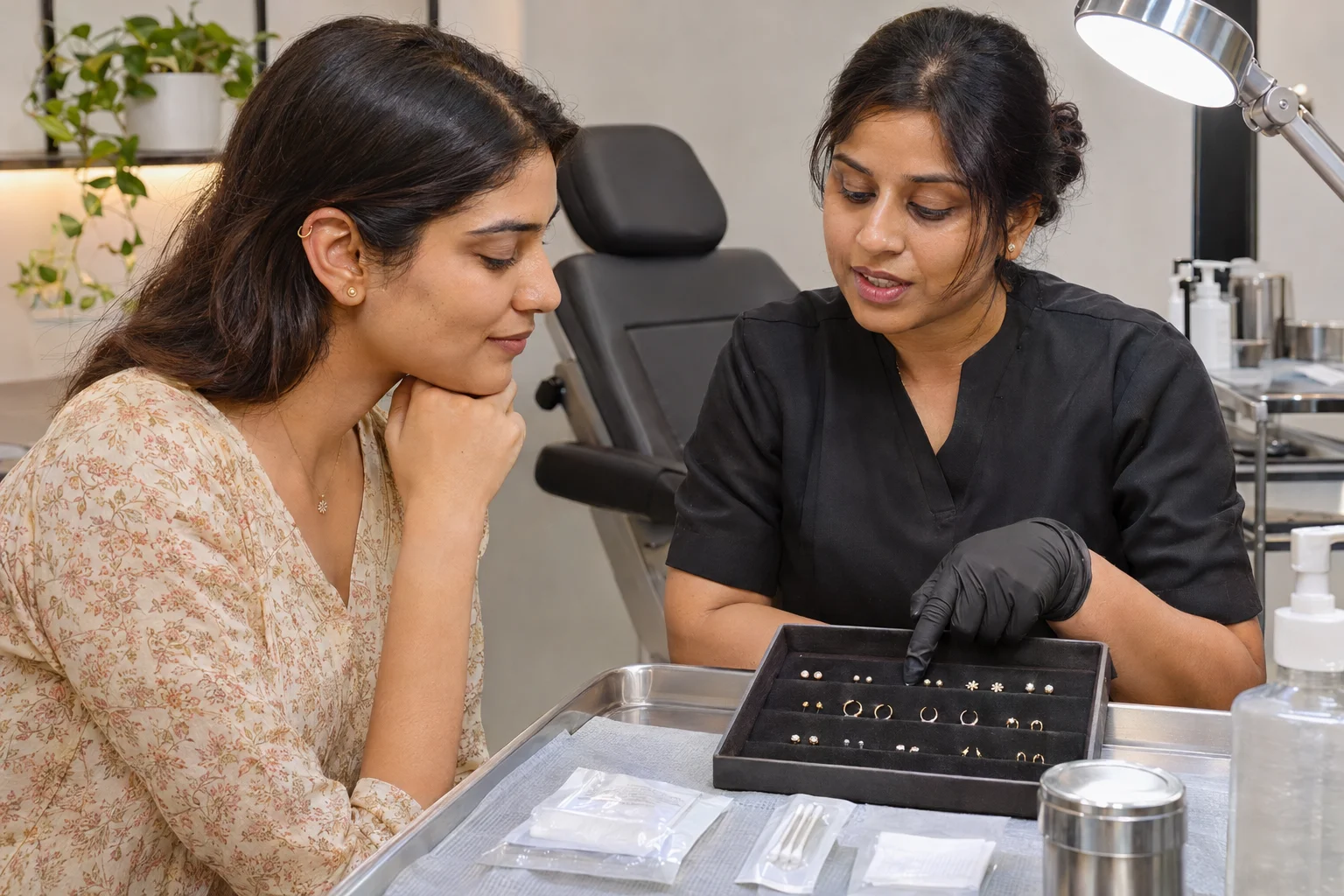
What lead generation means
Lead generation is the combined work of every channel that brings in a new enquiry, whether from search, adverts, referrals or a stall at an exhibition. GullySales runs these channels together and reports the number of enquiries each one produced, not the activity behind it.
Plan the next part of the work
Last updated 21 Nov 2026.
For piercing studios
Where it usually goes wrong, and what we would do.
“The enquiry arrives as a fear, not a request”
The sender rarely writes 'book me a slot'. They write 'is it painful' or 'do you use a gun'. A studio that treats these as sales leads and answers the worry first, then offers a time, keeps the chat alive where a price-only reply ends it.
“Leads come from four doors and get four different replies”
A Maps call, an Instagram message, a parent on WhatsApp and a walk-in from the mall each want something different. Without a note of which door they used, the counter answers all four in the same flat way and cannot tell which door is worth feeding.
“The ticket is small, so the cost of a lead has to be small”
A piercing and a stud is a modest bill. Paying heavily for each enquiry, or spending a piercer's afternoon answering idle questions, eats the margin. The sums only work when the lead arrives with some trust already built.
“Repeat piercings are the cheapest leads you own”
Someone who had an ear done last year will come back for a cartilage piercing if they are asked. Studios rarely write to past customers, so the best source of new bookings sits unused in the phone's chat list.
What we do
What we deliver for piercing studios.
The work available for this need. We agree the deliverables and responsibilities for your engagement in writing.
A map of where enquiries start
A simple record of each enquiry: the door it came through, the piercing asked about and whether a slot followed.
Result: You can see which door brings booked slots, not just messages.
A first reply for each worry
Short written answers to the needle question, the pain question, the age question and the price question, in your voice.
Result: Anyone at the counter replies the same way at ten at night.
A landing page per piercing type
One page each for ear, cartilage, nose and children's piercing, so an ad or a reel points to the exact service.
Result: A search for nostril piercing lands on a page about nostril piercing.
A past-customer list worked properly
Everyone you have pierced, grouped by what they had done and what they might want next.
Result: A dated list you can message for a festive offer or a stud upgrade.
A counter script for walk-ins
A few lines for taking a name and number from someone who browses the jewellery tray and leaves.
Result: Browsers become names on a list instead of vanishing.
How the result is measured
- Relevant enquiries by source
- Duplicate and unsuitable enquiries
- Time to the first response
- Accepted enquiries reaching an agreed next step
Recorded as a baseline before work starts, so every later report has an honest comparison.
What to capture or send
What a piercing studio should note from the first message.
- Which piercing is wanted
- Lobe, helix, nostril, septum or navel. The answer sets the piercer, the jewellery and the price, so ask it before any number is sent.
- First-timer or repeat
- A first piercing needs reassurance and a calm reply. A repeat customer asks about the piercer and a slot, so the two replies differ.
- Age and who is booking
- If the client is a minor, record the parent or guardian on the thread. Rules on consent differ, so check them with your own adviser.
- Jewellery wish
- Stud, ring or a style from a photo. It lets the counter pair the service with a stud choice in the first reply.
- Where the message came from
- Maps, a reel, a mall walk-in or a friend. It shows which door brings people who actually turn up.
Who it is for
This is written for these piercing studios.
- Ear piercing studios for adults and teenagers
- Kids' ear piercing studios and baby-friendly rooms
- Cartilage and helix piercing specialists
- Nose piercing studios for nostril and septum work
- Navel and body piercing studios
- Piercing counters inside tattoo studios
- Mall kiosks and studios in jewellery stores
- Body jewellery boutiques that pierce on site
Before you decide
When this may not be the right fit.
- Your piercer has no free slot to offer a new enquiry, so more messages would only be answered with a wait.
- You have no written price for the service with jewellery, so each lead would meet a different answer.
Before you decide
Agree the work. Know how to judge it.
Lead generation for piercing studios: use these checks to prepare, choose the scope, and review what changes.
Bring the right evidence
Define the organisations or buyers you can serve and the reasons they would consider a conversation. Bring examples of accepted and rejected prospects so the selection rule is visible.
Make the scope clear
Agree the research sources, contact approach, qualification rules, and handover. Clarify which meetings count as accepted and what happens to replies that are not ready to buy.
Check the work in use
Review why a prospect was selected and what was learned from the response. Count held, relevant conversations separately from contacts found, messages sent, or meetings booked.
Know when to change course
If the same objection appears repeatedly, adjust the offer or buyer group before increasing outreach. Respect a request to stop contact and keep the exclusion in the record.
These are discussion points, not a fixed package. GullySales confirms the deliverables, responsibilities, fee, and term in writing after reading your brief and speaking with you.
Before we start
What to have ready before the work starts.
The records, access and decisions this work needs from piercing studios. Anything missing is noted in the written scope, with who will supply it.
- The last two months of chats and messages
- The replies are written from the questions your customers really ask, so we need a sample of the conversations on the studio phone and Instagram, with names and numbers covered. If chats were cleared, we write from your memory of the questions, and the first weeks of use become the record.
- A count of booked slots and walk-ins
- Any claim about lead sources needs a starting figure. Bring the appointment diary, the booking sheet or your best count of bookings and walk-ins for a recent stretch. If nothing was written down, we start the count now and read the first weeks as the baseline.
- Your piercer's account of what the studio does
- Pages and replies describe the studio's practice, so the piercer must say how the room is prepared, which tools are used and what aftercare is given. A rough account is enough. Without it, we write only what is on the counter and leave out the process.
- Consent to contact past customers
- Messaging past customers needs their agreement. Tell us how you asked and where it is recorded. If there is no record, the past-customer list starts empty and grows with every new booking, which is slower but safe.
- Photographs of the room and the jewellery
- Landing pages and replies lean on real pictures of the room, the counter and the studs and rings you stock. Bring recent ones, with no customer faces unless they agreed. If there are none, we plan a short photo session before pages go live.
How it works
How the lead generation work runs
The work itself, in order. How an engagement starts, from your brief to a written scope, is set out on our method page.
- 1
Read the last chats that went quiet
We open the studio's recent chats and direct messages, with names covered, and mark the ones that stopped after the price or after a question about pain or safety. You tell us which of those people you think were serious. What exists is a short list of the moments where an enquiry is lost, and each moment gets its own reply later in the work.
- 2
Tag every way a person reaches the counter
We list the doors: a Maps search from the mall, an Instagram message, a walk-in with a friend, a parent's call, a jewellery customer who asks about piercing. You confirm which ones really bring people. Each door gets a tag on the enquiry list, so the studio can later say which one fills the appointment book and which one only fills the chat box.
- 3
Write one first reply for each worry
We draft short replies for the worries that open an enquiry: whether it hurts, whether the tools are new for each person, which metal is used, what a child should expect. You rewrite each in your piercer's own manner and strike out anything the studio does not do. The replies explain the studio's practice and never promise how a piercing will feel or heal.
- 4
Build one page for each piercing
We make a single landing page for each piercing the studio offers, such as lobe, helix or nostril, written from your piercer's account of the work and showing the jewellery that goes in. You approve the photographs and agree which pages go live first. Each page ends in a message button, so a searcher arrives with a specific piercing in mind.
- 5
Work the list of past customers
We take the customers already in the register or the chats and sort them by what they had pierced and what jewellery they bought. You decide who should hear from the studio and who should be left alone. The list then gives you people who may want a second piercing or a new stud, and it is the cheapest source of enquiries you own.
- 6
Read the sources against the first count
We compare the tagged enquiries, the booked slots and the repeat piercings against the counts taken before the work began. You tell us which slots were kept and which were missed. The result shows which door brought booked customers and which brought chatter, and each door is kept or dropped on that evidence.
Where this fits
Three pieces of sales work, in this order.
This work sits inside sales process design, at stage 1, prospecting and lead generation. The audit comes before it, and sales management keeps it running.
Step 1
Sales audit
Find where deals are being lost and what to fix first.
Start here if you cannot say where orders are lost.
Step 2 · you are here
Sales process design
One written way to sell, from first enquiry to repeat order.
Start here if every salesperson sells differently.
Step 3
Sales management
A target, a review routine and someone who owns the number.
Start here if the team has targets and no routine.
FAQ
Questions owners ask before they call.
Not here? More answers, or ask on WhatsApp.
Should we pay for ads or build organic enquiries first?
How do we stop price-only enquiries wasting the piercer's time?
Can you promise a number of leads?
Why do piercing leads vanish after the price?
Who replies when a lead arrives in the evening?
Can the studio ask for an advance to hold a slot?
How long is the contract?
How soon will we see results?
Who will actually do the work?
What do you need from us?
More for piercing studios
Related work to consider.
Closest to this: leads and follow-up
Also for piercing studios
Or start from the overview: sales and marketing for piercing studios.
Your next practical step
Tell us what you are trying to grow, and we will read it before we call.
Eight short steps, mostly taps. Skip anything you would rather answer on the call.