Piercing studios · Search engine optimisation
Rank for the exact piercing a person types, not for the word 'piercing' alone.
SEO for a piercing studio is making your pages the answer when someone searches for a specific piercing, a price question or an aftercare worry. GullySales works on the pages, the wording and the structure behind those searches, and does not promise a position.
Scope, fee, reporting and term are agreed in writing after we have read your brief and spoken to you.
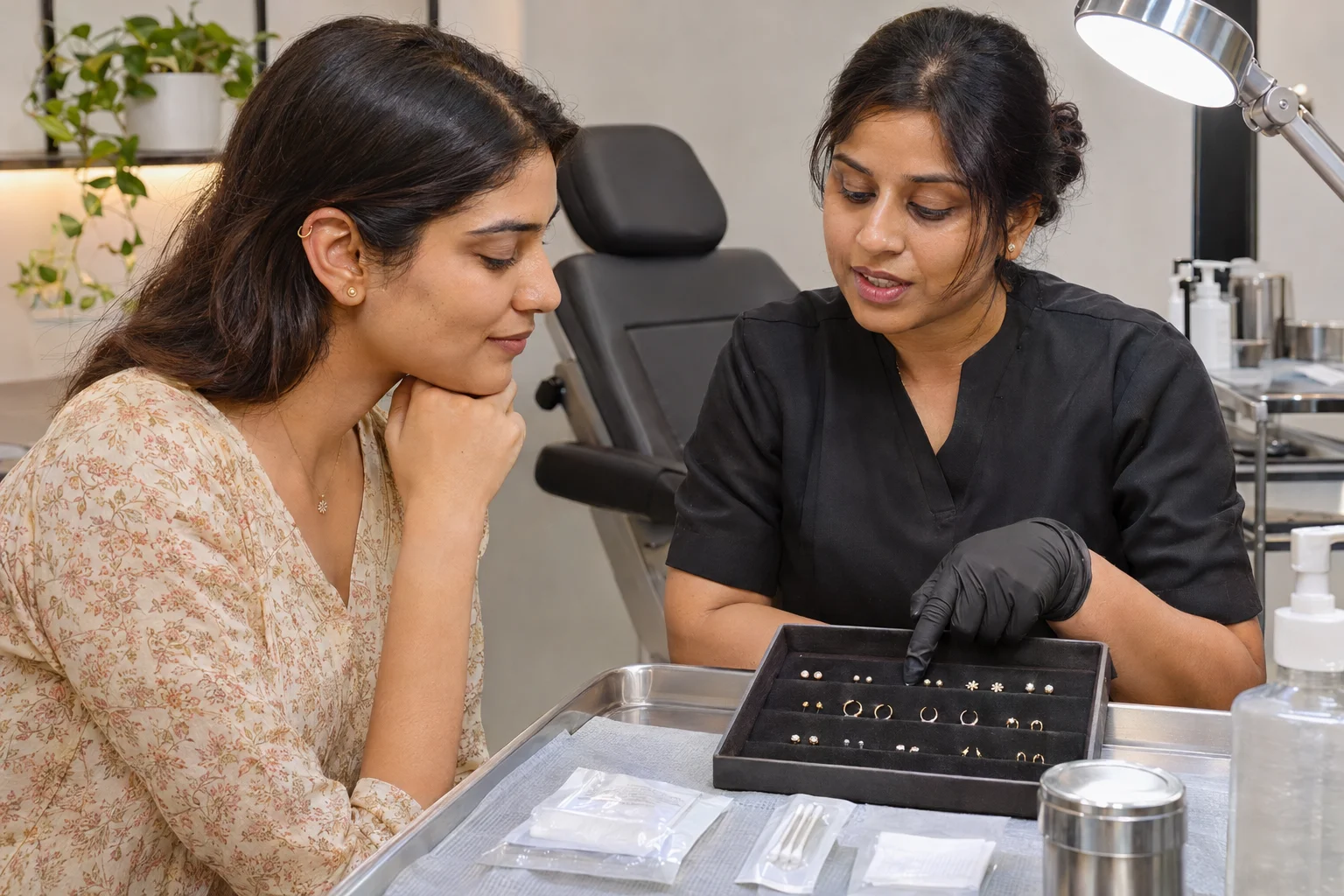
What search engine optimisation means
Search engine optimisation (SEO) is the work of getting your website to appear when a buyer searches Google for what you sell. GullySales builds pages around real search terms, fixes technical issues that block ranking, and tracks which searches actually bring enquiries.
Last updated 14 Nov 2026.
For piercing studios
Where it usually goes wrong, and what we would do.
“People search by piercing, not by trade”
Searches are for helix, tragus, nostril, septum or a child's first ear piercing. A single page called Services cannot answer all of them. One page per piercing, written for that search, gives the studio a reason to appear for each.
“Aftercare searches arrive after the sale”
Customers search 'nose piercing swelling' days after the visit. An aftercare page with plain steps, and a line on when to see a doctor, is read by existing customers and by strangers weighing up which studio sounds careful.
“A tattoo-and-piercing page confuses the search engine”
When one page covers tattoos, nail art and piercing, it ranks for none of them. Separate pages with their own headings and photographs tell the search engine, and the reader, which service is the studio's strength.
“Copied jewellery descriptions rank nowhere”
A catalogue that repeats the supplier's text looks the same as every other seller. Writing the material, gauge, length and fit in your own words, from the stud you hold, gives pages the search engine has not seen elsewhere.
What we do
What we deliver for piercing studios.
The work available for this need. We agree the deliverables and responsibilities for your engagement in writing.
A page for each piercing
Ear, cartilage, nose, navel and children's piercing pages, each with who performs it, the jewellery that suits it and aftercare.
Result: Each piercing has its own address that a search can land on.
Titles and headings written from real searches
Page titles and headings built from the words customers type into search and into your Instagram messages.
Result: Your pages use the same words your customers do.
A hygiene page that earns links
One clear page on needles, sterilisation and jewellery material that salons, colleges and bloggers can point to.
Result: Something worth linking to exists on your site.
A jewellery catalogue in your own words
Material, size and fit written from the pieces you stock, with photographs taken in your studio.
Result: No catalogue text matches a supplier's page.
A search report you can read
The searches that brought visitors and the pages they reached, set beside the enquiries you recorded.
Result: You see which pages bring people who book.
How the result is measured
- Ranking positions
- Organic traffic
- Enquiries from organic search
Recorded as a baseline before work starts, so every later report has an honest comparison.
Searches your buyers type
Piercing searches and the page that answers each.
- ear piercing near me
- A service page for lobe piercing with the studio address, the stud choices and a booking button.
- helix piercing cost
- A page for the cartilage piercing that explains what the price covers and links to the piercer.
- nose piercing studio
- A page for nostril and septum work with photographs of the room and the jewellery tray.
- kids ear piercing
- A separate page for children, with the parent's role, the room and the stud options written plainly.
- piercing aftercare
- A page that carries the routine your studio gives, with a line sending concerns to a doctor.
Who it is for
This is written for these piercing studios.
- Ear piercing studios for adults and teenagers
- Kids' ear piercing studios and baby-friendly rooms
- Cartilage and helix piercing specialists
- Nose piercing studios for nostril and septum work
- Navel and body piercing studios
- Piercing counters inside tattoo studios
- Mall kiosks and studios in jewellery stores
- Body jewellery boutiques that pierce on site
Before you decide
When this may not be the right fit.
- Your studio has no written aftercare routine to publish, and a page would have to borrow someone else's words.
- The piercer has not agreed to be named or photographed, so pages would lack the person buyers look for.
Before you decide
Agree the work. Know how to judge it.
SEO for piercing studios: use these checks to prepare, choose the scope, and review what changes.
Bring the right evidence
Bring the pages for the products or services you want to sell, the search queries available in your reports, and examples of enquiries from search. Separate branded searches from buyers discovering you for the first time.
Make the scope clear
Agree which pages and technical fixes come first, who can publish changes, and who supplies subject knowledge. Link search work to a relevant enquiry route on each priority page.
Check the work in use
Follow the trail from a relevant query to its landing page and then to an enquiry. Review whether those enquiries fit your offer, alongside indexing and search visibility.
Know when to change course
A ranking movement alone is not a buying signal. If traffic grows but relevant enquiries do not, revisit page intent and the offer before producing more pages.
These are discussion points, not a fixed package. GullySales confirms the deliverables, responsibilities, fee, and term in writing after reading your brief and speaking with you.
Before we start
What to have ready before the work starts.
The records, access and decisions this work needs from piercing studios. Anything missing is noted in the written scope, with who will supply it.
- Login to the website and its host
- Every change to titles and pages goes through the site's admin area. Bring the login or the name of the person who built it. If a developer holds the site, we write the text and they place it, and each change waits for them.
- Your piercer's list of services and jewellery
- Pages must match what the studio does and sells. Ask your piercer to list each piercing offered and the metals and styles stocked. If the list is incomplete, we write pages for the piercings you confirm and leave the rest.
- Photographs of the room and finished work
- Search pages carry pictures, and they should be your own, taken in your room. Bring originals from the phone. Customers' faces and healed ears appear only with their written agreement, and without pictures we begin with text and add images later.
- A decision on how to word aftercare
- Aftercare advice carries responsibility. Decide who signs off the wording, your piercer or a doctor you trust. Until someone does, the aftercare page stays unpublished and the other pages go ahead.
- Access to search tools if they exist
- If the site was ever linked to Google's search tools, the history shows what people already type. Add us as a user or send screenshots. Without it, the starting figures come from the first weeks of the new connection.
How it works
How the search engine optimisation work runs
The work itself, in order. How an engagement starts, from your brief to a written scope, is set out on our method page.
- 1
List every piercing the studio performs
We sit with your piercer and write the full list of piercings offered, from the lobe to the cartilage and nostril, with the ages and jewellery for each. You mark which ones you want more of and which you would rather not advertise. The list is the base for every page and every search we plan, so it is made from the studio and not from a tool. We also ask which piercings bring jewellery sales along with them, since those pages earn their place twice.
- 2
Look at what people already ask search engines
We type the piercing names, the price questions and the aftercare worries into search and note what appears and which pages answer them. You tell us the words your customers use that we may miss, including local ones. We finish with a list of searched phrases, each linked to a page that should answer it.
- 3
Separate the tattoo pages from the piercing pages
If the studio shares a room or a site with tattoo work, we look at how the pages mix the two and decide where to split them. You choose which name leads the site. The result is a piercing section that a search engine can read as its own subject.
- 4
Write the page titles and headings from real searches
We write the title, the heading and the opening lines of each piercing page using the phrases from the search list, in the piercer's plain manner. You read each one aloud and cut anything that sounds like an advertisement. The pages change one at a time, so we can see what moved after each change.
- 5
Draft the hygiene and aftercare pages with your piercer
We write the pages from your piercer's own account of room preparation and aftercare, and mark every sentence that gives advice. You and your piercer, or a medical adviser you trust, check each line before it appears. The pages describe what the studio does and tell readers to see a doctor for a medical concern.
- 6
Read the search report against the old figures
We compare the search impressions, clicks and the enquiries that name a page against the figures noted before the first change. You tell us which enquiries became bookings. The report shows which piercing pages draw visitors, and no position is promised in advance.
Where this fits
Three pieces of sales work, in this order.
This work sits inside sales process design, at stage 1, prospecting and lead generation. The audit comes before it, and sales management keeps it running.
Step 1
Sales audit
Find where deals are being lost and what to fix first.
Start here if you cannot say where orders are lost.
Step 2 · you are here
Sales process design
One written way to sell, from first enquiry to repeat order.
Start here if every salesperson sells differently.
Step 3
Sales management
A target, a review routine and someone who owns the number.
Start here if the team has targets and no routine.
FAQ
Questions owners ask before they call.
Not here? More answers, or ask on WhatsApp.
How long before the studio shows up on Google?
Is a website needed when the studio already has Instagram?
Is it safe to write about aftercare?
Should one page cover every piercing?
Can we copy jewellery descriptions from the supplier?
Should the site list prices for each piercing?
How long is the contract?
Who will actually do the work?
What do you need from us?
What if we are not happy with the work?
More for piercing studios
Related work to consider.
Closest to this: search and visibility
Also for piercing studios
Or start from the overview: sales and marketing for piercing studios.
Your next practical step
Tell us what you are trying to grow, and we will read it before we call.
Eight short steps, mostly taps. Skip anything you would rather answer on the call.