Notes for owners · Digital marketing
Selling earbuds, speakers and headphones online: what buyers trust when they cannot hear it
How buyers choose earbuds, speakers, and headphones they cannot hear first: reviews from people like them, honest battery figures, fit, a short demo video, and a plain line on who should not buy it.
The GullySales team · Updated 17 Oct 2026 · 6 min read

On this page
Your earbuds sound good at the counter, and online they collect three-star reviews that call them average. Buyers cannot hear earbuds, speakers or headphones before they pay, so they decide on other people. They read reviews from buyers who use the product the way they will. They want a battery figure they believe, proof the buds stay in, and a sense of how calls sound in traffic. A short demo video and an honest line on who should not buy the product give a buyer more to go on than a description of the sound.
What does a buyer trust when they cannot hear it?
Not the adjectives, since "deep bass" and "crystal clear" sit on every listing. Sort your own reviews instead. Say a pair has forty reviews: group them by what the buyer used it for. If the call and commute buyers give four stars, the gym buyers give two, and three mention a case lid that will not stay shut, you have found what to fix and whose reviews a new buyer should see first. Buyers do the same sort in their heads. They trust:
- Reviews from someone who bought it for the same use: the commute, the gym, office calls, a balcony speaker.
- Battery life stated as the brand states it, with noise cancelling on and off, and how many charges the case holds.
- Fit, shown on a real ear.
- How calls sound, which many listings skip and people who work from home ask about first.
- Whether it connects to their phone, laptop or television, and to two of them at once.
Copies of branded audio are on sale, so the genuine question sits under all of these. A buyer who suspects a copy will not believe anything else on the page.
The listing checklist
Run through this before any audio listing goes live, on your own site or a marketplace.
- The use, in the first line: "for calls and the commute", "for a bedroom", "for running".
- Battery figures exactly as the brand states them, with the conditions, never rounded up.
- Ear tip sizes in the box, and the shape (stem, bud or ear hook) photographed on an ear.
- For headphones: weight, how tightly they clamp, and whether they press on spectacles.
- For speakers: the room or space it suits, and the water resistance rating if the brand states one.
- Connection: Bluetooth version, whether it pairs with two devices at once, the app, and any wired option.
- Microphones, and a sample call recorded outdoors.
- Gaming and video: a low-latency mode if there is one, and no claim of one if there is not.
- Warranty: brand or seller, and how a claim works.
- One line on who should not buy it.
Say which ears, rooms and calls it is wrong for
A bass-heavy pair bought for podcasts gets three stars for "muddy sound", so put the wrong uses next to the price. Write them like this (the same idea applies to laptop spec pages):
Not for: running or the gym. The buds sit loosely without an ear hook, so choose our ear-hook model instead.
Not for: a large hall or an outdoor party. This speaker suits a bedroom or a small balcony.
Not for: long video calls if you wear spectacles. The ear cups press on the arms after an hour.
The demo video: six shots that answer the questions
You cannot record sound on a phone well enough for a buyer to judge it, so do not try. Film what the buyer is unsure about instead.
- The box opened, with everything in it laid out.
- The case opened and closed one-handed, and the buds going in.
- The buds in an ear, side on, then the wearer shaking their head or jogging on the spot.
- A call made on a busy road, with the other end of the call recorded.
- The app, if there is one, and what one tap, two taps and a hold do.
- For a speaker, the speaker in the room it suits, with something beside it for scale.
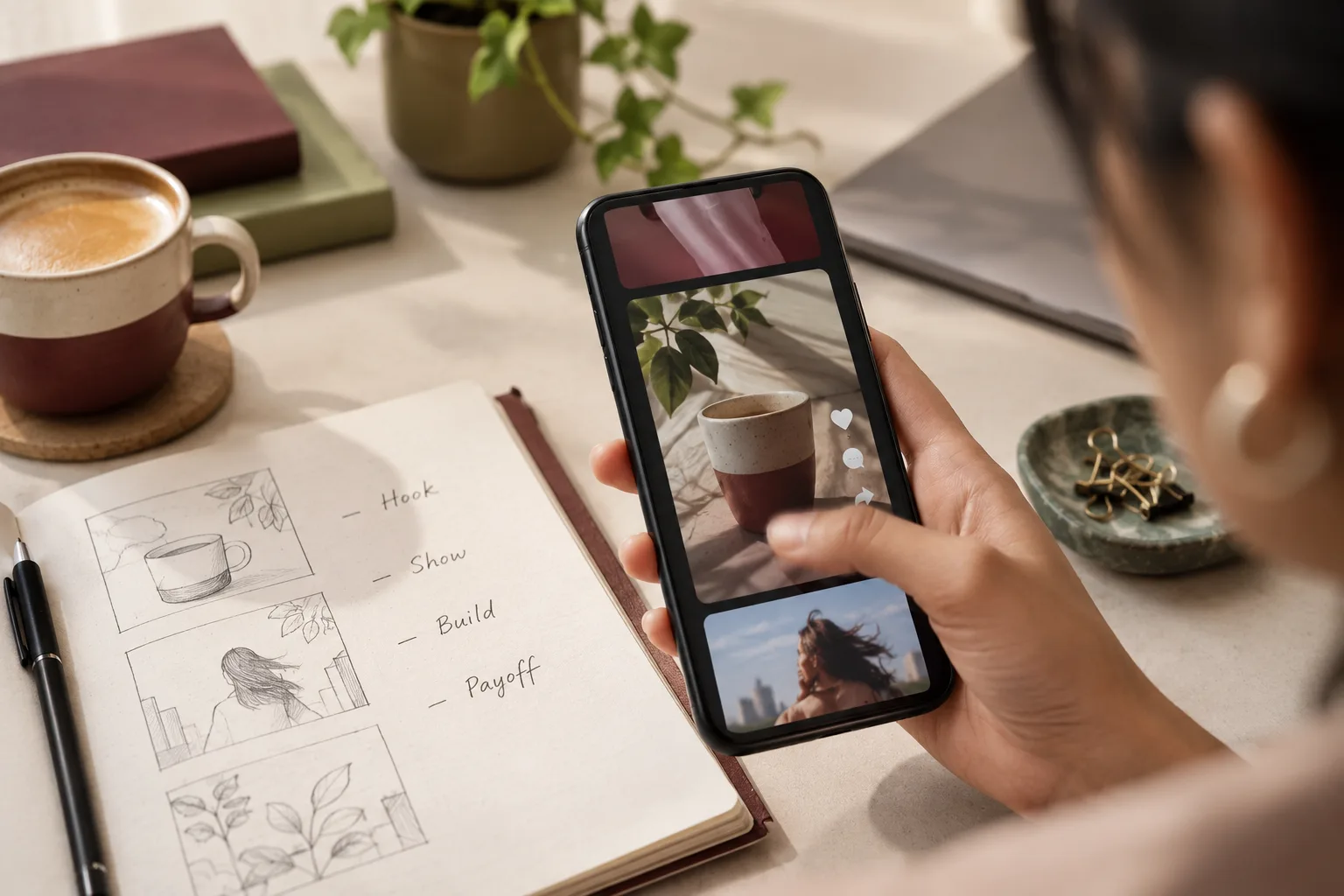
Cut it to under a minute so it works on the listing and as a reel.
Imagine: earbuds sold as gym earbuds
Imagine a young audio brand in Bhubaneswar selling its own earbuds on its website and on two marketplaces. The brand and figures are invented. Its main image showed a runner, and the title said "for sports and gym". The buds had short stems and no wing tips.
Reviews about fit arrived: "falls out when I run". Returns followed: at an invented ₹1,499 a pair, each returned set of opened earbuds was a total loss because the tips could not be resold. The brand replied politely to each review and changed nothing on the page, so the next runner bought them too.
So the brand stopped selling the buds as something they were not. Out went the runner. The title moved to calls and the commute, and a "not for running" line pointed to an ear-hook model the brand already stocked. The demo video showed a call on a busy road, where these earbuds were at their best. Gym buyers moved to the ear-hook pair, and new reviews on the original talked about calls.
Where a better page stops helping
A good page does not fix a product that is worse than its rivals at the same price. If buyers who use it for the right purpose still complain about the sound, the answer is in the product or the price, not the listing.
Decide the returns rule for opened earbuds before the first order and print it beside the price, because ear tips cannot be resold. Marketplaces set their own return rules for this category, so check the current ones.
On reviews, ask buyers after they have used the product for a while, through the platform's own request where there is one. Offer nothing in return. Check each platform's current rules before you ask.
What to do next
Take the pair you sell most and sort its one- and two-star reviews by what the buyer used it for. If the gym, the hall or the long call keeps turning up, that use goes into a "not for" line beside the price. Reshoot the main image for the use the product is good at. Audio sits with cameras and wearables among the electronics categories of selling online; if you want the listings and a demo through short-form video and reels production planned as one job, tell us what you need.