Automotive accessory dealers · Search engine optimisation
Be the page a buyer finds when they search for accessories for their own car.
SEO for an accessory shop is making sure a search for a car model and its accessories ends at your pages, with photographs of fitted vehicles of that model. GullySales works on the model pages, the accessory pages and the way both are written so a buyer and a search engine read the same thing.
Scope, fee, reporting and term are agreed in writing after we have read your brief and spoken to you.
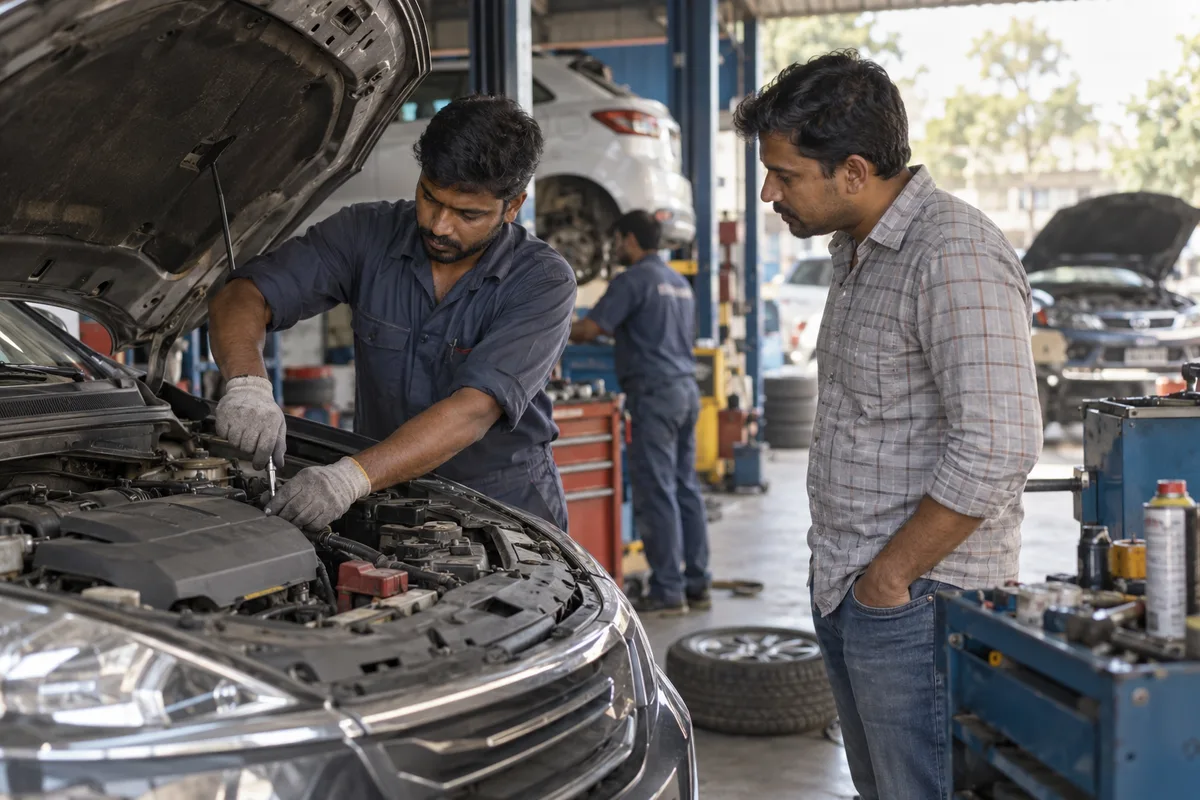
What search engine optimisation means
Search engine optimisation (SEO) is the work of getting your website to appear when a buyer searches Google for what you sell. GullySales builds pages around real search terms, fixes technical issues that block ranking, and tracks which searches actually bring enquiries.
Also for automotive accessory dealers
Sales and marketing for automotive accessory dealers, the overview.
Last updated 18 Oct 2026.
For automotive accessory dealers
Where it usually goes wrong, and what we would do.
“Buyers search by model, not by trade”
The owner types the car name with seat covers or a dash camera, not the word dealer. A shop with one page called Services has nothing to show for that search, while a shop with a page per model has the answer.
“A gallery is not a page”
Photographs dropped into an album have no text beside them, so a search engine cannot tell the model, the accessory or the city. The same photographs with a caption, a list of items fitted and the bay's location become a page that can be found.
“Brand names carry the search”
Buyers know the names of mats, cameras and music systems they have seen on a friend's car. Pages that name the brands stocked and fitted match the words the buyer types and answer the question about quality.
“Warranty worry is a search too”
Before booking, the owner searches whether a fitment affects the car's warranty. A plain page that says to check the booklet with the showroom, and lists what the shop fits to the maker's terms, meets that worry in the open.
What we do
What we deliver for automotive accessory dealers.
Every deliverable, what it covers for you, and the result it is there to produce. Nothing here is an extra.
Model page plan
A list of the models you fit most, each with a planned page, photographs, accessory options and starting ranges.
Result: You can name the models that have a page and the ones that do not.
Accessory pages
One page each for seat covers, floor mats, dash cameras, music systems, body kits and wraps, written from your own job notes.
Result: Each accessory you sell has its own page with real fitted photographs.
Titles and descriptions
A page title and summary written in the words a buyer types, with the model and the city.
Result: Each page title names the model, the item and the city.
Photograph captions and file names
Finished-job photographs named and captioned by model and accessory, registration plates hidden.
Result: No fitted-car photograph sits on the site without a caption.
Internal links between pages
Model pages link to the accessory pages and back, and each links to the quote button.
Result: A buyer can move from a model to an item to a quote in a few taps.
Search position and enquiry check
Where the pages appear for the model searches you care about, set beside the enquiries that mention the page.
Result: You can see which pages bring a message and which do not.
How the result is measured
- Ranking positions
- Organic traffic
- Enquiries from organic search
Recorded as a baseline before work starts, so every later report has an honest comparison.
Who it is for
This is written for these automotive accessory dealers.
- Car accessory and modification shops
- Two-wheeler accessory shops
- Audio and infotainment installers
- Seat cover and interior upholstery shops
- Dash camera and security device installers
- Body kit and wrap studios
- Commercial vehicle and taxi accessory suppliers
- Showroom-attached accessory counters
How it works
How the search engine optimisation work runs
The work itself, in order. How an engagement starts, from your brief to a written scope, is set out on our method page.
- 1
Audit and baseline
We record where the site stands today: positions, traffic, technical faults and the enquiries search currently produces. Nothing starts until this number is written down.
- 2
Decide what to rank for
We map the searches your buyers use, in your words and theirs, and pick the ones worth the effort for your margin and your capacity.
- 3
Fix the foundations
Technical faults first, because the cheapest gains are usually there. Then the Business Profile and directory consistency.
- 4
Build the pages
A page for each thing you do, written to answer the question it is searched for, with a clear next step at the end.
- 5
Publish and earn mentions
Content goes out on the calendar. Links and mentions are earned from real relationships, not bought.
- 6
Measure, report, adjust
At the interval agreed at the start we report what moved and what did not, and change the plan when the numbers say so.
Where this fits
Three pieces of sales work, in this order.
This work sits inside sales process design, at stage 1, prospecting and lead generation. The audit comes before it, and sales management keeps it running.
Step 1
Sales audit
Find where deals are being lost and what to fix first.
Start here if you cannot say where orders are lost.
Step 2 · you are here
Sales process design
One written way to sell, from first enquiry to repeat order.
Start here if every salesperson sells differently.
Step 3
Sales management
A target, a review routine and someone who owns the number.
Start here if the team has targets and no routine.
FAQ
Questions owners ask before they call.
Not here? More answers, or ask on WhatsApp.
How many model pages should we make?
Is SEO better than ads for a shop like ours?
Can we copy descriptions from the brand sites?
How much does it cost?
How long is the contract?
How soon will we see results?
Who will actually do the work?
What do you need from us?
What if we are not happy with the work?
More for automotive accessory dealers
Everything else we would do for you.
Closest to this: search and visibility
Also for automotive accessory dealers
Or start from the overview: sales and marketing for automotive accessory dealers.
Your next practical step
Tell us what you are trying to grow, and we will read it before we call.
Eight short steps, mostly taps. Skip anything you would rather answer on the call.