Automotive accessory dealers · Buyer persona
Know whether the person at the counter wants comfort, a look or a lower bill.
A buyer persona for an accessory shop is a written picture of one type of customer: what they drive, what they worry about and who they listen to before buying. GullySales works with you to build these from your job cards and chats, so each type gets its own message.
Scope, fee, reporting and term are agreed in writing after we have read your brief and spoken to you.
What buyer persona means
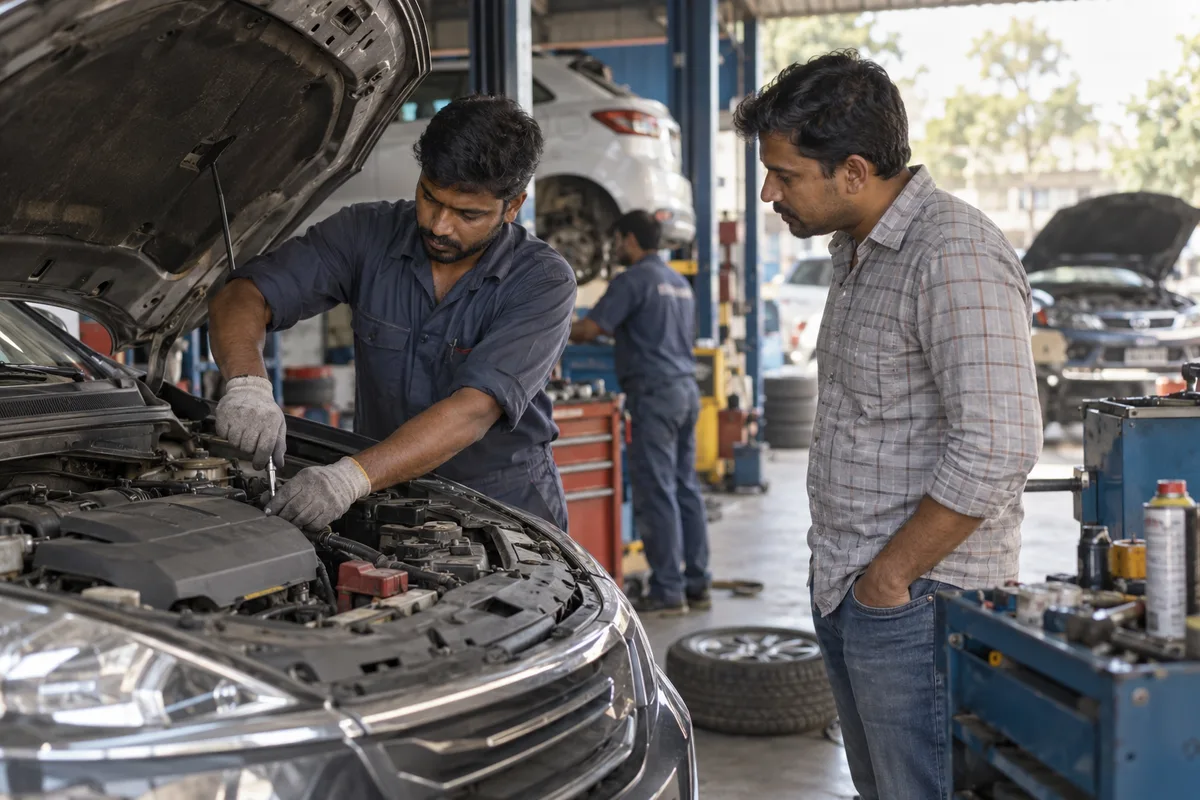
A buyer persona is a plain description of the kind of customer who actually buys from you. It includes what they search, what worries them and who else they ask before deciding. GullySales builds this from real enquiries and past sales rather than a generic template, then uses it to write every page and advert.
Also for automotive accessory dealers
Sales and marketing for automotive accessory dealers, the overview.
Last updated 18 Oct 2026.
For automotive accessory dealers
Where it usually goes wrong, and what we would do.
“The new-car family buys protection and comfort”
Seat covers, mats and a camera for the family car, chosen against a budget and a worry about the warranty. They listen to the showroom salesman, relatives and the neighbour who bought the same model.
“The enthusiast buys the look”
Wraps, body kits, lighting and sound are bought for how the car appears and sounds. This buyer follows clubs and creators, wants to see finished work close up, and will pay for a shop whose work they have seen.
“The taxi or fleet owner buys durability”
Strong seat covers, simple mats and a low price per vehicle, bought for several cars at once. Reliability of supply and a clear invoice matter more than finish, and one fitted vehicle that holds up brings the next batch.
“The rider buys protection and carrying room”
Guards, mirrors, racks and bags for a motorcycle or scooter, chosen for touring or daily use. Riding groups and the shop's own social posts carry the word for this buyer. Photographs of a fitted bike, with the bag and the guard in place, answer the question this buyer asks.
What we do
What we deliver for automotive accessory dealers.
Every deliverable, what it covers for you, and the result it is there to produce. Nothing here is an extra.
Persona sheets
One page for each buyer type, listing the vehicle, the usual purchase, the worry and who influences the decision.
Result: Each buyer type has a written profile the staff can read.
Questions and objections list
The doubts each type raises, with a plain answer written beside each.
Result: A new staff member can answer the common objections the same way.
Message set per persona
An opening message, a photograph set and a price format suited to each buyer type.
Result: Different buyers receive different first replies.
Channel map
Where each type looks: search, Instagram, clubs, showrooms or word of mouth.
Result: You know where to place which message.
Job-card tagging
A buyer type noted on each job card so the mix of buyers is visible over time.
Result: You can count how many jobs came from each type.
Persona review against sales
The profiles checked against what was fitted and quoted, and rewritten where the facts differ.
Result: The personas match the buyers who actually came.
How the result is measured
- Enquiry match to persona
- Conversion rate by persona
- Content aligned to persona
Recorded as a baseline before work starts, so every later report has an honest comparison.
Who it is for
This is written for these automotive accessory dealers.
- Car accessory and modification shops
- Two-wheeler accessory shops
- Audio and infotainment installers
- Seat cover and interior upholstery shops
- Dash camera and security device installers
- Body kit and wrap studios
- Commercial vehicle and taxi accessory suppliers
- Showroom-attached accessory counters
How it works
How the buyer persona work runs
The work itself, in order. How an engagement starts, from your brief to a written scope, is set out on our method page.
- 1
Understand the current view
We start with how your team currently describes the customer, since the gap between belief and reality is often the finding itself.
- 2
Audit past enquiries and sales
We look at recent enquiries and closed deals to see who actually bought, not who was assumed to buy.
- 3
Interview customers and staff
Short, structured conversations surface the real language, worries and triggers behind a purchase.
- 4
Build the personas
Findings are written into short, usable persona documents rather than a long report.
- 5
Apply to your marketing
We show exactly where each persona should change a page, an ad or a script you already have.
Where this fits
Three pieces of sales work, in this order.
This work sits inside sales process design, at stage 0, foundation. The audit comes before it, and sales management keeps it running.
Step 1
Sales audit
Find where deals are being lost and what to fix first.
Start here if you cannot say where orders are lost.
Step 2 · you are here
Sales process design
One written way to sell, from first enquiry to repeat order.
Start here if every salesperson sells differently.
Step 3
Sales management
A target, a review routine and someone who owns the number.
Start here if the team has targets and no routine.
FAQ
Questions owners ask before they call.
Not here? More answers, or ask on WhatsApp.
How many personas do we need?
Where does the information come from?
Is a persona the same as a customer list?
How much does it cost?
How long is the contract?
How soon will we see results?
Who will actually do the work?
What do you need from us?
What if we are not happy with the work?
More for automotive accessory dealers
Everything else we would do for you.
Closest to this: strategy and research
Also for automotive accessory dealers
Or start from the overview: sales and marketing for automotive accessory dealers.
Your next practical step
Tell us what you are trying to grow, and we will read it before we call.
Eight short steps, mostly taps. Skip anything you would rather answer on the call.