Driving schools · Digital marketing
Put the school on the map, in the search results and in the chat, in that order.
Digital marketing for a driving school covers search, maps, social pages, ads and messaging, all aimed at learners in your locality. It works when each piece supports the next: a found profile, a clear page and a prompt reply. GullySales chooses the pieces your school needs and leaves the rest.
Scope, fee, reporting and term are agreed in writing after we have read your brief and spoken to you.
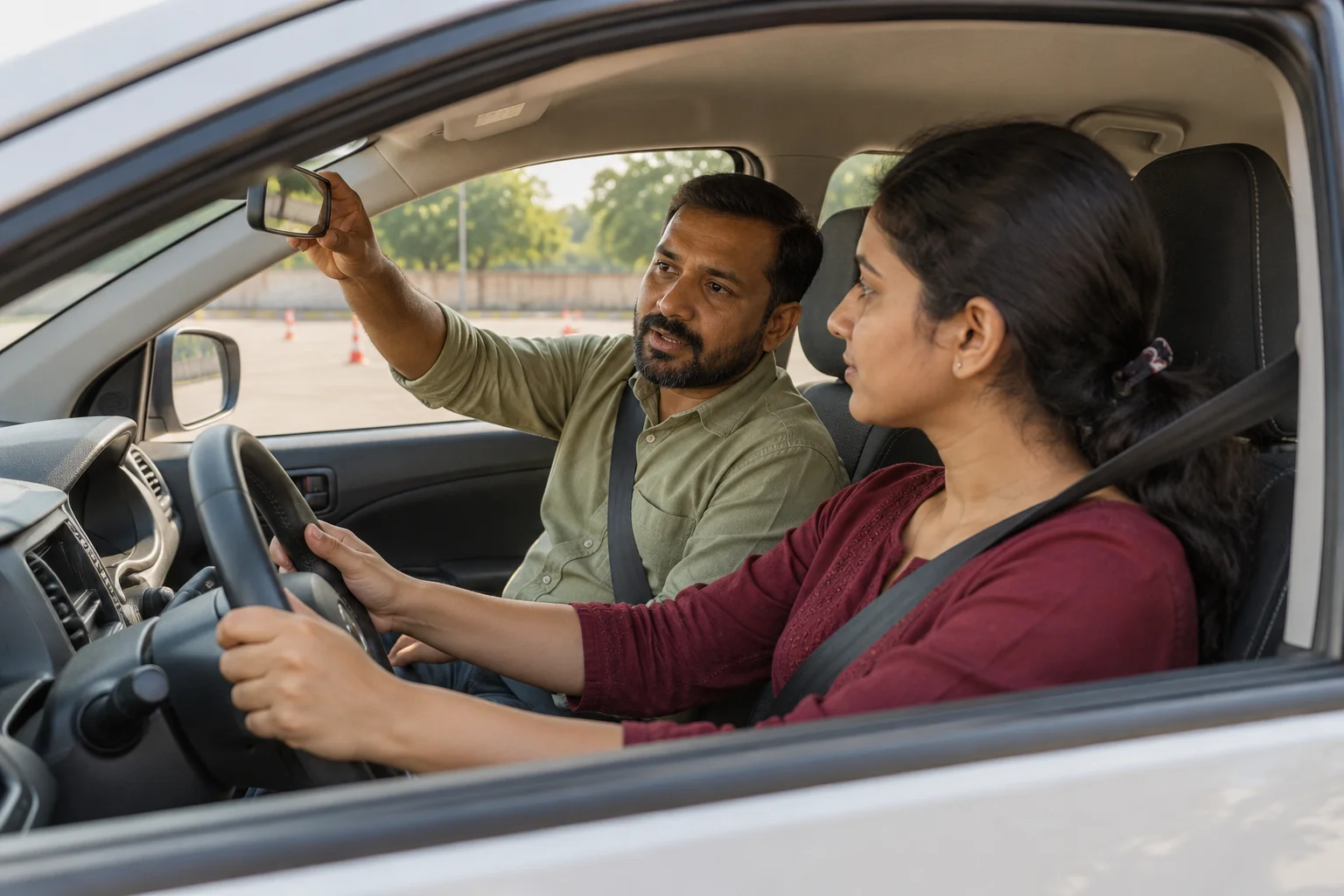
What digital marketing means
Digital marketing is the combined work of search, social media, advertising and website channels running together rather than as separate projects with separate people. GullySales runs these as one connected system so a change in one channel, such as a new offer, is reflected everywhere at once.
Last updated 14 Nov 2026.
For driving schools
Where it usually goes wrong, and what we would do.
“Spending on ads before the basics wastes it”
A paid click that lands on a page with no fee detail and a phone nobody answers is money lost. The profile, the pages and the reply routine come before any advertising budget.
“One channel will not carry a school”
Maps brings the nearby learner, search brings the planner and a showroom brings the new car owner. A school that depends on a single source is exposed when that source changes.
“Seasons shape the work”
Holiday batches, new car purchase weeks and exam breaks create bursts of enquiries. A plan that spends the same in every period misses the weeks that matter.
“Measuring the wrong thing misleads”
Likes and page views do not fill a batch. Enquiries by source, booked first sessions and completed courses tell the owner what to do next.
What we do
What we deliver for driving schools.
The work available for this need. We agree the deliverables and responsibilities for your engagement in writing.
A marketing plan for your locality
A written plan naming the channels, the audiences and the pieces of work, with a reason for each.
Result: The owner can see why each piece is in the plan.
Profile, pages and reply routine set up first
The base that every other channel depends on, built and checked.
Result: A click or a call lands somewhere that answers.
Targeted paid campaigns for chosen courses
Search and map ads for a course with space, aimed at the localities you cover.
Result: Ad spend is tied to a course and an area.
A seasonal calendar
A calendar of holiday batches, car purchase periods and exam breaks, with a campaign for each.
Result: The campaigns arrive when learners are looking.
A source-by-source count
A record of enquiries, bookings and completions by source, read with the owner.
Result: Decisions come from the count, not from a feeling.
How the result is measured
- Enquiries across channels
- Cost per enquiry overall
- Channel mix by contribution
Recorded as a baseline before work starts, so every later report has an honest comparison.
Searches your buyers type
The school's channels should answer the searches within reach of its cars.
- driving school near me
- The map profile, kept complete, with a phone that is answered.
- learn car driving course duration
- A course page that states what the course covers and does not promise a time to learn.
- driving school fees
- A fee page matching the price sheet, with what is included in each course.
- automatic car training near me
- A page for the automatic course with the vehicle, the instructor and the batch timings.
- driving school for ladies by lady instructor
- A page for women learners naming the instructor and the pick-up area, with consent.
- driving test preparation
- A page on the ground session and documents checklist the school offers before the test.
Who it is for
This is written for these driving schools.
- Car driving schools teaching first-time learners
- Two-wheeler and scooter training schools
- Women-only driving instruction
- Refresher courses for those who hold a licence but fear the road
- Automatic transmission and electric car training
- Driving schools that handle learner's licence and test booking support
- Heavy vehicle and commercial driver training
- Corporate and fleet driver training
Before you decide
When this may not be the right fit.
- The school has no spare car or instructor this season, and paid reach would only draw learners to a waiting list
- The map profile is incomplete and the website has no fee page, so advertising would send people to a page that cannot answer them
- You are in a small town where showrooms and word of mouth bring every learner, and paid ads would add little
Before you decide
Agree the work. Know how to judge it.
Digital marketing for driving schools: use these checks to prepare, choose the scope, and review what changes.
Bring the right evidence
Bring a recent won order and an enquiry that went nowhere. Trace how each buyer found you, what they asked, and who handled the next step. A channel list alone will not explain the difference.
Make the scope clear
Choose one offer and one buyer group first. Agree which part needs attention: being found, getting a useful enquiry, or turning an enquiry into an order. Separate recommendations from the work required to carry them out.
Check the work in use
A useful plan names the first change, its owner, the evidence behind it, and the number that will show whether it worked. Ask what has deliberately been left out and why.
Know when to change course
If your team cannot answer the enquiries it already receives, improve that handover before buying more traffic. If the offer itself is unclear, test it with buyers before adding channels.
These are discussion points, not a fixed package. GullySales confirms the deliverables, responsibilities, fee, and term in writing after reading your brief and speaking with you.
Before we start
What to have ready before the work starts.
The records, access and decisions this work needs from driving schools. Anything missing is noted in the written scope, with who will supply it.
- Access to the profile, site and any ad accounts
- Administrator access to the map profile, the website and any advertising account. If an old vendor holds them, ask them to add us. Without access we can only audit from outside, which means we list faults you must then fix yourself, and the first advert waits until someone with the logins has acted on the list.
- A statement of seats by course and batch
- A statement of which courses have seats this season, by batch and car. Promoting a course that is full disappoints learners and costs money. If the sheet changes during the season, tell us the day it changes. Without it we choose courses to promote from your enquiry notes alone, and the choice may be wrong.
- A budget you approve in writing
- A spending limit for paid promotion, and the name of the person who signs it off. We shape the plan to that limit. If you have not decided, unpaid routes come first, and we show you what the profile, the pages and the replies brought in before any money moves to adverts.
- A person who answers every enquiry
- Someone at the desk to reply to every call and message on working days, with a substitute for leave. Adverts bring enquiries, and an unanswered enquiry is the costliest part of the work. If nobody can be named, we advise delaying paid promotion until the reply routine can be kept.
- A note of how learners found you so far
- A rough account of where recent learners came from: Maps, a friend, a showroom, a school, a walk-in past the office. Even a guess from the manager helps. It is the starting point we compare against at the end, and without it we cannot say whether anything changed.
How it works
How the digital marketing work runs
The work itself, in order. How an engagement starts, from your brief to a written scope, is set out on our method page.
- 1
Look at the school as a learner would
We search for you on a phone from your locality and open the profile, the website, the social pages and the messages, as a learner would. We note what a learner finds, what is wrong or missing and how long a reply takes to arrive. You tell us how learners find you today and which source you trust. This shows which pieces are missing and which are already doing their work.
- 2
Fix the profile, the pages and the reply first
Before any advert, we complete the map profile, put the course pages and fee sheet right and agree how every enquiry is answered and by whom. You approve the changes. An advert that lands on an incomplete page or an unanswered phone wastes the spend, so these come first, and the adverts wait until the desk can reply to each call and message in the same working day.
- 3
Choose the courses worth paid promotion
With your manager we choose the courses to promote with adverts: the ones with empty seats and a clear kind of learner. A refresher course for nervous drivers may suit paid promotion, while a heavy vehicle course may need a different route through trade contacts. You decide the spend in writing, and we set it against the seats you can actually fill, not against a wish.
- 4
Write the seasonal calendar with the desk
We mark the months when enquiries rise, such as after school results, before college begins, in a car-buying season or before a festival, using what the desk has noticed. The calendar sets when pages are refreshed, when posts go up and when adverts run. It also marks the quiet months, when we spend nothing and use the time to improve the pages.
- 5
Set the adverts around the practice ground
We aim adverts at the localities within reach of your practice ground, with copy that names the course and the area. You approve the wording and the images. Adverts never promise a licence or a pass, and they carry no learner's face without consent. We set the first run small and review with the desk what kind of calls it brings, before any widening.
- 6
Count enquiries and bookings by source
After a season we count enquiries and bookings by source against the figures recorded before the work began, with the desk marking where each learner heard of you. Walk-ins and family referrals are counted as well, so no source is missed. You decide what to continue, what to stop and where to put the next effort. We promise no number of bookings.
Where this fits
Three pieces of sales work, in this order.
This work sits inside sales process design, at stage 0, foundation. The audit comes before it, and sales management keeps it running.
Step 1
Sales audit
Find where deals are being lost and what to fix first.
Start here if you cannot say where orders are lost.
Step 2 · you are here
Sales process design
One written way to sell, from first enquiry to repeat order.
Start here if every salesperson sells differently.
Step 3
Sales management
A target, a review routine and someone who owns the number.
Start here if the team has targets and no routine.
FAQ
Questions owners ask before they call.
Not here? More answers, or ask on WhatsApp.
What budget does a driving school need?
Is digital marketing worth it in a small town?
Do we need a new website to start?
Should we run ads in the car-buying seasons?
How much should a small school spend on adverts?
Will digital marketing work in a small town?
How long is the contract?
How soon will we see results?
Who will actually do the work?
What do you need from us?
More for driving schools
Related work to consider.
Closest to this: strategy and research
Also for driving schools
Or start from the overview: sales and marketing for driving schools.
Your next practical step
Tell us what you are trying to grow, and we will read it before we call.
Eight short steps, mostly taps. Skip anything you would rather answer on the call.