Payment service providers · Follow up systems
Chase the stalled merchant with a reason, not a reminder.
A follow-up system for a payment service provider is the set of messages, calls and tasks that move a merchant from a signed form to a first live payment. GullySales writes the sequence for each stage and sets it up so nobody is left waiting without a reason.
Scope, fee, reporting and term are agreed in writing after we have read your brief and spoken to you.
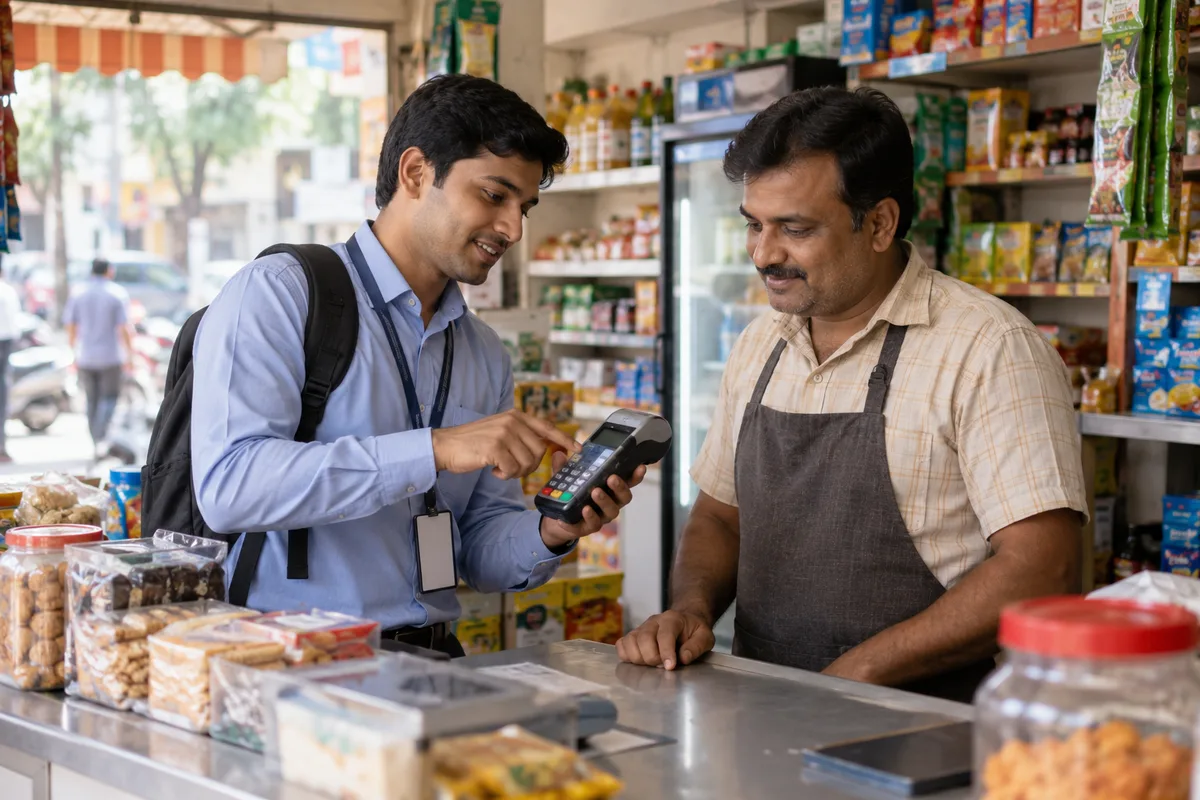
What follow up systems means
A follow-up system is the set routine for calling, messaging or emailing an enquiry more than once, since most buyers do not decide on the first conversation. GullySales sets the number and timing of follow-ups so an undecided buyer keeps hearing from you until they decide either way.
Also for payment service providers
- Lead generation for payment service providers
- CRM for payment service providers
- SEO for payment service providers
- Social media marketing for payment service providers
- Content marketing for payment service providers
- Buyer personas for payment service providers
- WhatsApp marketing for payment service providers
- Digital marketing for payment service providers
Sales and marketing for payment service providers, the overview.
Last updated 18 Oct 2026. Rules for this trade differ by state and professional body, and they change. We describe restrictions in general terms, so check the current position with your own council or adviser before you publish anything.
For payment service providers
Where it usually goes wrong, and what we would do.
“The silence after signup is where merchants are lost”
Once the form is signed, the field executive moves on and the activation team waits for documents. The merchant hears nothing and concludes that the provider is not serious.
“A reminder that repeats itself is ignored”
A message asking for pending documents sent in the same words again and again is read once. A follow-up that names the exact missing document and how to send it is acted on.
“The right channel depends on the merchant”
A shop owner answers a call or a chat message, while a developer answers an email with a clear technical step. A single channel for every merchant leaves half of them unreached.
“A merchant who has not transacted needs a nudge after go-live”
An active account with no payments is still a lost merchant. The follow-up has to continue after activation until the first payment is made.
What we do
What we deliver for payment service providers.
Every deliverable, what it covers for you, and the result it is there to produce. Nothing here is an extra.
Stage-by-stage follow-up sequence
Messages and call prompts for each stage from documents to first payment, each naming the next step.
Result: Each stage has a ready follow-up with a clear ask.
Missing-document messages
Short messages that name the exact document needed and show how to send it.
Result: A merchant knows precisely what is pending.
Developer follow-up track
Emails with sandbox steps and common errors for merchants waiting on integration.
Result: A developer receives help at the point of difficulty.
First-payment nudge
A message and a call prompt for activated merchants who have not yet taken a payment.
Result: Activated merchants without payments are contacted.
Owner and reminder rules
A rule for who follows up, when a task is raised and when it moves to a manager.
Result: Every waiting merchant has an owner and a reminder.
How the result is measured
- Follow-up completion rate
- Average number of follow-ups before close
- Enquiries closed after repeat follow-up
Recorded as a baseline before work starts, so every later report has an honest comparison.
Who it is for
This is written for these payment service providers.
- Payment aggregators and gateways for online sellers and platforms
- UPI QR, soundbox and card machine providers for shops and restaurants
- Payment link and invoice collection providers for small sellers
- Merchant acquiring resellers and sales partners
- Payout and vendor payment platforms for marketplaces and businesses
- Bill payment and recurring collection providers for fees and subscriptions
- Cross-border payment providers for exporters and freelancers
- Providers that serve a single sector, such as schools, clinics or logistics
How it works
How the follow up systems work runs
The work itself, in order. How an engagement starts, from your brief to a written scope, is set out on our method page.
- 1
Measure today's reply time
From last month's enquiries, we measure how long each waited for a first reply and how many follow-ups it got.
- 2
Agree targets and the sequence
We set reply targets and the follow-up sequence with your team, based on its real hours and workload.
- 3
Set up templates, tasks and ownership
Templates, first-call questions, CRM tasks and named owners go live, with cover for leave and weekends.
- 4
Track and adjust every month
Reply time and follow-up completion are reported against the baseline, and the routine is changed where it is not kept.
Where this fits
Three pieces of sales work, in this order.
This work sits inside sales process design, at stage 2, qualification. The audit comes before it, and sales management keeps it running.
Step 1
Sales audit
Find where deals are being lost and what to fix first.
Start here if you cannot say where orders are lost.
Step 2 · you are here
Sales process design
One written way to sell, from first enquiry to repeat order.
Start here if every salesperson sells differently.
Step 3
Sales management
A target, a review routine and someone who owns the number.
Start here if the team has targets and no routine.
FAQ
Questions owners ask before they call.
Not here? More answers, or ask on WhatsApp.
Should follow-up be automated?
What if a merchant is rejected at review?
Do you set the timing of messages?
How much does it cost?
How long is the contract?
How soon will we see results?
Who will actually do the work?
What do you need from us?
What if we are not happy with the work?
More for payment service providers
Everything else we would do for you.
Closest to this: leads and follow-up
Also for payment service providers
Or start from the overview: sales and marketing for payment service providers.
Your next practical step
Tell us what you are trying to grow, and we will read it before we call.
Eight short steps, mostly taps. Skip anything you would rather answer on the call.