Aesthetic, hair and cosmetic clinics · Buyer persona
Write down who pays, who advises and who is afraid before you write the next ad.
A buyer persona for an aesthetic clinic describes the person who signs the plan and the people around them who shape the decision. A bride planning around a wedding date, a man putting off a hair transplant and a parent paying for a daughter's aligners are three different buyers. GullySales writes one persona for each treatment that carries your margin.
Scope, fee, reporting and term are agreed in writing after we have read your brief and spoken to you.
What buyer persona means
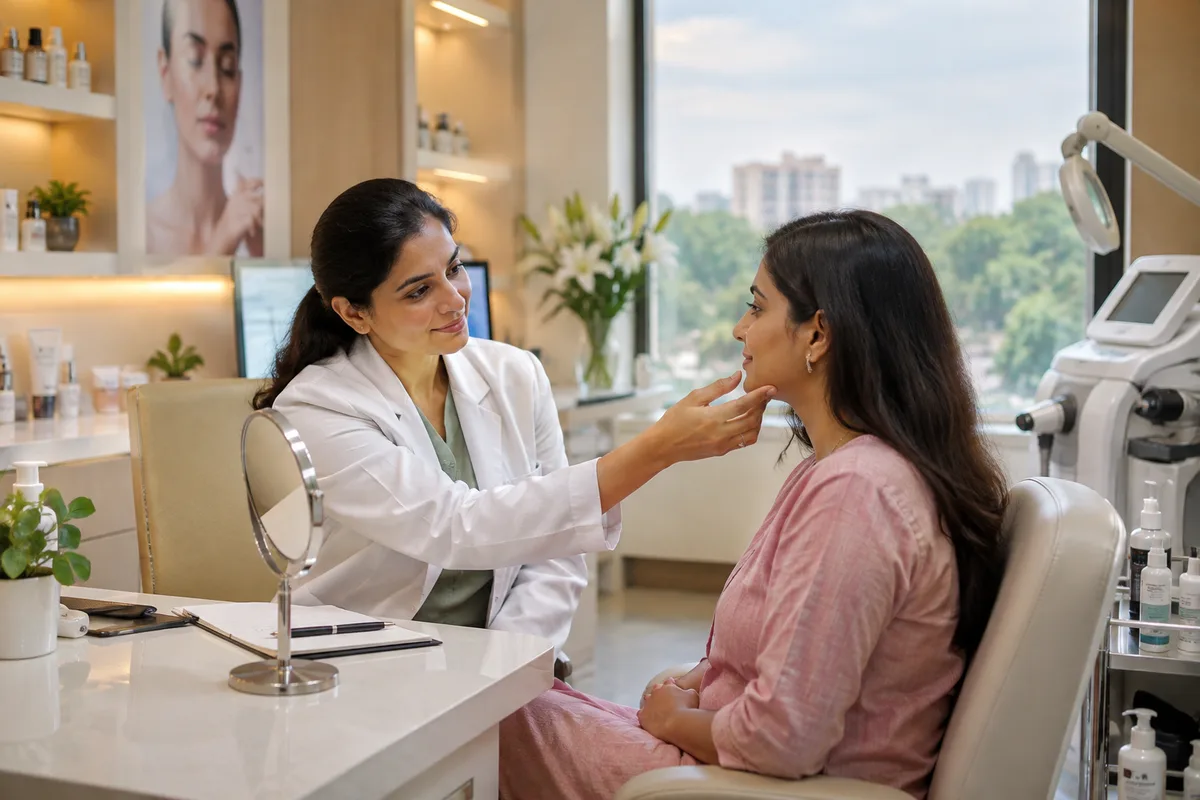
A buyer persona is a plain description of the kind of customer who actually buys from you. It includes what they search, what worries them and who else they ask before deciding. GullySales builds this from real enquiries and past sales rather than a generic template, then uses it to write every page and advert.
Also for aesthetic, hair and cosmetic clinics
- Digital marketing for aesthetic, hair and cosmetic clinics
- SEO for aesthetic, hair and cosmetic clinics
- PPC ads for aesthetic, hair and cosmetic clinics
- Lead generation for aesthetic, hair and cosmetic clinics
- Reputation management for aesthetic, hair and cosmetic clinics
- Local SEO for aesthetic, hair and cosmetic clinics
- Branding for aesthetic, hair and cosmetic clinics
- Social media marketing for aesthetic, hair and cosmetic clinics
Sales and marketing for aesthetic, hair and cosmetic clinics, the overview.
Last updated 17 Oct 2026. Rules for this trade differ by state and professional body, and they change. We describe restrictions in general terms, so check the current position with your own council or adviser before you publish anything.
For aesthetic, hair and cosmetic clinics
Where it usually goes wrong, and what we would do.
“The person who books is not always the person who pays”
A young adult enquires about laser hair removal, but a parent or spouse approves the money. If the page and the first call speak only to the patient, the second voice arrives late and says no. Ask on the first call who else will be part of the decision.
“Fear of a bad result shapes every question”
The hair transplant patient worries about an unnatural hairline, and the skin patient worries about a reaction. These fears rarely appear in a lead form. They appear in the questions asked at the consultation, so the persona should be built from what the counsellors hear, not from guesses.
“Timing is set by an event, not by the clinic”
A wedding, a new job or a milestone birthday starts the search and sets the deadline. A persona that records the event, and how much preparation time the treatment needs, tells you which patients are ready to book and which are still browsing.
“Comparison happens against more than other clinics”
The buyer weighs your clinic against a salon offering the same treatment name, a home aligner kit, and simply waiting another year. Knowing the real alternative for each treatment tells you what the consultation has to explain.
What we do
What we deliver for aesthetic, hair and cosmetic clinics.
Every deliverable, what it covers for you, and the result it is there to produce. Nothing here is an extra.
One persona per priority treatment
A written card for each treatment you want more of, such as hair transplant or aligners, built from your own consultation notes and enquiry records.
Result: You can read a card and recognise the patients who sit in your diary.
A decision-circle map
A short note of who else joins the decision for each treatment, from spouse to parent to a friend who already had it done.
Result: Your counsellors know who to invite to the second visit.
A fears and questions list
The worries your doctors and counsellors hear again and again, written in the patient's own words and matched to the page or message that answers each.
Result: Each worry has an owner and an answer in writing.
Event and timing notes
The occasions that start a search for each treatment, and the preparation time your doctors need before it.
Result: You can see which enquiries fit a date and which do not.
A review against lost enquiries
We compare each card with the patients who left without signing and adjust the card where it does not match.
Result: The persona changes when the evidence does.
How the result is measured
- Enquiry match to persona
- Conversion rate by persona
- Content aligned to persona
Recorded as a baseline before work starts, so every later report has an honest comparison.
Who is asking
The people behind an aesthetic enquiry, and what each wants answered before booking.
- Buyer weighing a hair transplant for months
- Wants to know who performs the work, how the grafts are counted and what the plan covers. The buyer reads for a long time before booking, and fear of a poor result shapes the questions.
- Bride planning treatments before the wedding date
- Wants to know how many sittings are needed, what the schedule looks like and what to avoid. The timing is set by the event, not by the clinic.
- Spouse or parent who pays
- Wants to understand the cost, the EMI terms and who the doctor is. They were not in the consultation room, and they decide whether the plan goes ahead.
- Patient comparing an aligner kit sent by courier
- Wants to know why in-person supervision costs more, what the doctor checks and what happens if teeth move wrongly. The comparison is with a cheaper product, not a clinic.
- Professional wanting discreet laser treatment
- Wants privacy, a booking that fits a workday and an honest account of recovery time. Discretion matters, so messages must not reveal the treatment.
Who it is for
This is written for these aesthetic, hair and cosmetic clinics.
- Hair transplant and hair restoration centres
- Laser hair removal and skin laser clinics
- Aesthetic medicine clinics offering injectables, peels and skin boosters
- Cosmetic dentistry practices for aligners, veneers and smile design
- Dental implant centres
- Cosmetic and plastic surgery practices
- Body contouring and non-surgical fat reduction clinics
- Multi-branch aesthetic chains and franchise clinics
- Doctor-led clinics that started inside a dermatology or dental practice
Not for
It is not the right fit if.
- You have no consultation or enquiry record to read, so a persona would be a guess rather than a description of your patients.
- You want to describe the patient only by age and city, which tells your team nothing about why they came.
How it works
How the buyer persona work runs
The work itself, in order. How an engagement starts, from your brief to a written scope, is set out on our method page.
- 1
Understand the current view
We start with how your team currently describes the customer, since the gap between belief and reality is the finding itself.
- 2
Audit past enquiries and sales
We look at recent enquiries and closed deals to see who actually bought, not who was assumed to buy.
- 3
Interview customers and staff
Structured conversations with recent buyers, held as talk about the last purchase and not a questionnaire. We ask what happened before they called, who else was involved and what they compared. Customers agree before we contact them, and their answers are reported without names.
- 4
Build the personas
Findings are written into short, usable persona documents rather than a long report.
- 5
Apply to your marketing
We show where each persona should change a page, an ad or a script you already have. The sales team reads the drafts and says which ring true. A persona they do not recognise is rewritten.
Where this fits
Three pieces of sales work, in this order.
This work sits inside sales process design, at stage 0, foundation. The audit comes before it, and sales management keeps it running.
Step 1
Sales audit
Find where deals are being lost and what to fix first.
Start here if you cannot say where orders are lost.
Step 2 · you are here
Sales process design
One written way to sell, from first enquiry to repeat order.
Start here if every salesperson sells differently.
Step 3
Sales management
A target, a review routine and someone who owns the number.
Start here if the team has targets and no routine.
FAQ
Questions owners ask before they call.
Not here? More answers, or ask on WhatsApp.
How many personas does a clinic need?
Can we build a persona without patient data?
Do advertising rules affect how we describe the buyer?
Do persona notes change what we may say in advertising?
How much does it cost?
How long is the contract?
How soon will we see results?
Who will actually do the work?
What do you need from us?
What if we are not happy with the work?
From the blog
Further reading for aesthetic, hair and cosmetic clinics.
 6 min read · 10 Oct 2026How clinics can improve the journey from online enquiry to appointmentMost patients who message a clinic never book. Walk the path from first message to booked slot, and fix who answers, how fast, what is asked and what happens next.
 6 min read · 24 Sept 2026Reply templates for clinic WhatsApp enquiriesEight first replies for a clinic's WhatsApp number, covering price, timing, location, scans and reports, each ending with one next step the patient can take.
 7 min read · 21 Sept 2026How to write social media ad copyThe picture stops the thumb and the first line has to finish the job, because everything after it is hidden behind the word more.
More for aesthetic, hair and cosmetic clinics
Everything else we would do for you.
Closest to this: strategy and research
Also for aesthetic, hair and cosmetic clinics
- SEO for aesthetic, hair and cosmetic clinics
- PPC ads for aesthetic, hair and cosmetic clinics
- Lead generation for aesthetic, hair and cosmetic clinics
- Reputation management for aesthetic, hair and cosmetic clinics
- Local SEO for aesthetic, hair and cosmetic clinics
- Branding for aesthetic, hair and cosmetic clinics
Or start from the overview: sales and marketing for aesthetic, hair and cosmetic clinics.
Your next practical step
Tell us what you are trying to grow, and we will read it before we call.
Eight short steps, mostly taps. Skip anything you would rather answer on the call.