Dermatology clinics · Review generation
Ask the right patient, at the counter, for the kind of review you are allowed to have.
Review generation for a dermatology clinic is the mechanics of getting one written: who asks, at what moment, in what words, and with what link. Skin work makes that ask more delicate than in most trades. GullySales sets up the routine and checks the wording before it goes out.
Scope, fee, reporting and term are agreed in writing after we have read your brief and spoken to you.
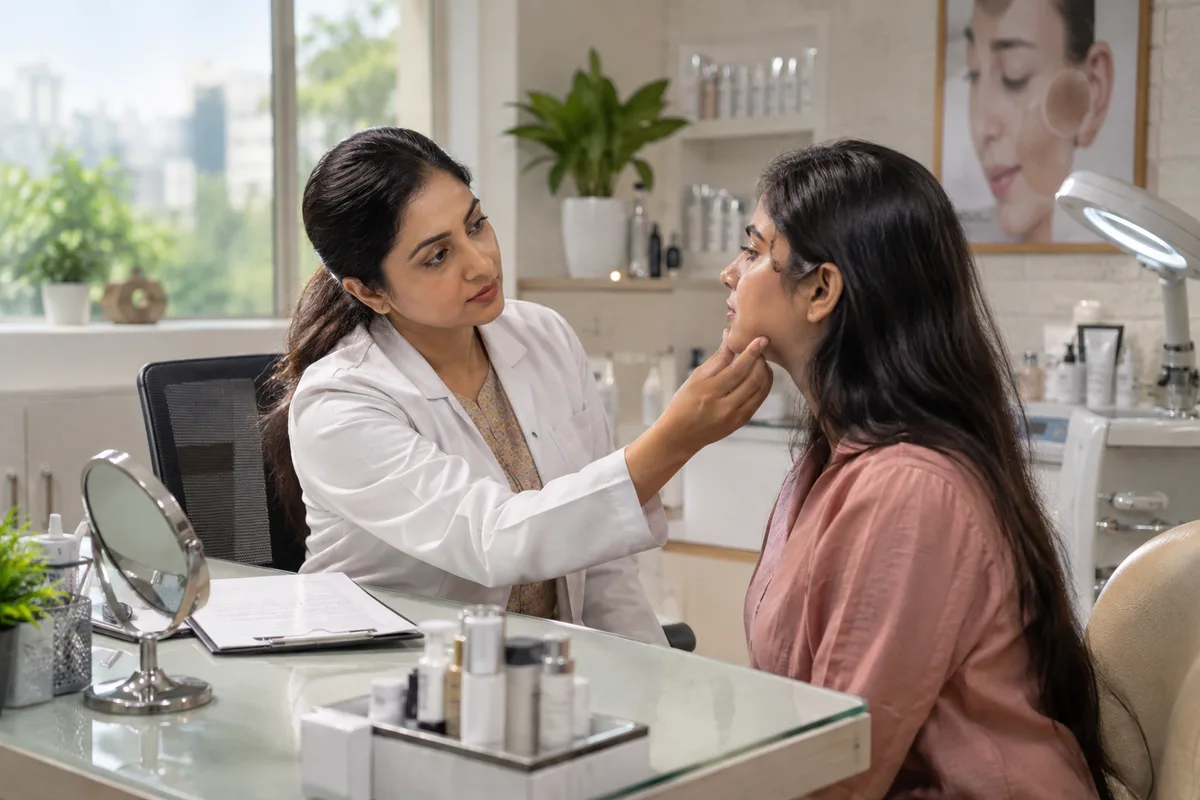
What review generation means
In a clinic or practice a review is a public statement by a patient, and asking for one is restricted or unwise in several regulated professions. Review generation here is proof that does not depend on a patient writing in public: the professional listing kept accurate, the note back to the referring doctor, and a reply that never confirms somebody was a patient. GullySales sets that up and tracks what arrives without soliciting it.
Also for dermatology clinics
- Reputation management for dermatology clinics
- Public relations for dermatology clinics
- AEO for dermatology clinics
- Branding for dermatology clinics
- Content marketing for dermatology clinics
- Digital marketing for dermatology clinics
- Email campaigns for dermatology clinics
- Google Business Profile for dermatology clinics
Sales and marketing for dermatology clinics, the overview.
Last updated 8 Nov 2026. Rules for this trade differ by state and professional body, and they change. We describe restrictions in general terms, so check the current position with your own council or adviser before you publish anything.
For dermatology clinics
Where it usually goes wrong, and what we would do.
“A review of the visit is not a testimonial about the result”
Medical advertising rules restrict how patient testimonials and treatment outcomes may be used in promotion. They are not the same everywhere and they change, and it is the doctor's registration at stake. Ask your council or your compliance adviser what applies to you before anybody scripts a request.
“Who you ask matters more than how many you ask”
A patient treated for hair loss, vitiligo or a concern they have told nobody about will not put their name under it in public, and should not be pushed. The acne patient who is pleased with the skin will. Pick the list by hand.
“The ask belongs at the billing counter, not in the consulting room”
A patient asked by the dermatologist who just treated them cannot comfortably refuse. The person handing over the aftercare sheet can ask, with a code on the counter, and the patient can ignore it without any awkwardness at all.
What we do
What we deliver for dermatology clinics.
Every deliverable, what it covers for you, and the result it is there to produce. Nothing here is an extra.
A request the doctor has read and signed off
Wording that invites a patient to describe their visit and the care they received, checked against what your adviser says you may solicit and publish.
Result: The desk asks in words the clinic can stand behind.
A code at the counter and a short link on the clinic number
A scan code where the patient is already standing with a phone, and the same link sent from the clinic's own WhatsApp number rather than a staff member's.
Result: A willing patient is two taps from writing it.
A short list of who is asked, and who is never asked
Agreed with you by concern rather than by treatment value, so nobody at the desk has to judge whether a patient would mind being asked.
Result: No patient is put in an uncomfortable position by a junior.
One reminder, and then it is dropped
A single follow-up to a patient who agreed and then forgot, after which the name comes off the list and is not asked again.
Result: Asking never turns into nagging.
Asks counted against reviews received
A running tally of requests made and reviews actually written, so a desk that has quietly stopped asking shows up in the numbers.
Result: You know whether the habit survived the first busy week.
How the result is measured
- Reviews received
- Average rating
- Response rate to requests
Recorded as a baseline before work starts, so every later report has an honest comparison.
Asking patients for reviews
Ask about the clinic visit once the patient reaches the counter, and leave the treatment and the skin result out of it.
- Consultations and follow-ups, not procedure days
- Ask after a plain consultation or follow-up rather than after a laser sitting or a peel, when the skin is still sore or red. Write down which visits qualify.
- Ask about the service, not the skin
- Suggest the patient mention the waiting time, the explanation they were given and how the staff treated them. Results, before photos and outcome claims stay out of the request.
- One-to-one message, never a group
- Send the review link as a private message from the clinic number. A skin concern is personal, and a group or broadcast list can expose who has been a patient.
- The doctor reads the wording once
- The dermatologist approves the request text. Rules on advertising for doctors differ by state and body and change, so check with your own council before it goes out.
- Replies that confirm nothing
- Reply to any review, kind or harsh, without naming the treatment or confirming that the person came. Invite them to call, and keep the case details off the page.
- Patients who asked for discretion
- Some come for hair, pigmentation or intimate concerns and want privacy. Never ask them, and never name the concern in a thank-you message or a reply.
Who it is for
This is written for these dermatology clinics.
- Solo dermatologist clinics
- Multi-doctor dermatology and cosmetology centres
- Dermatology hospitals with in-patient procedures
- Cosmetic and aesthetic dermatology clinics
- Hair transplant and trichology centres
- Skin and laser clinics inside malls or commercial complexes
- Paediatric and family dermatology practices
- Multi-branch dermatology chains
Not for
It is not the right fit if.
- You plan to offer a gift or a discount in return for a review, which the profession's rules and the platform both bar
- The doctors do not agree on how a review request is worded, so the desk would improvise at the counter
- Nobody can reply to the reviews that arrive, and a new flow would collect comments that stay unanswered
How it works
How the review generation work runs
The work itself, in order. How an engagement starts, from your brief to a written scope, is set out on our method page.
- 1
Find the moment to ask
We walk through one customer's visit with you and pick the point where the job is done and the customer is still in front of you or holding the phone.
- 2
Read your current reviews
We read every review you have, count how many were answered, and note what customers praise in their own words. We also check that your name, address and phone on Google match your signboard.
- 3
Set up the ask
Link, QR code, message wording and a short briefing for the team. We write down what staff must never do: offer a discount, choose who to ask, or post a review themselves.
- 4
Answer every review
Each incoming review is answered by the routine set down in writing. A complaint is answered by the person who can fix it, with your approval where you want it.
- 5
Count and adjust
We count how many customers were asked and how many reviewed. If few reply, we move the moment or the person asking before touching the wording.
Where this fits
Three pieces of sales work, in this order.
This work sits inside sales process design, at stage 7, after the sale. The audit comes before it, and sales management keeps it running.
Step 1
Sales audit
Find where deals are being lost and what to fix first.
Start here if you cannot say where orders are lost.
Step 2 · you are here
Sales process design
One written way to sell, from first enquiry to repeat order.
Start here if every salesperson sells differently.
Step 3
Sales management
A target, a review routine and someone who owns the number.
Start here if the team has targets and no routine.
FAQ
Questions owners ask before they call.
Not here? More answers, or ask on WhatsApp.
Can we offer a discount on the next sitting for a review?
A patient wrote a lovely review naming the treatment. Can we put it on the website?
Should we thank every reviewer in public?
Which platform should we ask patients to use?
How much does it cost?
How long is the contract?
How soon will we see results?
Who will actually do the work?
What do you need from us?
What if we are not happy with the work?
From the blog
Further reading for dermatology clinics.
 8 min read · 12 Aug 2025Local SEO checklist for clinicsA five-part checklist for clinics: a complete Google Business Profile, consistent details, treatment pages, a review routine and enquiry tracking.
 6 min read · 18 Apr 2024How to market a dental clinic locallyA dental clinic is chosen within a few kilometres, after a search. The map result, the reviews and the treatment page decide whether the call happens.
 8 min read · 6 Feb 2024The importance of local SEO for healthcare providersLocal SEO for clinics in India: a Google Business Profile, listings, reviews and locality pages checklist, so patients nearby find and book you.
More for dermatology clinics
Everything else we would do for you.
Closest to this: reputation
Also for dermatology clinics
Or start from the overview: sales and marketing for dermatology clinics.
Your next practical step
Tell us what you are trying to grow, and we will read it before we call.
Eight short steps, mostly taps. Skip anything you would rather answer on the call.