Veterinary clinics · Content marketing
Answer the question an anxious owner is searching at midnight.
Content marketing for a veterinary clinic means articles that answer real, often urgent questions, such as what to do if a dog eats chocolate. It also covers when a cat's symptoms need an emergency visit. GullySales writes this and tracks which pages bring in calls.
Scope, fee, reporting and term are agreed in writing after we have read your brief and spoken to you.
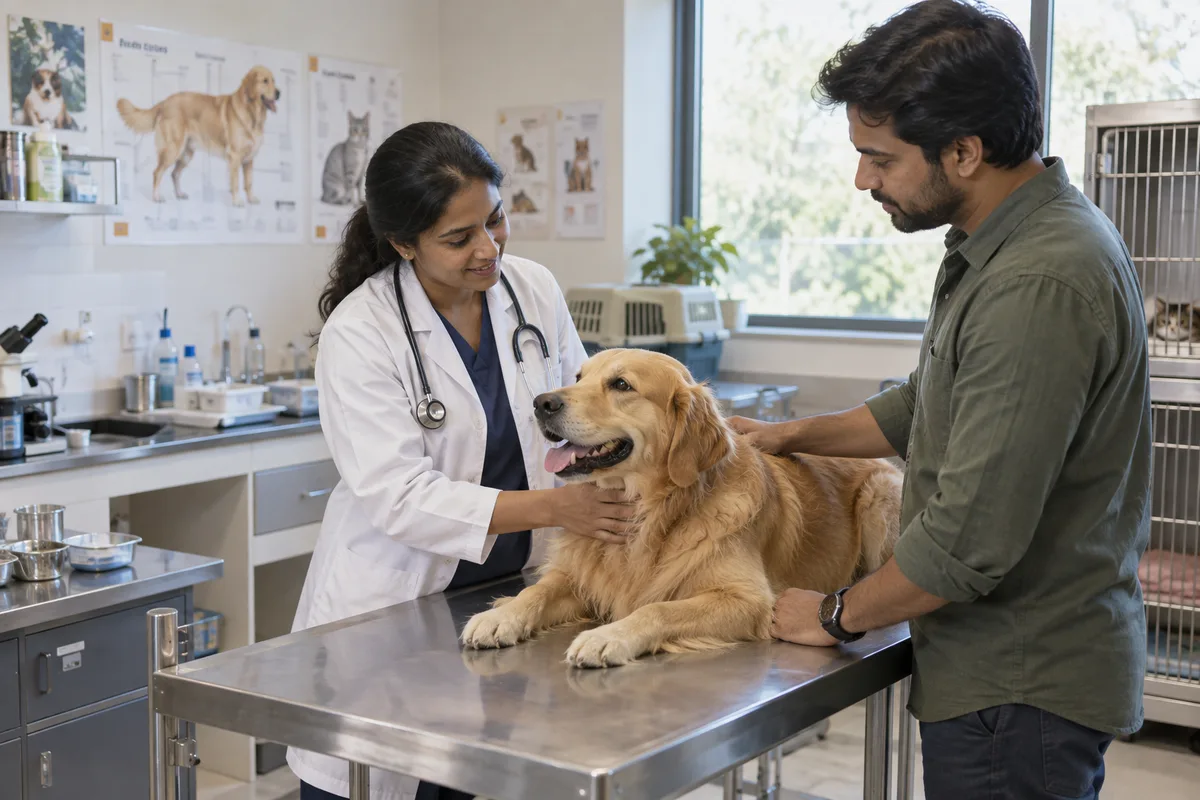
What content marketing means
Content marketing is writing articles, guides and pages that answer the questions buyers search before they are ready to enquire. This makes your business visible and trusted before the first call. GullySales plans this content from the first conversation onward, choosing topics that match real search demand rather than guesses.
Last updated 8 Nov 2026. Rules for this trade differ by state and professional body, and they change. We describe restrictions in general terms, so check the current position with your own council or adviser before you publish anything.
For veterinary clinics
Where it usually goes wrong, and what we would do.
“Urgent-symptom content earns a search at the worst moment”
An owner searching for is it an emergency if my dog is vomiting needs a clear, calm answer, and a clinic that provides one gets remembered and called.
“Species-specific content wins narrower but more committed searches”
A guide on caring for a specific exotic pet reaches a smaller audience than general pet care content, but those readers convert at a higher rate.
“Seasonal content has a real trigger”
Content on tick and flea prevention before the monsoon, or on heatstroke risk before summer, rides a real seasonal spike in owner concern.
What we do
What we deliver for veterinary clinics.
Every deliverable, what it covers for you, and the result it is there to produce. Nothing here is an extra.
Urgent-symptom articles for the worst moment
Calm, clear pages answering questions like is it an emergency if my dog is vomiting, written for the exact moment an owner is deciding whether to call.
Result: The clinic is remembered as the one that answered clearly under pressure.
Species-specific care guides for narrower audiences
Pages written for a specific exotic or less common pet, reaching a smaller but more committed group of owners searching for that expertise.
Result: An owner with an uncommon pet finds a clinic that clearly understands it.
Seasonal health content timed to real triggers
Articles on tick and flea prevention before the monsoon, and heatstroke risk before summer, published ahead of the season owners start worrying.
Result: The clinic appears exactly when owners start searching for that seasonal risk.
A content calendar mapped to your priority services
A running list of planned articles tied to the services and species the clinic wants to see more of, not a random topic list.
Result: Content effort goes toward the visits the clinic actually wants to grow.
Enquiries traced to the seasonal or symptom article
A record of which symptom or seasonal article a caller mentions or arrived from, checked against your existing enquiry log.
Result: You can see which seasonal article is actually bringing in calls.
How the result is measured
- Pages published
- Organic traffic
- Enquiries from content pages
Recorded as a baseline before work starts, so every later report has an honest comparison.
Questions buyers ask first
What a pet owner asks before choosing a clinic, and the page that answers it.
- What can I give my dog or cat at home, and what is dangerous?
- A home safety page. List human medicines and foods that are toxic to pets, and make the rule 'call before giving anything'. Offer no dosing advice.
- What does a puppy or kitten need in the first year?
- A first-year page. Outline the vaccine series the clinic follows, why it is a series, the certificate card and when to bring the animal. The schedule should be your own vet's.
- What will the visit and the tests cost?
- A fees page. Show the structure: consultation, common tests, X-ray, ultrasound, how a surgery estimate is given and whether an admission deposit is taken. Owners fear surprises more than costs.
- Do you treat my rabbit, bird or tortoise?
- An exotics page. List the species the clinic sees, which it refers and to whom, and whether an appointment is needed. It saves owners who assume a dog clinic will refuse.
- Will my pet be safe if kept overnight?
- An admission page. Say who watches the animal at night, how the owner is updated, the visiting rules, what to bring and which consent forms are signed.
- Can the vet visit at home, and what about the end of a pet's life?
- A home visit page. Say what can be done at home and what cannot, and how the clinic supports an owner whose pet is old or very ill. Write with care.
Who it is for
This is written for these veterinary clinics.
- Small animal clinics
- Multi-vet veterinary hospitals
- Mobile and home-visit vet services
- Exotic and avian veterinary practices
- Farm and large animal veterinary services
- Pet grooming and wellness clinics with vet services
- 24-hour emergency veterinary hospitals
- Veterinary diagnostic and referral centres
Not for
It is not the right fit if.
- No vet has time to read a draft before it goes out, and symptom advice that no vet has checked should not be published.
- The Maps listing and the phone line are still unreliable, so a good article would send an owner to a clinic that does not pick up.
How it works
How the content marketing work runs
The work itself, in order. How an engagement starts, from your brief to a written scope, is set out on our method page.
- 1
Agree the plan
Topics and formats come from the content strategy and the buyer-question list. The volume goes into the written scope, agreed with you, not into a number quoted on a call.
- 2
Brief and draft
Each piece starts from its one-page brief and a short conversation with your technical person, recorded if they allow it, so the draft uses their words.
- 3
Check the facts
Your person marks the draft for accuracy and we correct it. Regulated subjects also go to your own adviser, because restrictions on claims apply to articles as much as to advertisements.
- 4
Publish and distribute
The piece goes live on your site, then out through the channels where your buyers already are.
- 5
Read the enquiries and adjust
Results are reported against the baseline recorded before work began. Topics that brought readers but no enquiries are changed or dropped. How often you are reported to is agreed in writing.
Where this fits
Three pieces of sales work, in this order.
This work sits inside sales process design, at stage 0, foundation. The audit comes before it, and sales management keeps it running.
Step 1
Sales audit
Find where deals are being lost and what to fix first.
Start here if you cannot say where orders are lost.
Step 2 · you are here
Sales process design
One written way to sell, from first enquiry to repeat order.
Start here if every salesperson sells differently.
Step 3
Sales management
A target, a review routine and someone who owns the number.
Start here if the team has targets and no routine.
FAQ
Questions owners ask before they call.
Not here? More answers, or ask on WhatsApp.
How often should a clinic publish?
Should a vet review this content?
Can we use photographs of our patients?
Should emergency pages be in the local language?
How much does it cost?
How long is the contract?
How soon will we see results?
Who will actually do the work?
What do you need from us?
What if we are not happy with the work?
From the blog
Further reading for veterinary clinics.
 6 min read · 26 Aug 2026Pet grooming marketing: how to get grooming and boarding customersPet grooming marketing works on Maps, reviews, before and after photographs and fast replies. Boarding is won on trust. Here is how to fill both, and what a plan should cover.
 8 min read · 19 Aug 2026The pet parent journey: from the first search to regular visitsThe pet parent journey runs from the first anxious search to years of repeat visits. Here are the stages, and where Indian clinics lose owners.
 7 min read · 20 May 2026Loyalty programmes for pet clinics: the ones owners actually useA loyalty programme for a pet clinic is not a points card. It is a wellness plan paid up front, reminders for care that is already due, and one small standing benefit a regular notices.
More for veterinary clinics
Everything else we would do for you.
Closest to this: content and social
Also for veterinary clinics
Or start from the overview: sales and marketing for veterinary clinics.
Your next practical step
Tell us what you are trying to grow, and we will read it before we call.
Eight short steps, mostly taps. Skip anything you would rather answer on the call.