Veterinary clinics · Buyer persona
Write differently for the new puppy owner than for the exotic pet keeper.
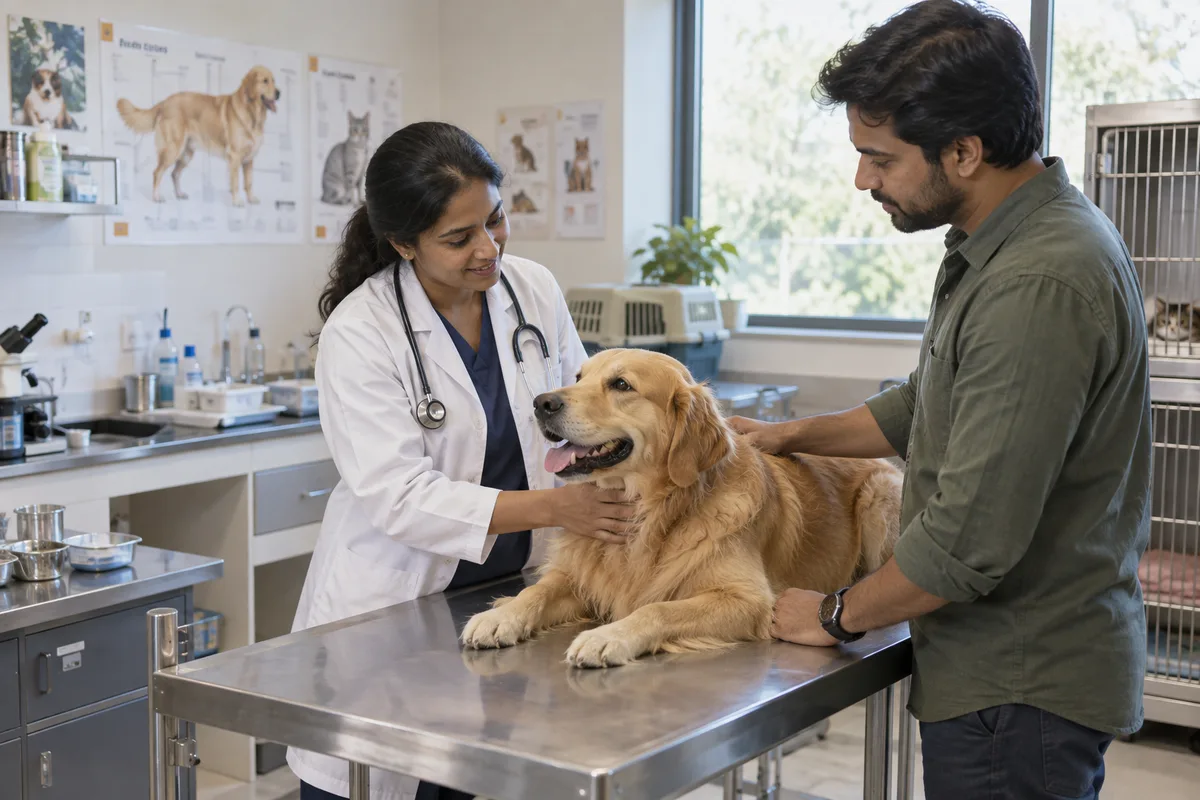
A buyer persona for a veterinary clinic describes a specific kind of pet owner, for example a first-time puppy owner or someone keeping an exotic bird. It captures enough detail to plan content and reminders that speak to them directly. GullySales builds these from your actual patient records.
Scope, fee, reporting and term are agreed in writing after we have read your brief and spoken to you.
What buyer persona means
A buyer persona is a plain description of the kind of customer who actually buys from you. It includes what they search, what worries them and who else they ask before deciding. GullySales builds this from real enquiries and past sales rather than a generic template, then uses it to write every page and advert.
Last updated 8 Nov 2026. Rules for this trade differ by state and professional body, and they change. We describe restrictions in general terms, so check the current position with your own council or adviser before you publish anything.
For veterinary clinics
Where it usually goes wrong, and what we would do.
“The first-time puppy owner needs a vaccination schedule explained”
This owner is anxious and inexperienced, and content walking through what to expect in the first year builds more trust than a general services page.
“The exotic pet owner is searching for specific experience”
Someone with a reptile or a bird searches specifically for a vet who treats their species, and generic pet content does not reassure them.
“The long-time multi-pet owner values efficiency over reassurance”
This owner already trusts the clinic and wants fast booking and clear reminders, not the same educational content aimed at a first-timer.
What we do
What we deliver for veterinary clinics.
Every deliverable, what it covers for you, and the result it is there to produce. Nothing here is an extra.
A persona brief for the first-time puppy owner
A written profile covering what a new, anxious puppy owner asks about the first-year vaccination schedule, built from your actual patient records.
Result: Content and calls speak to this owner's real worry, not a generic pet topic.
Species-specific content for the exotic pet keeper
Pages and posts written for an owner searching specifically for a vet who treats reptiles or birds, naming the species directly.
Result: An exotic pet owner finds a clinic that clearly treats their kind of animal.
A fast-booking experience for the long-time multi-pet owner
A simpler contact and reminder path for an owner who already trusts the clinic and wants efficient booking, not repeated educational content.
Result: A loyal owner is not slowed down by material meant for a first-timer.
Persona-matched reminder wording by owner type
Reminder emails and messages written differently for a first-time owner needing explanation and a long-time owner needing only the essential details.
Result: Every owner receives a reminder pitched at what they already know.
A persona check added to new content briefs
A short step in every new page or post brief naming which owner type it is written for and whether it answers their real question.
Result: New content keeps speaking to the right kind of owner as it is added.
How the result is measured
- Enquiry match to persona
- Conversion rate by persona
- Content aligned to persona
Recorded as a baseline before work starts, so every later report has an honest comparison.
A persona card for this owner
Here is a typical card for the owner of an older dog on long-term care.
An example, not a fact about your clients. Check each line against your appointment records and counter notes, and change what does not match.
- Who they are
- Typical: an owner of an older dog on long-term medication who comes for refills and check-ups. Check against patients with repeat visits for the same condition.
- What starts the search
- Typical: the dog slows down or stops eating, or the old vet retires or moves away. Ask what changed.
- What worries them
- Typical: tests that may not change the plan, the cost of repeated visits and leaving the dog for the day. Note the questions asked at the counter.
- What they compare you with
- Typical: a vet who made a house visit, a friend's recommendation and a larger hospital in the city. Ask where the earlier records are.
- Who else decides
- Typical: a child who loves the dog, a spouse who pays and a neighbour who knew the old vet. Find out who brings the dog and who pays.
- What makes them say yes
- Typical: a vet who explains the options and the likely cost of each, a refill that needs no full visit when the vet agrees, and a kind front desk. Ask what long-standing owners value.
Who it is for
This is written for these veterinary clinics.
- Small animal clinics
- Multi-vet veterinary hospitals
- Mobile and home-visit vet services
- Exotic and avian veterinary practices
- Farm and large animal veterinary services
- Pet grooming and wellness clinics with vet services
- 24-hour emergency veterinary hospitals
- Veterinary diagnostic and referral centres
Not for
It is not the right fit if.
- The clinic has seen very few new owners so far, so there is nothing real to build a persona card from.
- Nobody at the desk records why the owner came or who recommended the clinic, so the card would rest on the vet's impressions alone.
How it works
How the buyer persona work runs
The work itself, in order. How an engagement starts, from your brief to a written scope, is set out on our method page.
- 1
Understand the current view
We start with how your team currently describes the customer, since the gap between belief and reality is the finding itself.
- 2
Audit past enquiries and sales
We look at recent enquiries and closed deals to see who actually bought, not who was assumed to buy.
- 3
Interview customers and staff
Structured conversations with recent buyers, held as talk about the last purchase and not a questionnaire. We ask what happened before they called, who else was involved and what they compared. Customers agree before we contact them, and their answers are reported without names.
- 4
Build the personas
Findings are written into short, usable persona documents rather than a long report.
- 5
Apply to your marketing
We show where each persona should change a page, an ad or a script you already have. The sales team reads the drafts and says which ring true. A persona they do not recognise is rewritten.
Where this fits
Three pieces of sales work, in this order.
This work sits inside sales process design, at stage 0, foundation. The audit comes before it, and sales management keeps it running.
Step 1
Sales audit
Find where deals are being lost and what to fix first.
Start here if you cannot say where orders are lost.
Step 2 · you are here
Sales process design
One written way to sell, from first enquiry to repeat order.
Start here if every salesperson sells differently.
Step 3
Sales management
A target, a review routine and someone who owns the number.
Start here if the team has targets and no routine.
FAQ
Questions owners ask before they call.
Not here? More answers, or ask on WhatsApp.
How many personas does a clinic need?
Do personas affect appointment scheduling?
How do we check a persona without recording the pet's medical history?
Do farm owners and household pet owners need different cards?
How much does it cost?
How long is the contract?
How soon will we see results?
Who will actually do the work?
What do you need from us?
What if we are not happy with the work?
From the blog
Further reading for veterinary clinics.
 6 min read · 26 Aug 2026Pet grooming marketing: how to get grooming and boarding customersPet grooming marketing works on Maps, reviews, before and after photographs and fast replies. Boarding is won on trust. Here is how to fill both, and what a plan should cover.
 8 min read · 19 Aug 2026The pet parent journey: from the first search to regular visitsThe pet parent journey runs from the first anxious search to years of repeat visits. Here are the stages, and where Indian clinics lose owners.
 7 min read · 20 May 2026Loyalty programmes for pet clinics: the ones owners actually useA loyalty programme for a pet clinic is not a points card. It is a wellness plan paid up front, reminders for care that is already due, and one small standing benefit a regular notices.
More for veterinary clinics
Everything else we would do for you.
Closest to this: strategy and research
Also for veterinary clinics
Or start from the overview: sales and marketing for veterinary clinics.
Your next practical step
Tell us what you are trying to grow, and we will read it before we call.
Eight short steps, mostly taps. Skip anything you would rather answer on the call.