Veterinary clinics · Lead generation
Bring in new pet owners searching for a vet, not just louder walk-ins.
Lead generation for a vet clinic means reaching the pet parents searching for a vet nearby, or for one worry such as a limping dog. It runs on search, reviews and local content rather than walk-ins alone. GullySales builds this and tracks every enquiry.
Scope, fee, reporting and term are agreed in writing after we have read your brief and spoken to you.
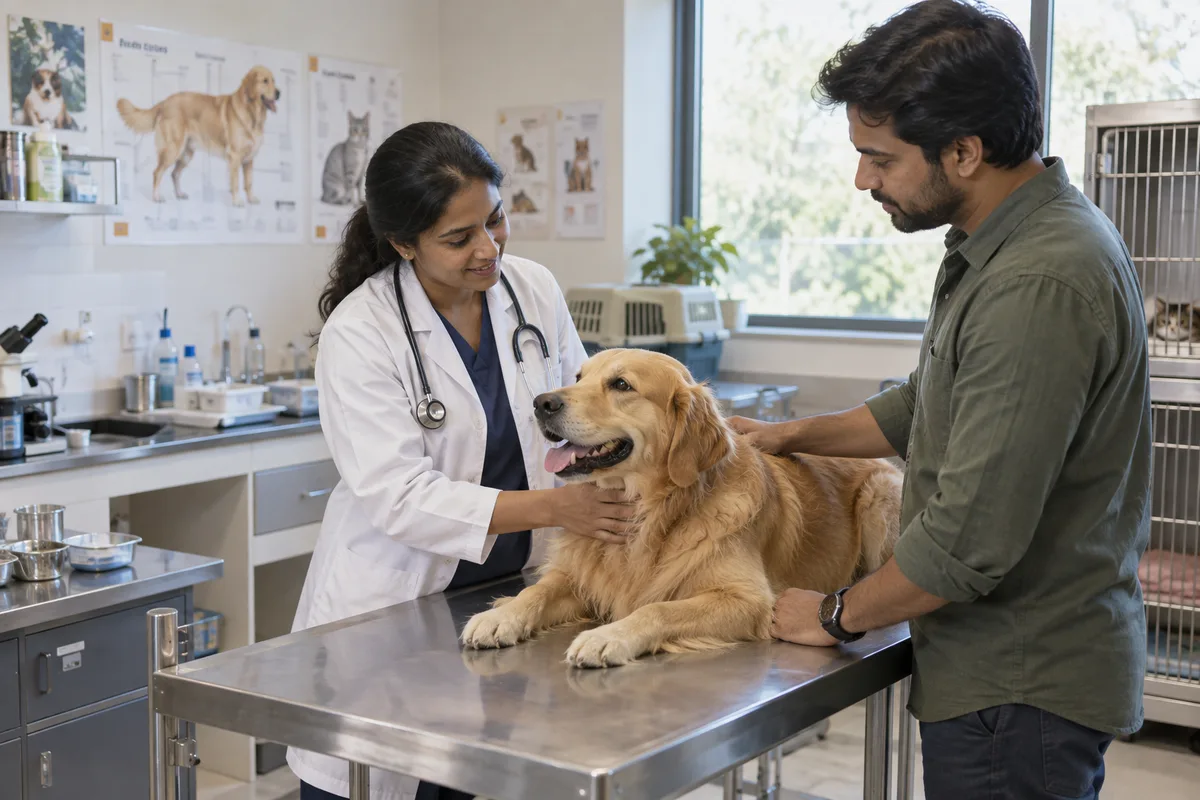
What lead generation means
Lead generation is the combined work of every channel that brings in a new enquiry, whether from search, adverts, referrals or a stall at an exhibition. GullySales runs these channels together and reports the number of enquiries each one produced, not the activity behind it.
Last updated 14 Nov 2026. Rules for this trade differ by state and professional body, and they change. We describe restrictions in general terms, so check the current position with your own council or adviser before you publish anything.
For veterinary clinics
Where it usually goes wrong, and what we would do.
“A puppy and kitten package page attracts new owners early”
A clear page explaining a first-year vaccination and check-up package catches new owners at the exact moment they are choosing a regular vet.
“Breeder and pet shop partnerships are an underused lead source”
A referral relationship with a local breeder or pet shop brings in new owners who are actively looking for a vet, sometimes before their first visit anywhere.
“Emergency content brings in both urgent and future regular patients”
An owner who calls during an emergency and has a good experience may become a long-term regular, making emergency visibility a lead source, not just a service.
What we do
What we deliver for veterinary clinics.
The work available for this need. We agree the deliverables and responsibilities for your engagement in writing.
A puppy and kitten package page
A clear page explaining a first-year vaccination and check-up package, aimed at a new owner choosing a regular vet for the first time.
Result: The clinic is found at the exact moment a new owner is deciding.
A breeder and pet shop referral relationship
An outreach plan and simple referral material for local breeders and pet shops, who meet a new owner before their first vet visit.
Result: New owners arrive already pointed toward your clinic.
Emergency visibility treated as a lead source
Content and profile detail for emergency and after-hours care, on the basis that an owner who calls in a crisis and is treated well may stay as a regular.
Result: A one-time emergency visit has a real chance of becoming a lasting patient.
A first-visit offer for new pet owners
A clearly stated first-visit package or check, aimed at giving a new owner comparing clinics a reason to choose yours first.
Result: A new owner has a concrete reason to book with this clinic over another.
New-patient source report
A count of new patients by source, search, referral or walk-in, compared with the baseline recorded before the work began.
Result: You know which source is actually bringing in new pet owners.
How the result is measured
- Enquiries generated
- Cost per enquiry
- Enquiries by source
Recorded as a baseline before work starts, so every later report has an honest comparison.
Where enquiries come from
Where a new pet owner comes from, and what the front desk should write down on the first call.
- A late-evening or emergency call
- Record the animal, the owner's words about the problem and the number. Agree the wording with your vets, so the desk tells the owner to come in or call back without giving advice.
- Google Maps and search calls
- Ask how the owner found you and note the source. Keep hours, the emergency number and the services on the listing current, or the call goes to the next clinic.
- A breeder or pet shop
- Record the breeder and the puppy or kitten sold. Offer new owners the first-visit slot and vaccination card, and tell the breeder politely that the breeder's buyers were seen.
- A groomer, trainer or boarding centre
- Note who referred and the animal's name. These people see pets every day, so keep their contact and tell each one when you have seen an animal they sent.
- A housing society pet group on WhatsApp
- Record the society and the group member who recommended you. Do not post advertisements in groups. Answer questions only when asked and check the group's own rules.
- A returning owner with a new pet
- Link the new animal to the owner's earlier record. A new puppy in a family you already treat is the easiest first visit, so call before the vaccination due date.
Who it is for
This is written for these veterinary clinics.
- Small animal clinics
- Multi-vet veterinary hospitals
- Mobile and home-visit vet services
- Exotic and avian veterinary practices
- Farm and large animal veterinary services
- Pet grooming and wellness clinics with vet services
- 24-hour emergency veterinary hospitals
- Veterinary diagnostic and referral centres
Not for
It is not the right fit if.
- On the days a single vet covers both surgery and consultation the clinic cannot take another new patient, so more enquiries would only be turned away.
- The desk does not note where a new owner heard of the clinic, so extra leads could not be traced back to a source.
Before you decide
Agree the work. Know how to judge it.
Lead generation for veterinary clinics: use these checks to prepare, choose the scope, and review what changes.
Bring the right evidence
Define the organisations or buyers you can serve and the reasons they would consider a conversation. Bring examples of accepted and rejected prospects so the selection rule is visible.
Make the scope clear
Agree the research sources, contact approach, qualification rules, and handover. Clarify which meetings count as accepted and what happens to replies that are not ready to buy.
Check the work in use
Review why a prospect was selected and what was learned from the response. Count held, relevant conversations separately from contacts found, messages sent, or meetings booked.
Know when to change course
If the same objection appears repeatedly, adjust the offer or buyer group before increasing outreach. Respect a request to stop contact and keep the exclusion in the record.
These are discussion points, not a fixed package. GullySales confirms the deliverables, responsibilities, fee, and term in writing after reading your brief and speaking with you.
Before we start
What to have ready before the work starts.
The records, access and decisions this work needs from veterinary clinics. Anything missing is noted in the written scope, with who will supply it.
- Recent registration cards or software exports
- We need a recent run of new-patient entries with the date, the species and, if recorded, how the owner heard of you. Names and numbers can be hidden. If the how-heard field is empty, we start recording it from the next registration, and the baseline is built forward, not backward.
- The clinic's capacity for new patients
- Decide how many extra first visits a week the vet and rooms can take without turning away existing owners. Only you can make this call. If it is left open, we assume no extra capacity and focus on the sources that bring owners who will return, not on increasing volume.
- A short list of breeders and pet shops nearby
- Write down the breeders, pet shops, groomers and boarding places you already know, with the person to ask for. Our list adds to yours. If you know nobody, the plan leans on search and Maps instead, and relationship work is limited to introductions we make together.
- The package contents and the first-visit offer
- Decide what the puppy and kitten package includes and whether a first-visit offer exists. The vet must approve the medical contents. If the clinic has not settled this, the page describes the visit and the vet's approach without a package, and the lead routes have less to point to.
- Someone to log every enquiry at the desk
- One desk member records each call, walk-in and message with its source. A notebook is enough. Without a log, the new-patient source report is empty, and we cannot tell which route worked, so every later choice about where to put effort becomes a guess.
How it works
How the lead generation work runs
The work itself, in order. How an engagement starts, from your brief to a written scope, is set out on our method page.
- 1
Count where your last new patients came from
We go through the registration cards of recent new patients with the desk and note how each owner arrived: a breeder, a neighbour, Maps, a pet shop, a walk-in. You tell us where the register is silent. What exists afterwards is a rough source count in your own register, which is the baseline for every lead decision.
- 2
Decide how many new patients you can see
Before generating interest, you and the vet say how many new puppies, kittens or emergencies the clinic can take on its present staff and rooms. We write the figure down. This stops the clinic from drawing in more than it can treat well, and it decides which source is worth pushing.
- 3
Draft the package page and the first-visit line
We write the puppy and kitten package page and the line the desk uses when a new owner rings. You approve what the package contains and what the first visit includes. The vet reads it for claims. What exists is a page and a spoken line that match, so the phone and the screen say the same thing.
- 4
Call the breeders and pet shops with you
We draw up a short list of breeders, pet shops and groomers near the clinic and plan the visits or calls with you. You decide who to approach and what, if anything, is offered. We help you write a note that explains what the clinic does for a new puppy, and never suggest a payment for a referral.
- 5
Place a test enquiry from each source
We or a friend of the clinic make a test enquiry from the page, from Maps and by phone, and watch what happens at the desk: how fast the call is picked up, what is asked and whether the source is written down. Gaps found are fixed before more owners are directed to those routes.
- 6
Read the new-patient sources against the baseline
We reopen the source count and add the new patients since the work began. You and we see which source brought patients who stayed and which brought only one visit. You decide where the effort goes next. The reading is in new patients, not in clicks or promises.
Where this fits
Three pieces of sales work, in this order.
This work sits inside sales process design, at stage 1, prospecting and lead generation. The audit comes before it, and sales management keeps it running.
Step 1
Sales audit
Find where deals are being lost and what to fix first.
Start here if you cannot say where orders are lost.
Step 2 · you are here
Sales process design
One written way to sell, from first enquiry to repeat order.
Start here if every salesperson sells differently.
Step 3
Sales management
A target, a review routine and someone who owns the number.
Start here if the team has targets and no routine.
FAQ
Questions owners ask before they call.
Not here? More answers, or ask on WhatsApp.
Should we pay to promote the clinic at all?
How do you track which enquiries turn into patients?
How should the front desk tell an emergency from a routine call?
Should we recommend a breeder who sends us puppies?
Should the clinic run an offer for new puppies?
How do we handle owners who call from far away?
How much does it cost?
How long is the contract?
How soon will we see results?
Who will actually do the work?
From the blog
Further reading for veterinary clinics.
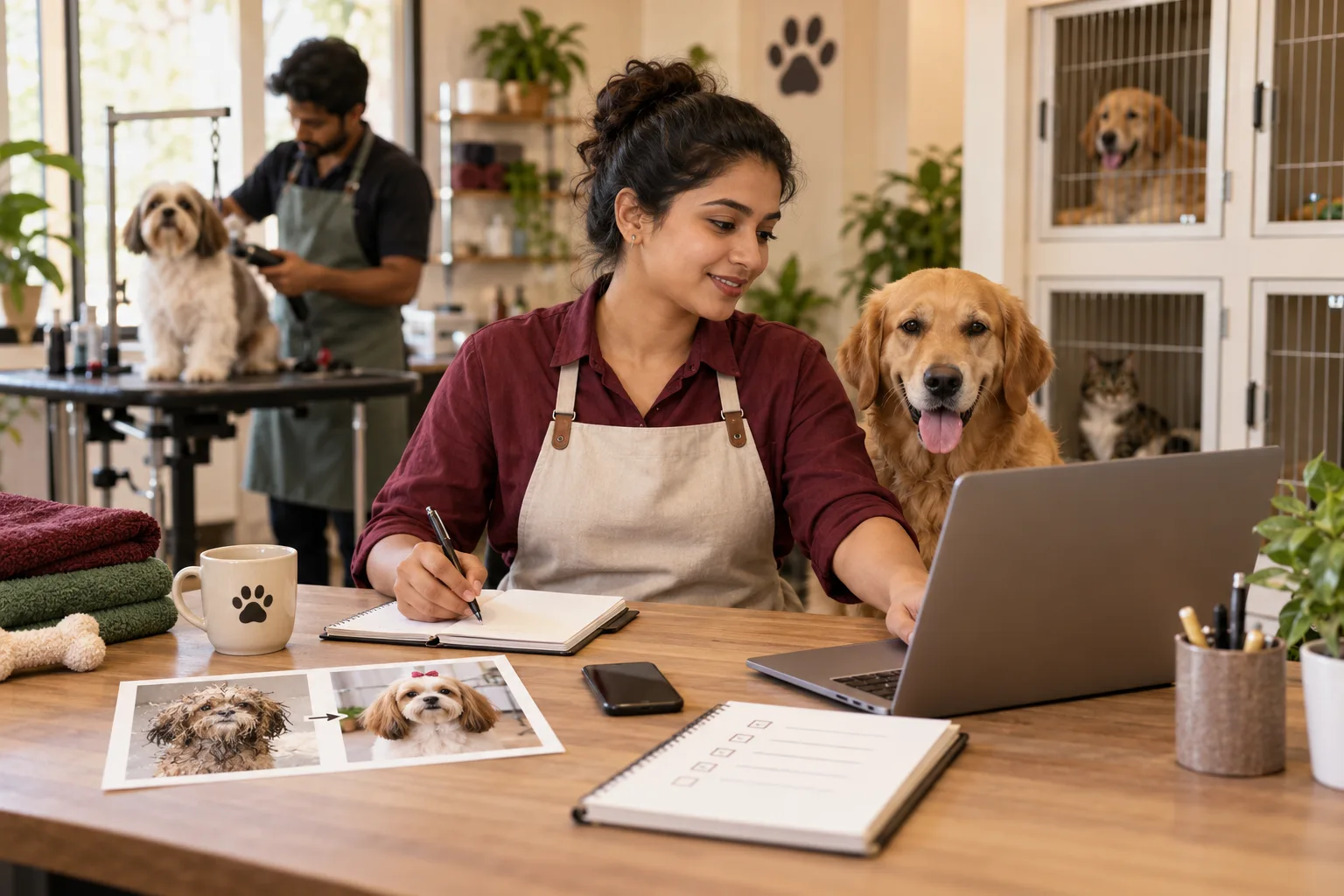 6 min read · 26 Aug 2026Pet grooming marketing: how to get grooming and boarding customersPet grooming marketing runs on Maps, reviews, photographs and fast replies, while boarding is won on trust. Fill both and plan for each.
 8 min read · 19 Aug 2026The pet parent journey: from the first search to regular visitsThe pet parent journey runs from the first anxious search to years of repeat visits. Here are the stages, and where Indian clinics lose owners.
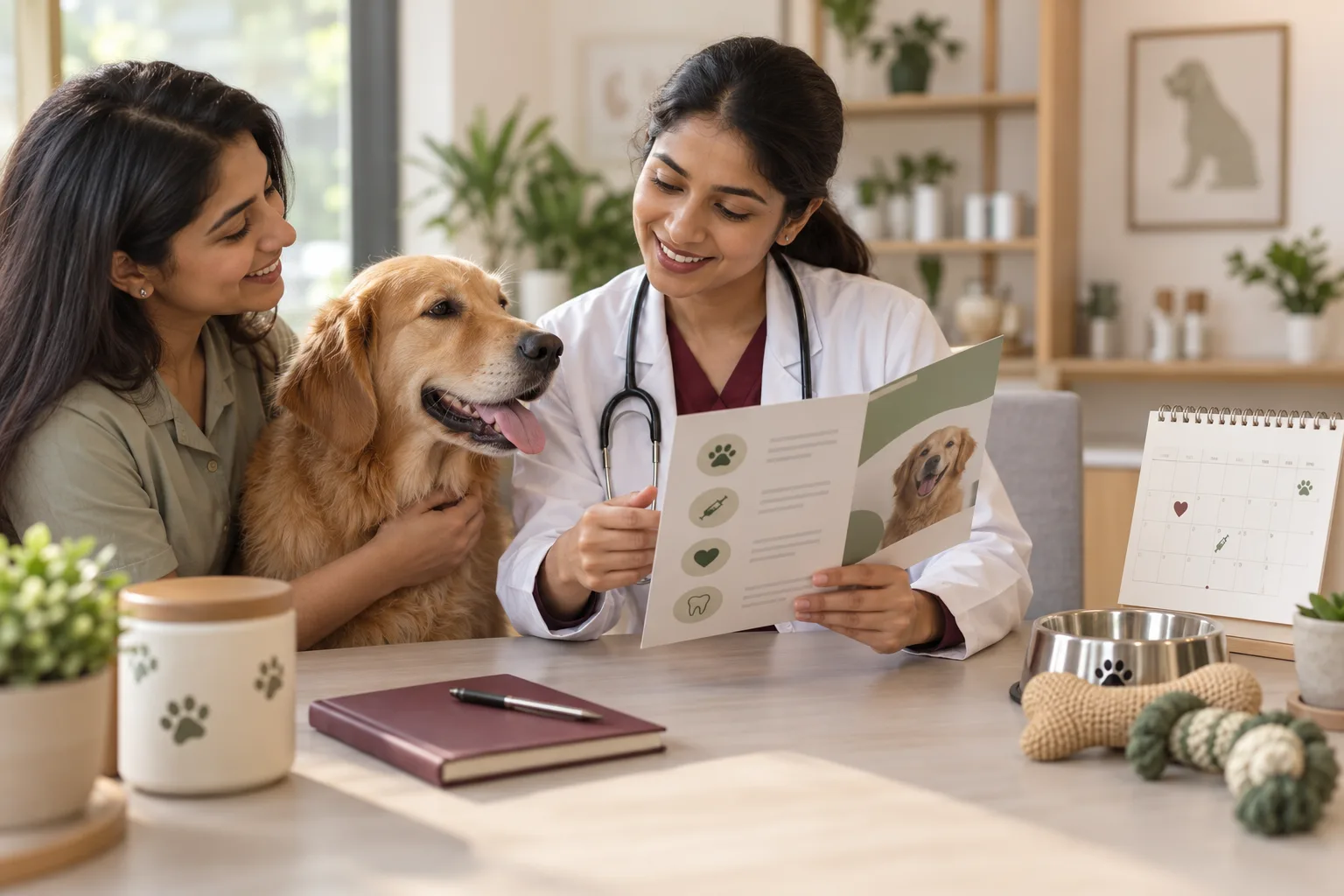 7 min read · 20 May 2026Loyalty programmes for pet clinics: the ones owners actually useA pet clinic loyalty programme is not a points card. It is a wellness plan paid up front, reminders for care already due, and one small benefit.
More for veterinary clinics
Related work to consider.
Closest to this: leads and follow-up
Also for veterinary clinics
Or start from the overview: sales and marketing for veterinary clinics.
Your next practical step
Tell us what you are trying to grow, and we will read it before we call.
Eight short steps, mostly taps. Skip anything you would rather answer on the call.