Veterinary clinics · Follow up systems
Chase the booster that fell due and ring the owner the day after surgery.
Follow-up in a veterinary clinic is unusual because the reminder is welcome. An owner who gets a message saying Bruno's booster is due thanks you for it. GullySales builds the due list, the message and call ladder behind it, the post-operative call nobody makes, and the rule about when to stop.
Scope, fee, reporting and term are agreed in writing after we have read your brief and spoken to you.
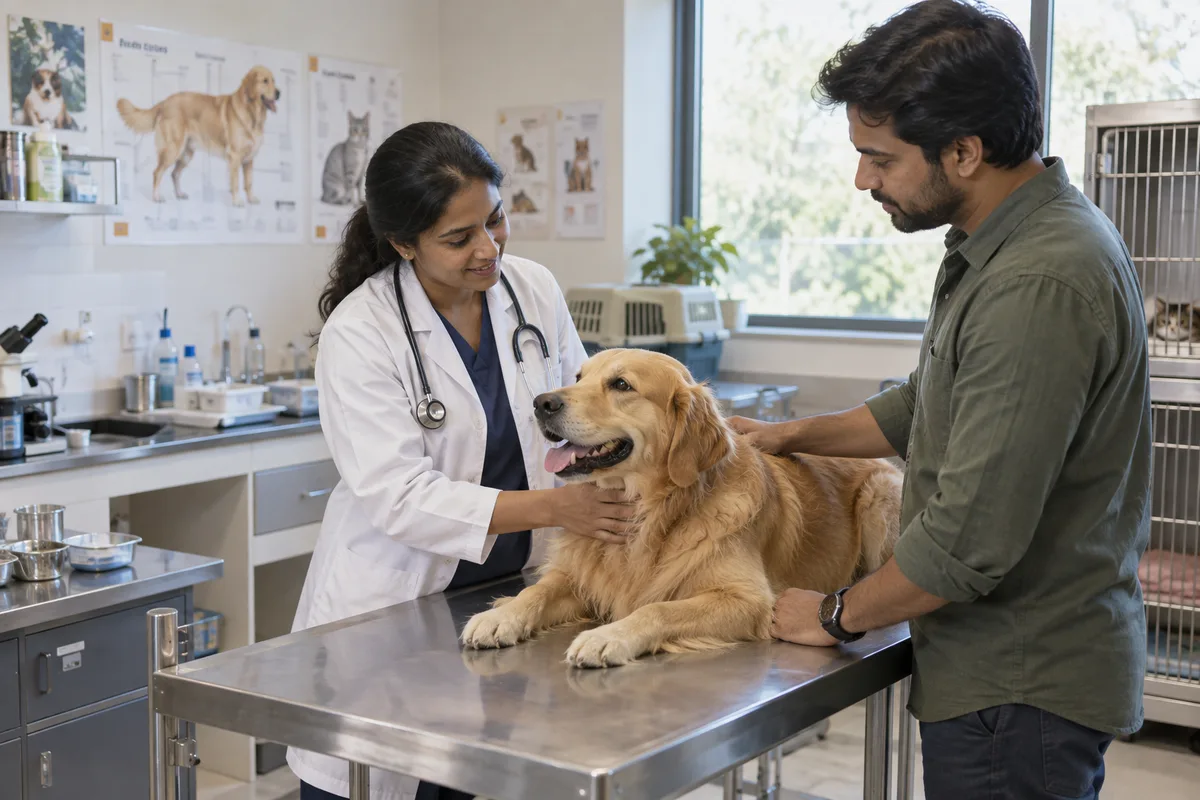
What follow up systems means
A follow-up system is the set routine for calling, messaging or emailing an enquiry more than once, since most buyers do not decide on the first conversation. GullySales sets the number and timing of follow-ups so an undecided buyer keeps hearing from you until they decide either way.
Last updated 8 Nov 2026. Rules for this trade differ by state and professional body, and they change. We describe restrictions in general terms, so check the current position with your own council or adviser before you publish anything.
For veterinary clinics
Where it usually goes wrong, and what we would do.
“A due date is a reminder, an offer is an intrusion”
Name the animal, name the shot, give the date it fell due and offer two slots. Owners act on that. The same list used for a discount on grooming gets muted, and then the booster reminder is muted with it.
“The call the day after surgery is the one owners remember”
A spay, a dental or a wound repair, and the owner is at home worrying about whether the animal should be eating by now. That call catches complications early and it is the reason they recommend you at the park.
“An estimate goes quiet because of money, and you can ask about it”
A dental scaling or an orthopaedic procedure gets a figure and then silence. The owner is not shopping around, they are waiting for a salary. Say so gently, offer to stage the work, and the animal gets treated.
What we do
What we deliver for veterinary clinics.
Every deliverable, what it covers for you, and the result it is there to produce. Nothing here is an extra.
A due list covering vaccination, deworming and follow-up visits
Every animal with a date that has fallen due or is about to, pulled from your records into one list somebody works down each day.
Result: Due dates surface on their own instead of being remembered.
Message wording that names the animal and the shot
Text and WhatsApp wording built around the pet's name, the vaccine or treatment due and two slots, with a short call for the ones who do not reply.
Result: The reminder reads like the clinic, not like a mass message.
A post-operative call built into the discharge
Who rings, what they ask about eating, the wound and the collar, and where the answers are written, set up as part of sending the animal home.
Result: You hear about a problem before it becomes an emergency.
Estimate follow-up that talks about the money
A second contact on a quoted procedure that states what the figure covers and offers to split the work, instead of asking for a decision again.
Result: Owners who were waiting for money tell you so.
A deceased and rehomed flag checked before every send
A field marked at the time, and a rule that the list is filtered by it, so no reminder is ever sent for an animal that has died.
Result: You never send a booster reminder to a grieving owner.
A stop rule written for each kind of chase
How many contacts a due date gets, how many an estimate gets, and the point at which the record is marked quiet rather than chased again.
Result: Owners are reminded, not pestered.
Recovered visits counted against the baseline
Appointments that came from a reminder or a chased estimate, measured against the visit figures recorded before this work started.
Result: You can see what the follow-up brings back in visits.
How the result is measured
- Follow-up completion rate
- Average number of follow-ups before close
- Enquiries closed after repeat follow-up
Recorded as a baseline before work starts, so every later report has an honest comparison.
Follow-up routine for vet clinics
Each due vaccine, post-surgery recovery and ignored reminder has a named pet, a message and a stop.
- Puppy or kitten vaccine due
- Message the owner with the pet's name, the vaccine due and two slots. Update the card and record the date given.
- Surgery or dental done
- The nurse rings the next day to ask about eating, drinking and the wound, and passes anything worrying to the vet. Record the answers on the case sheet.
- Course of medication running out
- Ring before the last dose with the pet's name and ask if the animal needs a recheck. Record the reply and the date of the review.
- Owner ignored two reminders
- Send one final message saying the due date and that the clinic is available if they wish. Mark the reminder as closed and do not repeat it.
- Night emergency call, not seen
- Ring in the morning to ask how the animal is and offer a check-up. Record the symptoms they described and whether another clinic treated it.
- Farm or livestock client
- Ask the farmer when the herd's vaccination or deworming is due and plan a visit with the animal count. Record the village and the contact for the next call.
Who it is for
This is written for these veterinary clinics.
- Small animal clinics
- Multi-vet veterinary hospitals
- Mobile and home-visit vet services
- Exotic and avian veterinary practices
- Farm and large animal veterinary services
- Pet grooming and wellness clinics with vet services
- 24-hour emergency veterinary hospitals
- Veterinary diagnostic and referral centres
Not for
It is not the right fit if.
- Visit records are on paper and not in a list with phone numbers, so there is nothing to build a due list from.
- Nobody owns the due list, and a reminder system with no one to answer replies breaks the first time an owner asks a question.
How it works
How the follow up systems work runs
The work itself, in order. How an engagement starts, from your brief to a written scope, is set out on our method page.
- 1
Measure today's reply time
From your recent enquiries, we set the time each arrived against its first reply, using the call log, chats, form entries and portal panel. We also count the follow-ups each one got.
- 2
Agree targets and the sequence
We set reply targets and the follow-up sequence with your team, based on its real hours and workload.
- 3
Write the templates and first-call questions
The first reply, the quote follow-up and the last attempt are written in your voice and loaded as quick replies. The first-call questions are agreed with your best salesperson.
- 4
Set ownership, tasks and alerts
Named owners, cover for leave and CRM or sheet tasks go live. App alerts, such as IndiaMART's, are switched on for the right phones.
- 5
Track and adjust
Reply time and follow-up completion are reported against the baseline, and the routine is changed where it is not kept. How often you are reported to is agreed in writing.
Where this fits
Three pieces of sales work, in this order.
This work sits inside sales process design, at stage 2, qualification. The audit comes before it, and sales management keeps it running.
Step 1
Sales audit
Find where deals are being lost and what to fix first.
Start here if you cannot say where orders are lost.
Step 2 · you are here
Sales process design
One written way to sell, from first enquiry to repeat order.
Start here if every salesperson sells differently.
Step 3
Sales management
A target, a review routine and someone who owns the number.
Start here if the team has targets and no routine.
FAQ
Questions owners ask before they call.
Not here? More answers, or ask on WhatsApp.
Do SMS reminders still work, or should everything be on WhatsApp?
An owner ignored two reminders. Do we keep going?
Can we use the same reminder list for offers on grooming or food?
What should the post-surgery call cover?
How much does it cost?
How long is the contract?
How soon will we see results?
Who will actually do the work?
What do you need from us?
What if we are not happy with the work?
From the blog
Further reading for veterinary clinics.
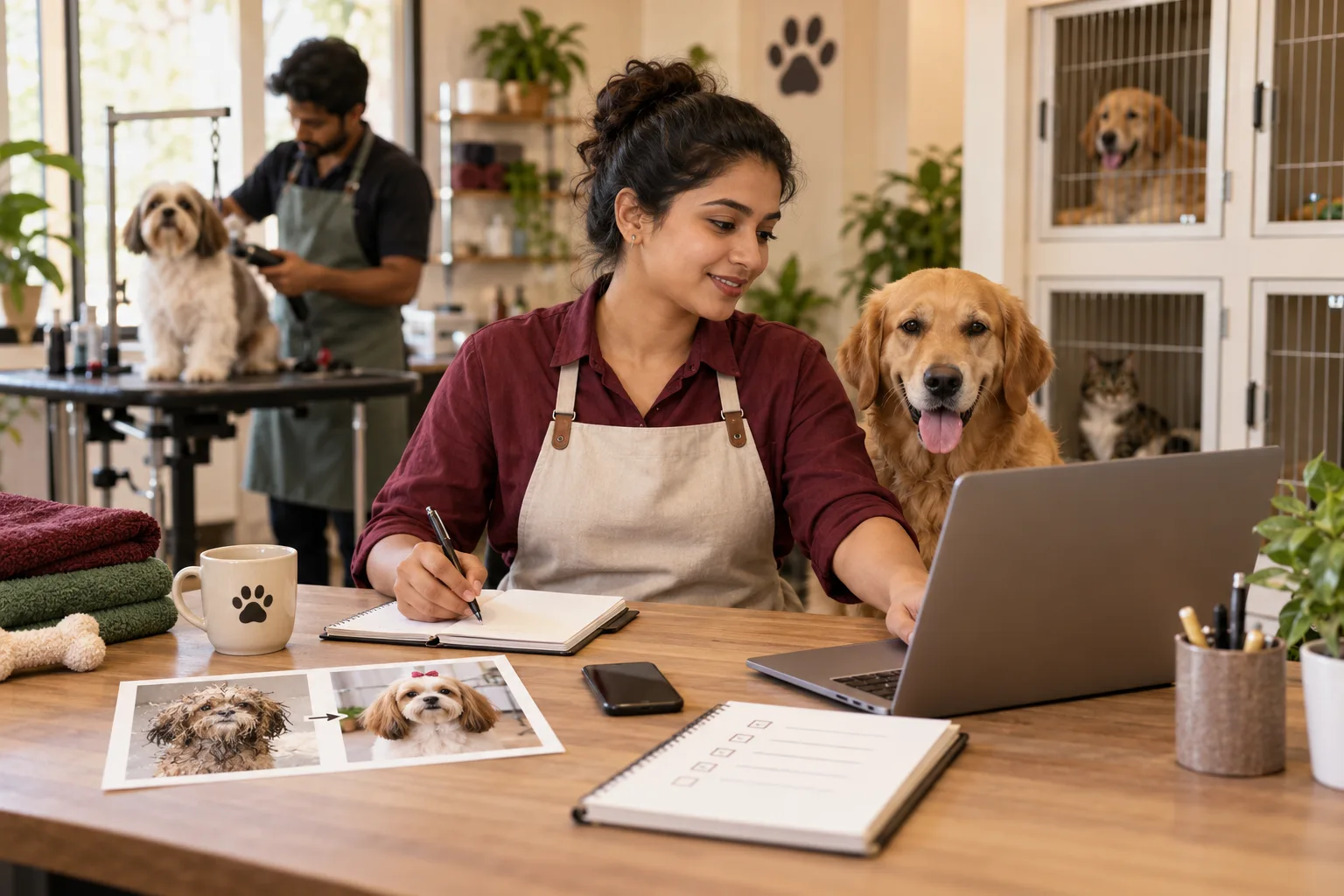 6 min read · 26 Aug 2026Pet grooming marketing: how to get grooming and boarding customersPet grooming marketing works on Maps, reviews, before and after photographs and fast replies. Boarding is won on trust. Here is how to fill both, and what a plan should cover.
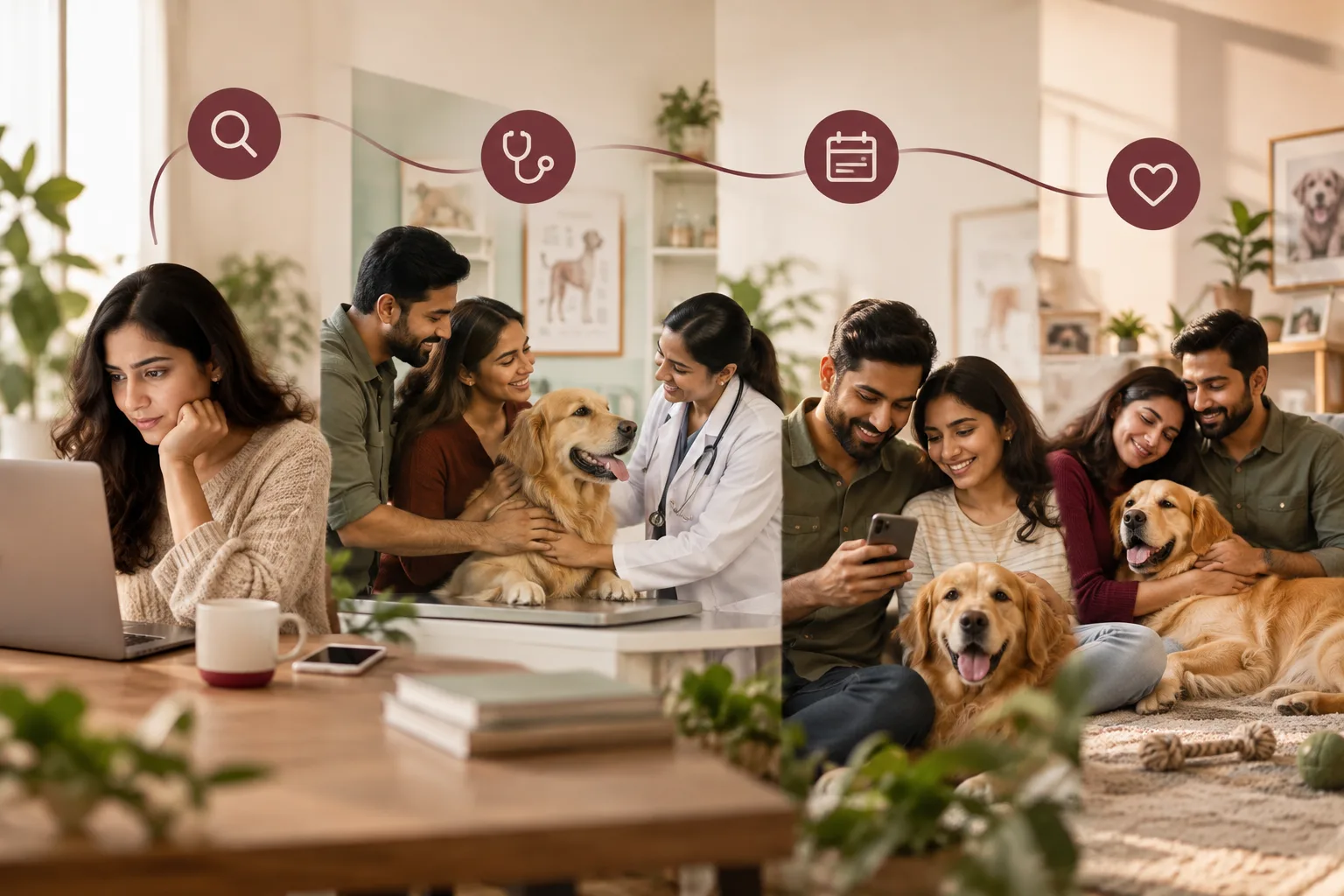 8 min read · 19 Aug 2026The pet parent journey: from the first search to regular visitsThe pet parent journey runs from the first anxious search to years of repeat visits. Here are the stages, and where Indian clinics lose owners.
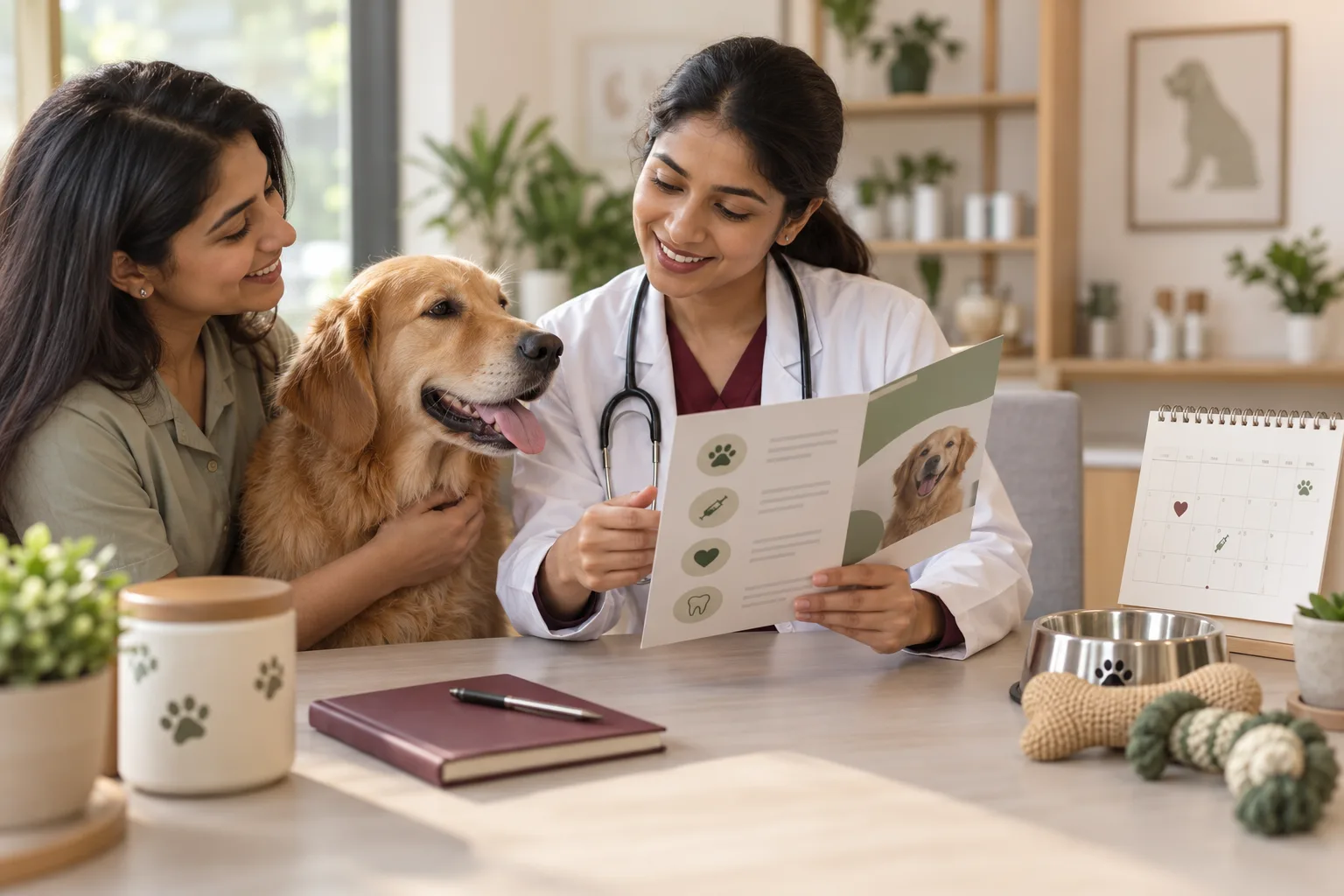 7 min read · 20 May 2026Loyalty programmes for pet clinics: the ones owners actually useA loyalty programme for a pet clinic is not a points card. It is a wellness plan paid up front, reminders for care that is already due, and one small standing benefit a regular notices.
More for veterinary clinics
Everything else we would do for you.
Closest to this: leads and follow-up
Also for veterinary clinics
Or start from the overview: sales and marketing for veterinary clinics.
Your next practical step
Tell us what you are trying to grow, and we will read it before we call.
Eight short steps, mostly taps. Skip anything you would rather answer on the call.