Veterinary clinics · Email marketing
Remind an owner about the booster shot before the puppy outgrows the schedule.
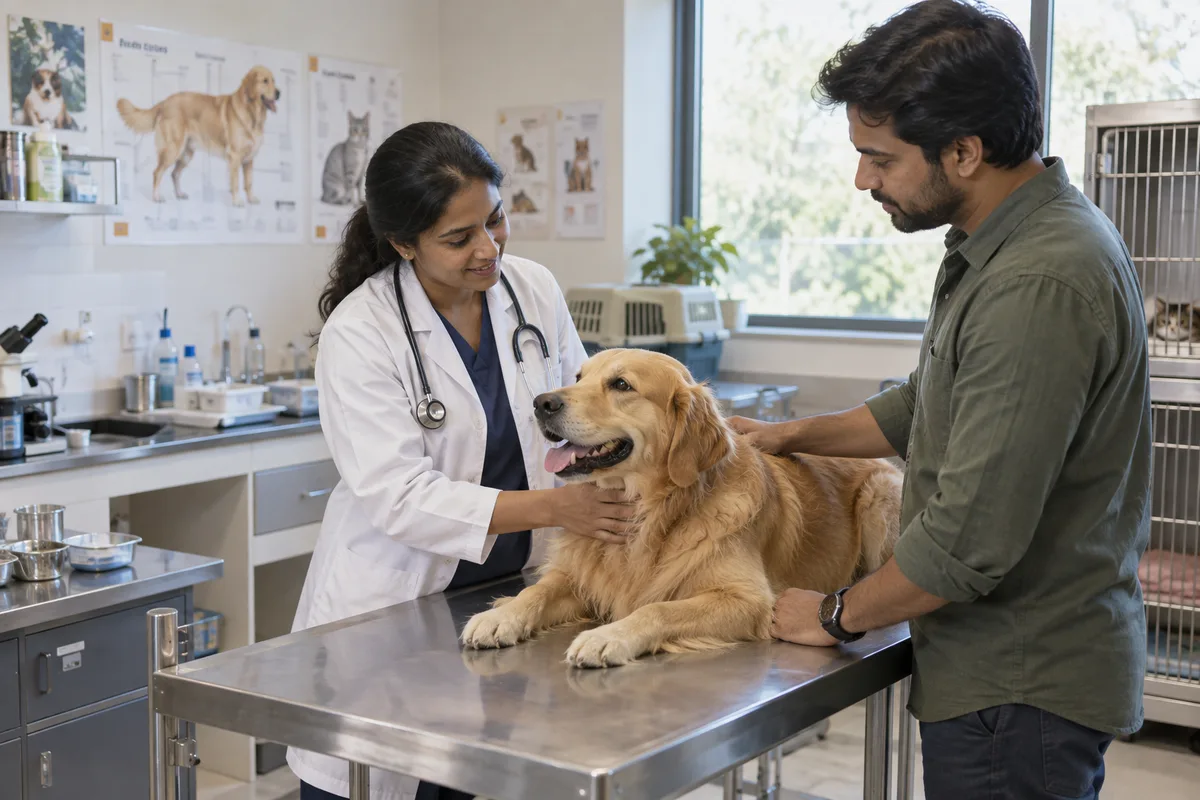
Email marketing for a veterinary clinic is a scheduled reminder, such as a vaccination due date or a seasonal parasite prevention note. It keeps the clinic part of the pet's routine care. GullySales sets this up so reminders go out consistently.
Scope, fee, reporting and term are agreed in writing after we have read your brief and spoken to you.
What email marketing means
Email marketing is sending planned messages to a list of past and prospective customers who have agreed to hear from you. It suits offers, updates and staying in touch with someone who is not ready to buy yet. GullySales writes and schedules these emails and tracks who opens, clicks and enquires.
Last updated 8 Nov 2026. Rules for this trade differ by state and professional body, and they change. We describe restrictions in general terms, so check the current position with your own council or adviser before you publish anything.
For veterinary clinics
Where it usually goes wrong, and what we would do.
“Vaccination reminders work better as a series than one email”
A reminder sent two weeks before, then a shorter one closer to the due date, catches owners who missed or ignored the first message.
“Seasonal health content earns a real open”
An email about tick prevention timed just before the monsoon feels timely and relevant, rather than a generic clinic update.
“A quiet patient deserves a gentle re-engagement email”
A pet that has not visited in over a year should get a short, caring note rather than being silently written off the list.
What we do
What we deliver for veterinary clinics.
Every deliverable, what it covers for you, and the result it is there to produce. Nothing here is an extra.
A two-step vaccination reminder series
A first reminder sent well before a booster is due, followed by a shorter one closer to the date, catching owners who missed the first message.
Result: Fewer boosters slip past their due date unnoticed.
Seasonal health emails timed to the season
A tick or parasite prevention email sent just before the monsoon, written as a timely warning rather than a generic clinic update.
Result: The email feels relevant to what the owner is already worried about.
A gentle re-engagement email for quiet patients
A short, caring note to an owner whose pet has not visited in a long while, inviting them back rather than dropping them from the list silently.
Result: A fading patient relationship gets one more honest chance.
Emails built from your vaccination and visit records
Reminder timing pulled from each pet's actual record in the clinic system, rather than a generic monthly send to the whole list.
Result: Every owner receives a reminder that is actually relevant to their pet.
Email performance checked against bookings
A review of which reminder or seasonal email actually led to a booked appointment, not just who opened it.
Result: You know which email is worth sending again next time.
How the result is measured
- Open rate
- Click rate
- Enquiries from email
Recorded as a baseline before work starts, so every later report has an honest comparison.
What must be in place first
What a veterinary clinic needs in place before it emails pet owners about vaccines and check-ups.
- Owner consent recorded at registration
- Ask for the email address on the pet's card, say what you will send, and tick a box for reminders. A phone number given for an emergency does not cover marketing mail.
- Records in a form a reminder can use
- Hold the pet's name, species, date of birth and the last vaccine with the date. A booster reminder is only right if the record is. Fix wrong dates before the first send.
- A two-part list
- Keep service reminders for vaccines and check-ups apart from offers and news. A reminder is part of care. An offer needs separate agreement.
- A sender the owner knows
- Send from the clinic or the named vet on your domain, with your address, hours and the emergency number. An owner will act on a name they trust.
- No medical claims
- Do not diagnose by email or promise a result. Say when to book a visit. Rules on advertising veterinary services differ by council and change, so check with your own.
- An unsubscribe and a bounce check
- Remove addresses that fail and honour opt-outs. Ask owners to confirm their email at the next visit.
Who it is for
This is written for these veterinary clinics.
- Small animal clinics
- Multi-vet veterinary hospitals
- Mobile and home-visit vet services
- Exotic and avian veterinary practices
- Farm and large animal veterinary services
- Pet grooming and wellness clinics with vet services
- 24-hour emergency veterinary hospitals
- Veterinary diagnostic and referral centres
Not for
It is not the right fit if.
- You have not recorded owner consent or an email address at registration, so there is no list to send to.
- The vaccination dates sit in a paper register nobody has typed up, so a reminder email would name the wrong shot.
How it works
How the email marketing work runs
The work itself, in order. How an engagement starts, from your brief to a written scope, is set out on our method page.
- 1
Understand your list
We review who is on the list, how they got there, what they agreed to, and how long since they last heard from you.
- 2
Audit past sends
We read past campaign reports, your sending domain settings and any spam complaints to see what has and has not worked.
- 3
Segment and plan
The list is split into groups and a sending calendar is agreed, with a rule for unsubscribes and quiet addresses.
- 4
Write and set up
Emails are written, checked and scheduled in your email tool. Welcome and nurture emails are set to send on a trigger where that fits.
- 5
Measure and adjust
We read clicks, replies, enquiries and complaints by segment, and change subject lines, timing and content to match.
Where this fits
Three pieces of sales work, in this order.
This work sits inside sales process design, at stage 0, foundation. The audit comes before it, and sales management keeps it running.
Step 1
Sales audit
Find where deals are being lost and what to fix first.
Start here if you cannot say where orders are lost.
Step 2 · you are here
Sales process design
One written way to sell, from first enquiry to repeat order.
Start here if every salesperson sells differently.
Step 3
Sales management
A target, a review routine and someone who owns the number.
Start here if the team has targets and no routine.
FAQ
Questions owners ask before they call.
Not here? More answers, or ask on WhatsApp.
How often should a clinic email owners?
Do owners actually respond to these reminders?
Can we email owners advice about their pet's symptoms?
What do we do with owners who never open our reminders?
How much does it cost?
How long is the contract?
How soon will we see results?
Who will actually do the work?
What do you need from us?
What if we are not happy with the work?
From the blog
Further reading for veterinary clinics.
 6 min read · 26 Aug 2026Pet grooming marketing: how to get grooming and boarding customersPet grooming marketing works on Maps, reviews, before and after photographs and fast replies. Boarding is won on trust. Here is how to fill both, and what a plan should cover.
 8 min read · 19 Aug 2026The pet parent journey: from the first search to regular visitsThe pet parent journey runs from the first anxious search to years of repeat visits. Here are the stages, and where Indian clinics lose owners.
 7 min read · 20 May 2026Loyalty programmes for pet clinics: the ones owners actually useA loyalty programme for a pet clinic is not a points card. It is a wellness plan paid up front, reminders for care that is already due, and one small standing benefit a regular notices.
More for veterinary clinics
Everything else we would do for you.
Closest to this: messaging and automation
Also for veterinary clinics
Or start from the overview: sales and marketing for veterinary clinics.
Your next practical step
Tell us what you are trying to grow, and we will read it before we call.
Eight short steps, mostly taps. Skip anything you would rather answer on the call.