Veterinary clinics · Social media
Post the recovery story that reassures an anxious new owner.
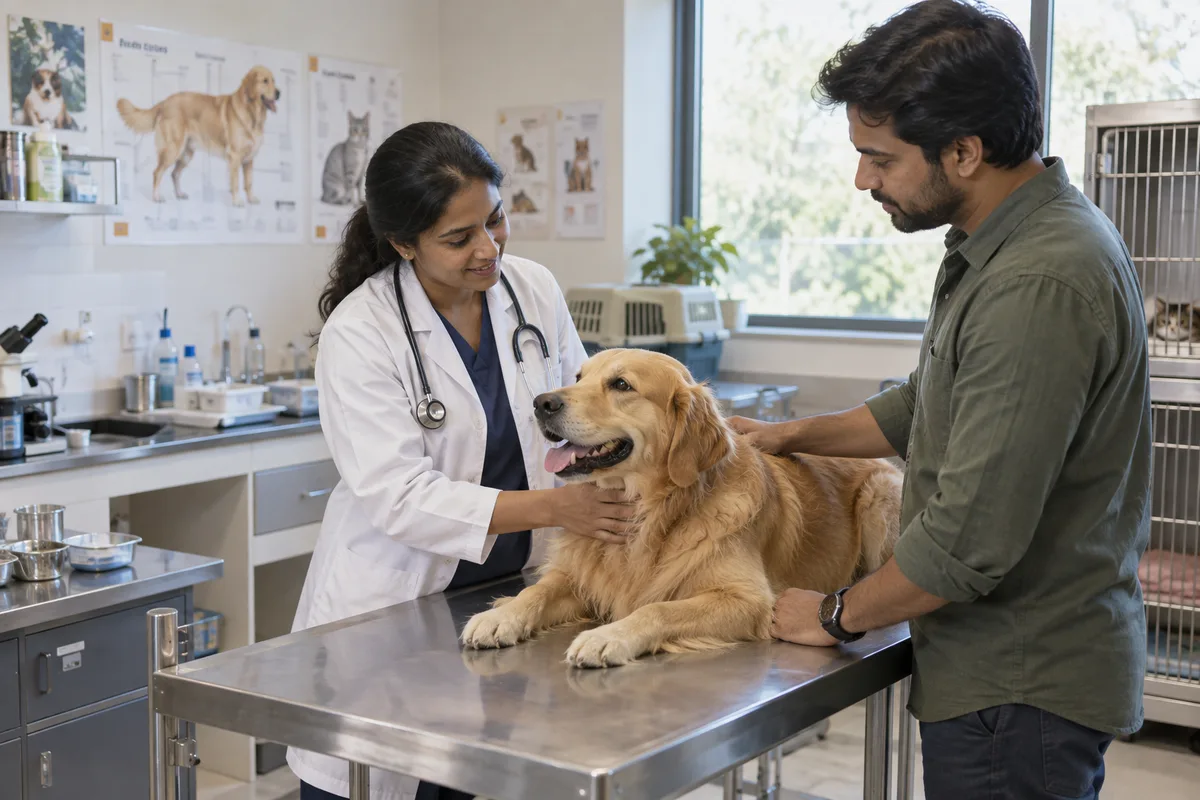
Social media for a veterinary clinic means posts that build trust and reassurance, such as a pet's recovery story or a simple explainer on a common health concern. This is different from generic cute animal content. GullySales agrees the month's posts with your vets and puts them out on a set day.
Scope, fee, reporting and term are agreed in writing after we have read your brief and spoken to you.
What social media means
Social media is the ongoing posting your business does on platforms such as Instagram, Facebook and LinkedIn to stay visible to customers and prospects between purchases. GullySales plans a posting calendar, writes captions and designs the images so the page looks active and answers what a visitor would ask.
Last updated 8 Nov 2026. Rules for this trade differ by state and professional body, and they change. We describe restrictions in general terms, so check the current position with your own council or adviser before you publish anything.
For veterinary clinics
Where it usually goes wrong, and what we would do.
“A real recovery story builds more trust than a stock photo”
A short, respectful post about a patient recovering from surgery, with the owner's permission, reassures a prospective client far more than generic pet imagery.
“Simple health explainers perform well and build authority”
A short post explaining a common concern, such as why regular deworming matters, positions the clinic as knowledgeable rather than only promotional.
“Comments asking for advice need a careful, general reply”
A specific medical question in the comments should get a brief, general answer directing the owner to book a visit, not a diagnosis in public.
What we do
What we deliver for veterinary clinics.
Every deliverable, what it covers for you, and the result it is there to produce. Nothing here is an extra.
A content calendar built around real recovery stories
A planned schedule using genuine, permitted recovery stories from real patients, in place of generic cute animal or stock imagery.
Result: Followers see the clinic's real work, not a stock photo.
Short health explainer posts on common concerns
Posts explaining a common concern, such as why regular deworming matters, positioning the clinic as knowledgeable rather than only promotional.
Result: The clinic is seen as informative, not just another page posting photos.
A careful reply approach for advice-seeking comments
A written approach for answering a specific medical question in the comments briefly and generally, directing the owner to book a visit rather than diagnosing publicly.
Result: A public question is handled responsibly without turning into public diagnosis.
A consent process for sharing patient stories
A simple, recorded consent step from the owner before any patient's story or photo is posted.
Result: Every story shared is one the owner has clearly agreed to.
A post-performance review tied to calls
A look at which posts actually brought in a call or message from an owner, not just likes or views, feeding the next content calendar.
Result: The calendar keeps favouring the kind of post that actually brings owners in.
How the result is measured
- Posts published
- Engagement rate
- Enquiries from social profiles
Recorded as a baseline before work starts, so every later report has an honest comparison.
Platform for this buyer
Where pet owners look, and what a vet clinic posts on each.
- Instagram reels of visits and the clinic
- Show a puppy's first visit, the consulting room and the vet explaining one thing to the owner. Get the owner's consent. The action is to book through the WhatsApp link.
- WhatsApp lists for vaccination and follow-up reminders
- Send reminders only to owners who agreed. State the due visit and the clinic hours. The action is to reply to book a slot.
- Facebook pet owner groups
- Reply to 'which vet' threads with your area, hours and services. Follow the group's rules. Never give medical advice for a named pet in a thread. The action is to call the clinic.
- Google Business Profile
- Post clinic hours, emergency arrangements and equipment photographs. Owners search in a hurry. The action is a call or directions.
- YouTube on handling pets
- Show how to bring a cat in a carrier, or a nervous dog to the clinic. The action is to book a first visit.
- What not to post
- A pet in distress, an owner's name, advice for a case, claims of cure, or a pet that died without the owner's wish to share.
Who it is for
This is written for these veterinary clinics.
- Small animal clinics
- Multi-vet veterinary hospitals
- Mobile and home-visit vet services
- Exotic and avian veterinary practices
- Farm and large animal veterinary services
- Pet grooming and wellness clinics with vet services
- 24-hour emergency veterinary hospitals
- Veterinary diagnostic and referral centres
Not for
It is not the right fit if.
- No one at the clinic can keep an account answered, and a comment about a sick pet left under a post harms the clinic.
- Your only photographs show patients whose owners have not agreed to their use, and posts need new, consented material.
How it works
How the social media work runs
The work itself, in order. How an engagement starts, from your brief to a written scope, is set out on our method page.
- 1
Confirm audience, platforms and access
We note which platforms your buyers use and check that the pages sit under your own business accounts, with you as owner and us as added roles.
- 2
Review the current presence
We read the existing pages, the posts that drew replies and the gaps in posting.
- 3
Build the calendar
Themes, formats and dates are set out for your approval, with space for offers and news.
- 4
Create, approve and publish
Posts are made, approved by you and scheduled. Replies to the public are handled in your voice.
- 5
Record enquiries and adjust
Enquiries are logged against the post or platform where they began, and the mix changes to follow what brings them.
Where this fits
Three pieces of sales work, in this order.
This work sits inside sales process design, at stage 0, foundation. The audit comes before it, and sales management keeps it running.
Step 1
Sales audit
Find where deals are being lost and what to fix first.
Start here if you cannot say where orders are lost.
Step 2 · you are here
Sales process design
One written way to sell, from first enquiry to repeat order.
Start here if every salesperson sells differently.
Step 3
Sales management
A target, a review routine and someone who owns the number.
Start here if the team has targets and no routine.
FAQ
Questions owners ask before they call.
Not here? More answers, or ask on WhatsApp.
How often should a clinic post?
Should the vet appear on camera personally?
Can we post photographs of boarding and grooming pets?
Can we repost an owner's video praising the clinic?
How much does it cost?
How long is the contract?
How soon will we see results?
Who will actually do the work?
What do you need from us?
What if we are not happy with the work?
From the blog
Further reading for veterinary clinics.
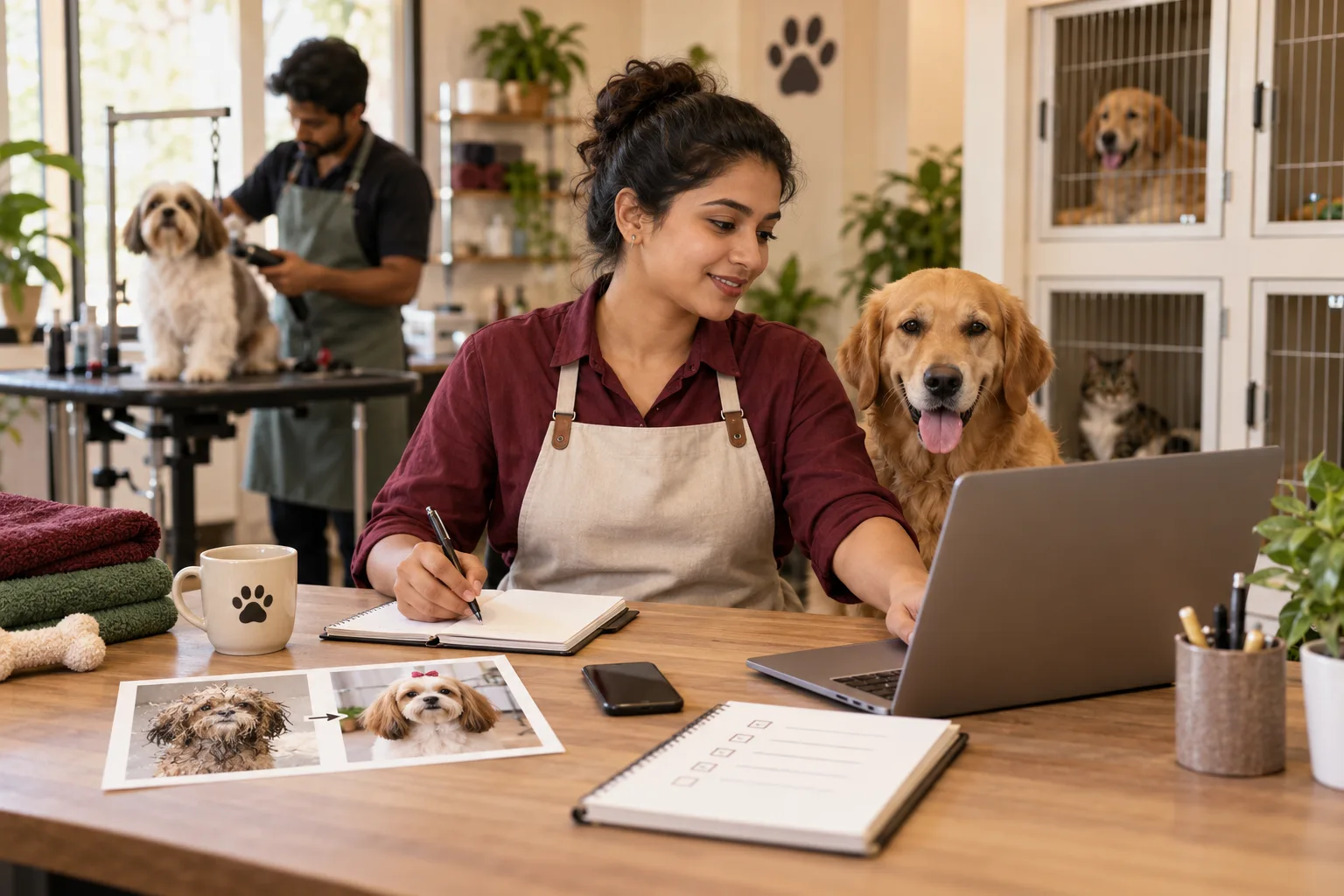 6 min read · 26 Aug 2026Pet grooming marketing: how to get grooming and boarding customersPet grooming marketing works on Maps, reviews, before and after photographs and fast replies. Boarding is won on trust. Here is how to fill both, and what a plan should cover.
 8 min read · 19 Aug 2026The pet parent journey: from the first search to regular visitsThe pet parent journey runs from the first anxious search to years of repeat visits. Here are the stages, and where Indian clinics lose owners.
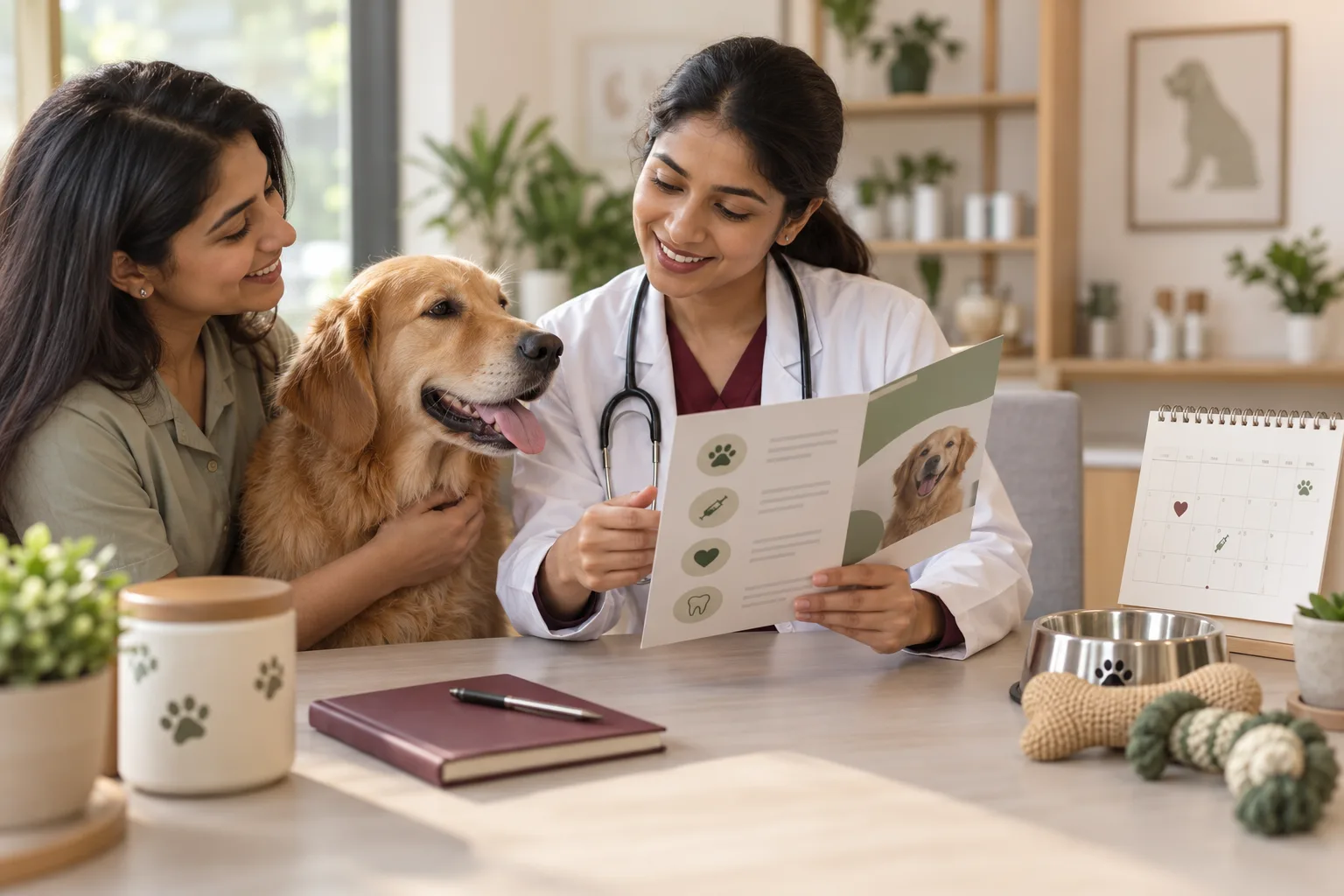 7 min read · 20 May 2026Loyalty programmes for pet clinics: the ones owners actually useA loyalty programme for a pet clinic is not a points card. It is a wellness plan paid up front, reminders for care that is already due, and one small standing benefit a regular notices.
More for veterinary clinics
Everything else we would do for you.
Closest to this: content and social
Also for veterinary clinics
Or start from the overview: sales and marketing for veterinary clinics.
Your next practical step
Tell us what you are trying to grow, and we will read it before we call.
Eight short steps, mostly taps. Skip anything you would rather answer on the call.