Veterinary clinics · Customer retention
Keep the puppy on your card from the first shot to the senior years.
A pet is a patient for a decade or more, and most clinics lose the animal somewhere between the last puppy vaccination and the first annual booster. Retention is about holding that gap and the ones after it. GullySales builds the wellness plan, the reminder behind it, and an honest view of whether a loyalty scheme earns its place.
Scope, fee, reporting and term are agreed in writing after we have read your brief and spoken to you.
What customer retention means
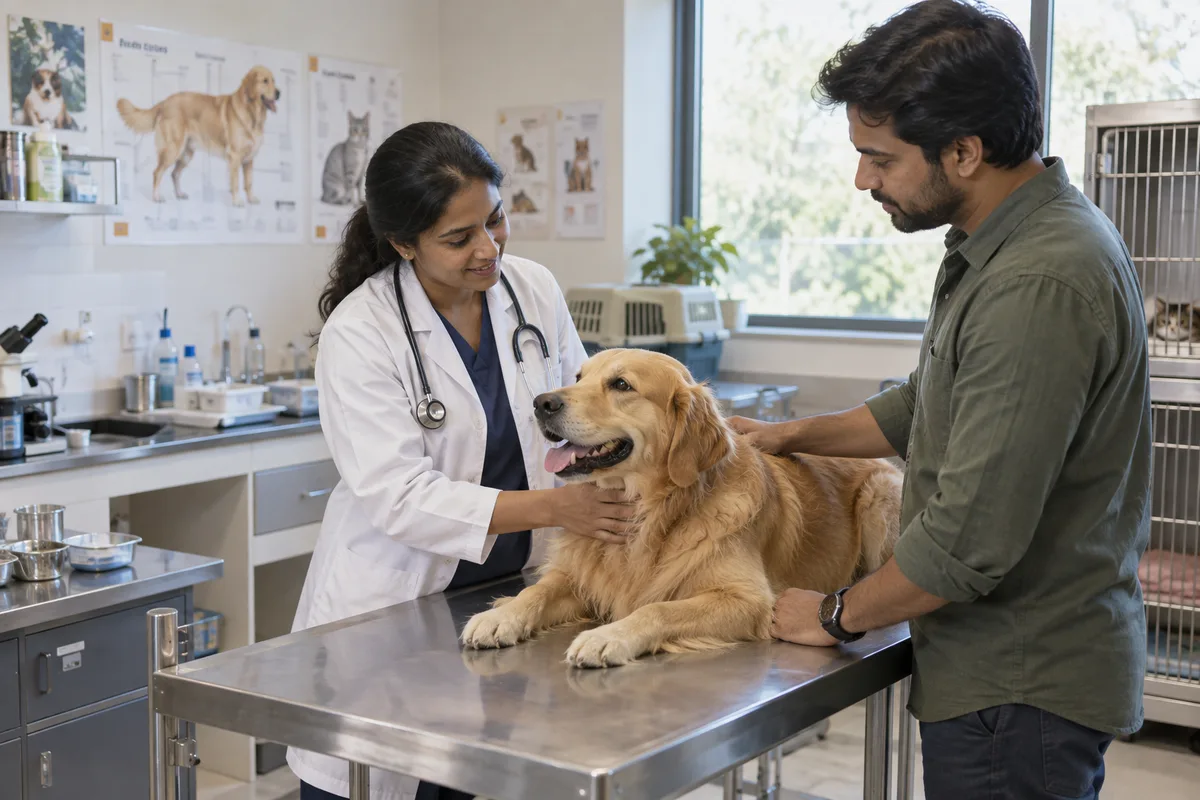
Customer retention is keeping an existing customer buying again rather than losing them to a competitor after the first purchase, usually cheaper than winning a new customer. GullySales sets a routine of check-ins and renewal reminders aimed at customers before they show signs of leaving.
Last updated 8 Nov 2026. Rules for this trade differ by state and professional body, and they change. We describe restrictions in general terms, so check the current position with your own council or adviser before you publish anything.
For veterinary clinics
Where it usually goes wrong, and what we would do.
“The gap after the puppy course is where owners are lost”
Three or four visits close together, then nothing for the best part of a year. By the time the booster falls due the owner has moved, changed vets or taken the shot at the pet shop that sells the food.
“A wellness plan is one of the few loyalty schemes that pays here”
Deworming, flea treatment, food and an annual check are bought by the owner anyway, so a plan that bundles them is not a discount on work you were doing free. Price it on what the animal actually needs, not on what fills a package.
“The senior years are the most valuable and the easiest to lose”
An older dog needs dental work, blood tests and joint care, and the owner who drifted away at year two turns up at a twenty-four hour hospital instead. Keeping a middle-aged animal on the books is worth more than any new puppy.
What we do
What we deliver for veterinary clinics.
Every deliverable, what it covers for you, and the result it is there to produce. Nothing here is an extra.
A lifetime schedule set at the first visit
The puppy or kitten course, the first annual booster, deworming dates and the age at which senior checks begin, loaded against the animal on day one.
Result: The clinic knows what is next for that pet for years ahead.
The gap after the puppy course closed with a named contact
A call or message written for the months between the last puppy vaccination and the first booster, so the clinic does not simply go silent.
Result: Owners do not drift to a pet shop for the annual shot.
A wellness plan priced on what the animal needs
A package of the consultations, deworming, parasite treatment and check-ups that a healthy animal takes in a year, costed so it holds up for you and for the owner.
Result: You have a plan worth selling rather than a discount.
Multi-pet households recognised in the offer
Households with two dogs and a cat handled as one owner with three schedules, and priced so the second and third animal are not treated as strangers.
Result: The whole household stays with one clinic.
A senior care conversation timed to the animal's age
A prompt at the right age, with what to raise about dental, joints and blood work, so the owner hears it from you before a crisis.
Result: The clinic is already involved when the animal slows down.
Lapsed pets separated out and worked
Animals with no visit for a long stretch, filtered for those that have died, with a short and gentle note written for the rest.
Result: You find the owners who drifted while they are still reachable.
Returning owners counted against the baseline
The share of appointments coming from existing patients and the number of animals still on schedule, measured against the figures recorded at the start.
Result: Retention is a count you can look at, not a hope.
How the result is measured
- Retention rate
- Repeat purchase rate
- Customers won back
Recorded as a baseline before work starts, so every later report has an honest comparison.
Work it out from your records
The patient-gap figures a veterinary clinic can read from its vaccination cards and visit register.
- Pets due for a booster or deworming
- From each pet's card, work out the next due date for the vaccine and the deworming. List pets whose due date has passed with no visit recorded. That is the recall list, and the first call goes to the owner.
- Puppies who finished the first course
- Group puppies and kittens by their first vaccination date. Mark those who came for the final dose of the course and those who came for the first annual booster. The drop-off between the two is the gap to watch.
- Households with more than one pet
- Group by owner phone number to find families with several animals. Note which pets are up to date and which are not. One call can cover all of them, and a family plan makes sense here.
- Senior pets without a check-up
- Pull up pets above the age you consider senior, and check when they last had a blood test or an examination. A reminder about an older pet's check-up, written plainly, is both good care and a reason to return.
- Surgeries advised but not booked
- From the case notes, list animals where a procedure was advised and the owner went away to think. Ring the owner once to ask if they have questions, and note the answer.
Who it is for
This is written for these veterinary clinics.
- Small animal clinics
- Multi-vet veterinary hospitals
- Mobile and home-visit vet services
- Exotic and avian veterinary practices
- Farm and large animal veterinary services
- Pet grooming and wellness clinics with vet services
- 24-hour emergency veterinary hospitals
- Veterinary diagnostic and referral centres
Not for
It is not the right fit if.
- The clinic has no list of pets and owners to work from, so there is nobody to retain until the registers are typed up.
- Reminders are going out with wrong dates, so a retention plan would reach more owners with bad information.
How it works
How the customer retention work runs
The work itself, in order. How an engagement starts, from your brief to a written scope, is set out on our method page.
- 1
Read the records
Your sales and billing records are read for repeat purchase, the normal gap between orders and the customers who have gone quiet. The record-keeping gaps found here are listed.
- 2
Ask why they stopped
A small set of lapsed and current customers is called with your team's consent, and asked plainly what changed. The reasons are sorted into price, service, competitor and circumstance.
- 3
Build the strategy
The written plan sets priority groups, touchpoints, offers, owners, consent rules and a target.
- 4
Align existing tactics
Each retention activity you already run is mapped against the plan, then kept, changed or dropped.
- 5
Start with one group
The plan goes live for the most valuable at-risk group first, with a held-back comparison group, before it widens.
- 6
Review against the baseline
Retention is compared with the baseline recorded before work began. How often you are reported to is agreed in writing.
Where this fits
Three pieces of sales work, in this order.
This work sits inside sales process design, at stage 7, after the sale. The audit comes before it, and sales management keeps it running.
Step 1
Sales audit
Find where deals are being lost and what to fix first.
Start here if you cannot say where orders are lost.
Step 2 · you are here
Sales process design
One written way to sell, from first enquiry to repeat order.
Start here if every salesperson sells differently.
Step 3
Sales management
A target, a review routine and someone who owns the number.
Start here if the team has targets and no routine.
FAQ
Questions owners ask before they call.
Not here? More answers, or ask on WhatsApp.
Do loyalty programmes actually work for pet clinics?
Owners take the booster at a pet shop because it is cheaper. What can we do?
An owner moved house. Do we lose the pet?
Should the reminder go to the owner's WhatsApp or by call?
How much does it cost?
How long is the contract?
How soon will we see results?
Who will actually do the work?
What do you need from us?
What if we are not happy with the work?
From the blog
Further reading for veterinary clinics.
 6 min read · 26 Aug 2026Pet grooming marketing: how to get grooming and boarding customersPet grooming marketing works on Maps, reviews, before and after photographs and fast replies. Boarding is won on trust. Here is how to fill both, and what a plan should cover.
 8 min read · 19 Aug 2026The pet parent journey: from the first search to regular visitsThe pet parent journey runs from the first anxious search to years of repeat visits. Here are the stages, and where Indian clinics lose owners.
 7 min read · 20 May 2026Loyalty programmes for pet clinics: the ones owners actually useA loyalty programme for a pet clinic is not a points card. It is a wellness plan paid up front, reminders for care that is already due, and one small standing benefit a regular notices.
More for veterinary clinics
Everything else we would do for you.
Closest to this: customers after the sale
Also for veterinary clinics
Or start from the overview: sales and marketing for veterinary clinics.
Your next practical step
Tell us what you are trying to grow, and we will read it before we call.
Eight short steps, mostly taps. Skip anything you would rather answer on the call.