Handyman and home maintenance services · Follow up systems
Call back the customer who sent a photograph and heard nothing, before another firm does.
A follow-up system for a handyman business is a fixed routine for what happens after the first message: the unanswered enquiry, the quote sent, the visit made and the job finished. GullySales writes the routine with your team and sets up a sheet where every enquiry has an owner and a next date.
Scope, fee, reporting and term are agreed in writing after we have read your brief and spoken to you.
What follow up systems means
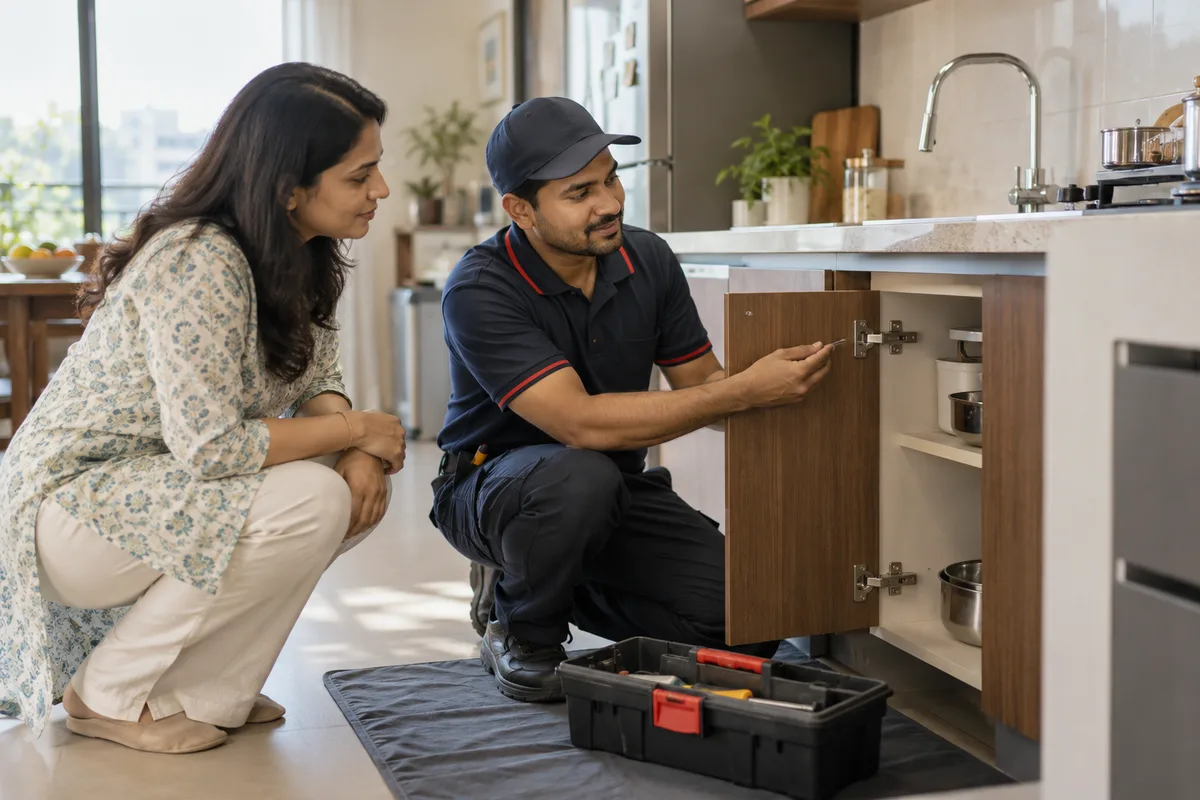
A follow-up system is the set routine for calling, messaging or emailing an enquiry more than once, since most buyers do not decide on the first conversation. GullySales sets the number and timing of follow-ups so an undecided buyer keeps hearing from you until they decide either way.
Also for handyman and home maintenance services
- Lead generation for handyman services
- CRM for handyman services
- SEO for handyman and home maintenance services
- Local SEO for handyman and home maintenance services
- Pay per click advertising for handyman and home maintenance services
- Reputation management for handyman and home maintenance services
- Content marketing for handyman and home maintenance services
- Social media marketing for handyman and home maintenance services
Sales and marketing for handyman and home maintenance services, the overview.
Last updated 14 Nov 2026.
For handyman and home maintenance services
Where it usually goes wrong, and what we would do.
“The quote is sent and nothing follows”
A customer waiting for a waterproofing quote hears nothing for a week and books the firm that called.
“Missed calls are not called back”
A technician is on a ladder when the phone rings, and the number is not logged. The customer tries someone else.
“A job is done and the customer is forgotten”
A geyser fitted in March has a service due in a year, and no one remembers to tell the owner.
What we do
What we deliver for handyman and home maintenance services.
The work available for this need. We agree the deliverables and responsibilities for your engagement in writing.
A sheet where each enquiry has an owner
A shared sheet with the name, area, job, source, quote and next step, and the person responsible for the next call.
Result: No enquiry sits without a name beside it.
A missed-call routine
A rule that every missed call is logged and called back, with a WhatsApp message if the call is not picked up.
Result: The customer who rang gets an answer.
Quote follow-up messages
Written messages for after a quote is sent, in the language the customer used, each with a question and a way to book.
Result: A customer who is thinking hears from you again.
After-job checks
A message after the job asking whether the repair holds and whether anything is left, with the review link for those who are pleased.
Result: Problems are caught before they become reviews.
A reminder list for repeat work
A list of customers with a service due, such as geysers, water tanks and AC units, with the date to contact them.
Result: Past customers hear from you before the next fault.
How the result is measured
- Follow-up completion rate
- Average number of follow-ups before close
- Enquiries closed after repeat follow-up
Recorded as a baseline before work starts, so every later report has an honest comparison.
Follow-up routine for this trade
Each stage of a repair enquiry needs its own follow-up, with an owner and a record.
- Enquiry not yet answered
- Reply the same day, by call or WhatsApp, whoever is free. Note the job, the area and a photograph if they have one. If you cannot reach the area, say so at once.
- Quote sent
- Call or message after a day or two, asking whether the quote is clear and whether they want to book. Record the answer and the date to try again.
- Visit made but not booked
- The technician has seen the job. Send a message with a written summary of what was found and what is needed, and offer a slot. Note the objection, such as price or timing.
- I will think about it
- Ask what they are weighing and when they decide. Set a date in the sheet, and call then. If it is a price comparison, offer to explain the difference in what is included.
- After the job
- Message the same evening to ask whether the repair is fine. If it is, send the review link. If not, book a return visit before the customer posts anything.
- Lapsed customer
- A customer who has not called for a year gets a message with a seasonal reminder, such as pre-monsoon checks. Stop after one reminder if they do not reply.
Who it is for
This is written for these handyman and home maintenance services.
- Single-trade plumbers and electricians
- Carpenters and furniture fixers
- Painters and waterproofing teams
- Multi-skill handyman firms
- AC and appliance repair teams
- Home AMC providers for flats and villas
- Property maintenance for landlords and PGs
- Pre-move-in and post-handover snagging teams
Before you decide
When this may not be the right fit.
- Missed calls are not logged, so there is nothing to follow up beyond the calls that were picked up.
- Nobody is named to own the follow-up, so reminders would go to a technician on a ladder.
- The firm is full for the coming days, so chasing quotes would create jobs it has to refuse.
Before you decide
Agree the work. Know how to judge it.
Follow-up systems for handyman and home maintenance services: use these checks to prepare, choose the scope, and review what changes.
Bring the right evidence
Trace recent enquiries from arrival to the last recorded action. Include a won enquiry, an unsuitable one, and one that went quiet, with personal details removed for the initial discussion.
Make the scope clear
Agree who accepts each enquiry, what makes it qualified, and how ownership changes. Include a rule for missed replies and a clear reason for closing an enquiry.
Check the work in use
Pick an enquiry at random and ask the team to find its owner, latest conversation, and next action. Check that the record agrees with what actually happened.
Know when to change course
If no one has capacity to respond, assign that responsibility before buying more leads. Automation can support the owner, but it cannot replace an unresolved handover.
These are discussion points, not a fixed package. GullySales confirms the deliverables, responsibilities, fee, and term in writing after reading your brief and speaking with you.
Before we start
What to have ready before the work starts.
The records, access and decisions this work needs from handyman and home maintenance services. Anything missing is noted in the written scope, with who will supply it.
- The last batch of enquiries
- Bring recent calls, messages and quotes, however untidy. They let us trace where enquiries stall. If the record is only in memory, the first sheet starts empty and the lessons come later.
- A named person for the missed call
- A missed call needs a callback by someone with the time. Choose who, and agree what they do when the crew is busy. If nobody is named, the routine reaches the sheet and no further.
- A decision on when to stop
- Tell us how many times you are willing to follow an enquiry before letting it go. The routine needs an end, or it irritates customers. Without it, we set a modest limit and you can adjust it.
- A phone or desk that records outcomes
- Each row on the sheet needs an outcome written by someone who knows it: booked, declined, no reply. Choose who writes. Otherwise the sheet fills with questions and never shows what worked.
- Your standard quote wording
- The quote message must say what the visit covers and what may change. Bring the wording you use. If there is none, we draft it, and you check it against the last quotes you gave.
How it works
How the follow up systems work runs
The work itself, in order. How an engagement starts, from your brief to a written scope, is set out on our method page.
- 1
Trace where one enquiry gets lost
We take a handful of recent enquiries and follow each from the first call or message to the end: was it answered, was a quote sent, was a visit made, was the bill paid. The owner and desk walk us through. You see where the thread breaks, which is at the point between the quote and the next message, or after the visit when the bill is sent and nobody asks whether the repair is holding.
- 2
Decide who owns each stage
We agree who handles the missed call, who sends the quote, who checks after the visit and who asks for the review. For a small crew, this may be the desk, the owner and one technician. You write the names on the sheet, so no enquiry sits with nobody. When a person is on leave, the sheet shows who covers, and the substitute is told before the day begins.
- 3
Build the enquiry sheet with a next date
We make a simple shared sheet where every enquiry has a row: name, fault, area, quote, owner and next date. You and the desk test it with live enquiries. If it slows the desk, we cut columns until it fits the work and gets used, and we keep a note column for the odd detail a technician wants to pass on.
- 4
Write the missed-call and quote messages
We draft a message for the missed call, one for the quote nobody answered, and one for the customer who said they would think about it. They are short, polite and in the customer's language. You read them aloud, change what does not sound like you, and approve the final set.
- 5
Add the after-job check and repeat list
After a job, a short message asks whether the work is holding and whether there is anything else to fix. Jobs with a natural return, such as a geyser service or yearly painting, go on a reminder list. You decide which jobs are worth a reminder, and which would feel intrusive.
- 6
Count recovered enquiries against the baseline
We compare how many enquiries reached a visit and a paid job now with the notes from the first trace. We also read the sheet for rows that stalled. You decide where the routine needs another person or a firmer rule.
Where this fits
Three pieces of sales work, in this order.
This work sits inside sales process design, at stage 2, qualification. The audit comes before it, and sales management keeps it running.
Step 1
Sales audit
Find where deals are being lost and what to fix first.
Start here if you cannot say where orders are lost.
Step 2 · you are here
Sales process design
One written way to sell, from first enquiry to repeat order.
Start here if every salesperson sells differently.
Step 3
Sales management
A target, a review routine and someone who owns the number.
Start here if the team has targets and no routine.
FAQ
Questions owners ask before they call.
Not here? More answers, or ask on WhatsApp.
Will too many messages annoy customers?
Who should own the follow-up, the technician or the office?
Do we follow up on WhatsApp or by call?
When should we stop following up?
Who should do the follow-up, the technician or the office?
Should we follow up on WhatsApp or by call?
How much does it cost?
How long is the contract?
How soon will we see results?
Who will actually do the work?
From the blog
Further reading for handyman and home maintenance services.
 6 min read · 29 Nov 2025What to say on the first call for a home service jobA word-for-word outline for the first call for a home visit: what to ask, what to state about the visit, and the confirmation.
 5 min read · 18 Aug 2026Getting steady work from apartments and resident associationsHow a home service contractor wins steady work from apartments and resident associations: a one-page profile, a trial job, a named escalation contact.
 5 min read · 17 Jul 2026Wording a warranty or guarantee that the customer believes and you can keepA plain-words home service warranty template: what is covered, for how long, what is not and how to claim, so customers trust it and crews can honour it.
More for handyman and home maintenance services
Related work to consider.
Closest to this: leads and follow-up
Also for handyman and home maintenance services
- SEO for handyman and home maintenance services
- Local SEO for handyman and home maintenance services
- Pay per click advertising for handyman and home maintenance services
- Reputation management for handyman and home maintenance services
- Content marketing for handyman and home maintenance services
- Social media marketing for handyman and home maintenance services
Or start from the overview: sales and marketing for handyman and home maintenance services.
Your next practical step
Tell us what you are trying to grow, and we will read it before we call.
Eight short steps, mostly taps. Skip anything you would rather answer on the call.