Water and fire damage restoration companies · Social media
Post for the plumbers and the property managers, not for homeowners.
Social media for a restoration company reaches the people who hand out your name: plumbers, agents, property managers and technicians deciding where to work next. GullySales posts the work as it happens, keeps homeowner permission on every photograph, and gets storm messages to the people who need them.
Scope, fee, reporting and term are agreed in writing after we have read your brief and spoken to you.
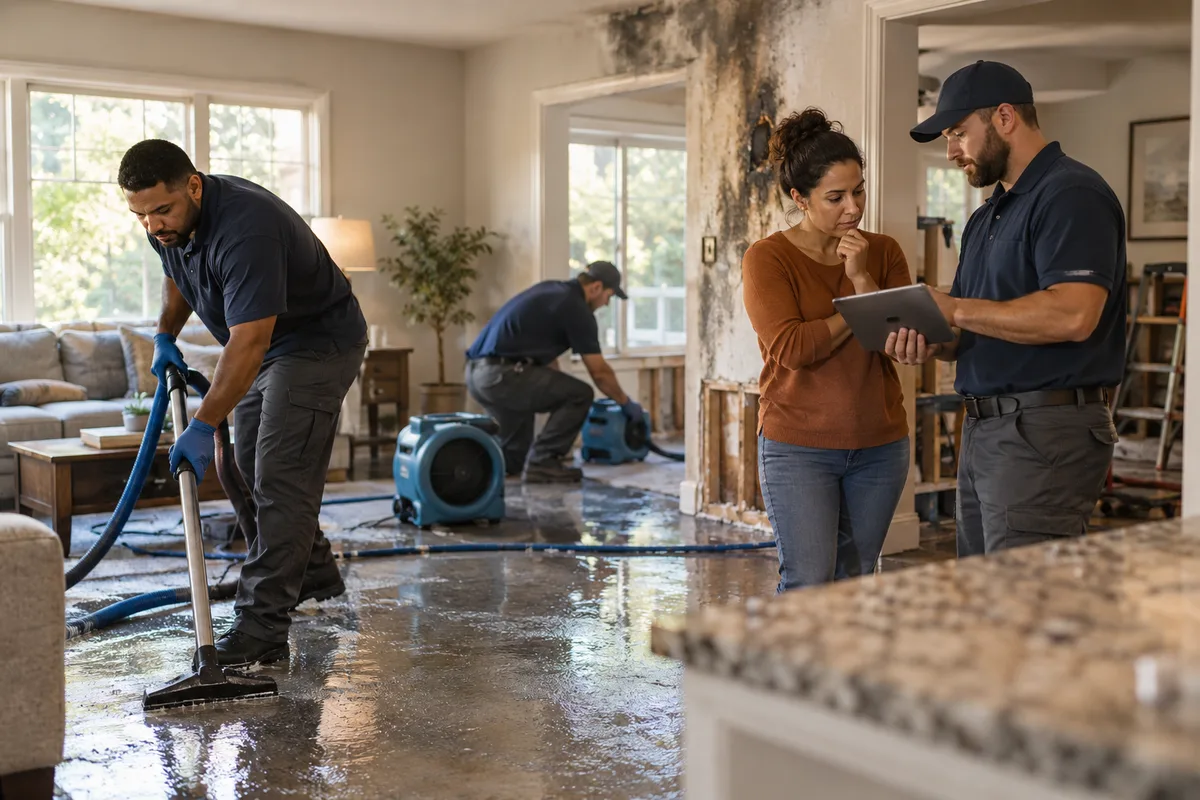
What social media means
Social media is the ongoing posting your business does on platforms such as Instagram, Facebook and LinkedIn to stay visible to customers and prospects between purchases. GullySales plans a posting calendar, writes captions and designs the images so the page looks active and answers what a visitor would ask.
Also for water and fire damage restoration companies
- Content marketing for water and fire damage restoration companies
- SEO for water and fire damage restoration companies
- PPC ads for water and fire damage restoration companies
- Lead generation for water and fire damage restoration companies
- Digital marketing for water and fire damage restoration companies
- Reputation management for water and fire damage restoration companies
- Local SEO for water and fire damage restoration companies
- Branding and identity for water and fire damage restoration companies
Sales and marketing for water and fire damage restoration companies, the overview.
Last updated 14 Nov 2026.
For water and fire damage restoration companies
Where it usually goes wrong, and what we would do.
“No homeowner follows a restoration company”
Nobody plans for a flood, so there is no audience waiting on your posts. The plumber, the agent and the apartment manager are already scrolling.
“A before and after is the only thing that travels”
A blackened kitchen beside the finished one gets shared by the homeowner, the agent and the board. Ask permission before the first photograph.
“A storm week is when the page earns its keep”
Property managers watch local pages during a freeze. A post naming the counties your crews are covering today gets answered within the hour.
What we do
What we deliver for water and fire damage restoration companies.
The work available for this need. We agree the deliverables and responsibilities for your engagement in writing.
Before and after sets captured on the job
A photograph routine your crew has time for, taken at the loss, mid-job and at final walkthrough, with the homeowner's permission on file.
Result: The page fills itself from work you are doing anyway.
Posts aimed at the trades who find the loss
Content written for plumbers, roofers and agents, naming what you take off their hands and what you hand straight back to them.
Result: The trade that finds the water remembers you.
A storm week posting routine
Short updates naming which counties have crews out and what a property manager should photograph before you arrive, published while the weather is on.
Result: Managers message you instead of searching.
Hiring posts carrying the detail a tech asks for
On-call rotas, the certifications you pay for, the equipment they would run, and how fast an application gets a phone call.
Result: Applicants come from people who saw the work.
Messages routed to a dispatcher, not an inbox
Direct messages checked on the same schedule as the phone, with anything urgent pushed straight to whoever is dispatching that shift.
Result: A flood reported by message reaches a truck.
Reporting on jobs and applicants, not likes
Direct messages, profile clicks and applications matched to jobs booked and technicians hired, measured from the baseline recorded before work began.
Result: The page is judged on what it sent you.
How the result is measured
- Posts published
- Engagement rate
- Enquiries from social profiles
Recorded as a baseline before work starts, so every later report has an honest comparison.
Platform for this buyer
Where the people who send you work look, and what a restoration company should post.
- LinkedIn for property managers and facility heads
- Post one job: what was found, the drying or cleaning method and how you recorded the loss, with the property unnamed. A facility head picks a firm to call before the next loss.
- Facebook neighbourhood and community groups
- Post a short note on what to do in the first hours after a pipe bursts, with your contact. Answer a flood or fire thread with a plain reply, not an advert.
- Instagram and YouTube for process video
- Show moisture readings, drying equipment in place and a cleaned room, labelling each step. Homeowners and insurers' representatives look for proof of method.
- Google Business Profile posts
- Post the services, the areas covered, the hours at which a call is answered and photographs of your equipment. Someone with water in the house searches the map.
- What not to post
- Do not post a damaged home, a family's belongings or a neighbour's loss. Remove names, numbers and house features. Do not post during an active disaster with any promise of response.
Who it is for
This is written for these water and fire damage restoration companies.
- Water mitigation companies working residential losses
- Fire and smoke damage restoration companies
- Mould remediation specialists
- Contents cleaning and pack-out operations
- Restoration companies holding a general contractor licence for the rebuild
- Independents competing with national franchises
- Franchise owners who need local work beyond the brand's leads
- Commercial large-loss and multi-family restoration teams
- Biohazard and trauma scene cleaning companies
Before you decide
When this may not be the right fit.
- Crews cannot take photographs on the job or the owner has not agreed to their use, so there is nothing safe to post
- Nobody reads messages sent to the page, and a storm week would bring enquiries that sit unanswered
- You expect homeowners to follow the page before a loss, when the people who watch it are plumbers and managers
Before you decide
Agree the work. Know how to judge it.
Social media marketing for water and fire damage restoration companies: use these checks to prepare, choose the scope, and review what changes.
Bring the right evidence
Review the posts that produced useful conversations, not only the ones with the most views. Gather buyer questions and decide which team member can contribute credible material.
Make the scope clear
Choose the audience and channel before setting a posting volume. Agree who supplies material, approves posts, and handles messages, including complaints or questions the agency cannot answer.
Check the work in use
Follow a post through to the profile, website, and response. A useful report explains the quality of conversations and enquiries, alongside reach and engagement.
Know when to change course
If publishing takes time away from unanswered buyer messages, fix the response routine first. Do not expand to another channel without a clear reason for being there.
These are discussion points, not a fixed package. GullySales confirms the deliverables, responsibilities, fee, and term in writing after reading your brief and speaking with you.
Before we start
What to have ready before the work starts.
The records, access and decisions this work needs from water and fire damage restoration companies. Anything missing is noted in the written scope, with who will supply it.
- Photographs from recent jobs, cleared
- Before-and-after sets are the only posts that travel. Bring pictures with written permission or no identifying detail. If none are cleared, we start the habit on the next job. Include a short note of what each photograph shows, so the caption is accurate.
- A person who takes pictures on the job
- A crew leader or project manager must take the photographs. Name them and give them a simple shot list. Without one, the page runs on stock images.
- Admin access to the company pages
- We need to post and read messages. Bring the logins or add us as admins. If an old page exists under a former name, we decide with you whether to merge. Check also which staff members still hold admin roles and remove those who have left.
- A dispatcher to read the inbox
- Messages can be urgent. Name the person who reads them and the hours. If nobody can, we remove the message button.
- Details for hiring posts
- Technicians want facts: the training, the equipment and the on-call pattern. Bring a short description from your crew leaders. Without it, the hiring posts say little.
How it works
How the social media work runs
The work itself, in order. How an engagement starts, from your brief to a written scope, is set out on our method page.
- 1
Name the people the page must reach
We list the plumbers, roofers, agents, property managers and prospective technicians you want to notice you. You tell us which platforms they use. No homeowner follows a restoration company, so the page speaks to the people who hand out your name. We also note which groups of neighbours and tenants already post about water problems, since they pass on a name that was useful.
- 2
Build a before-and-after habit on the job
We give your crews a simple photo routine: the room as found, the equipment set, the room finished. You decide who takes the pictures and where they are stored. Clearance for publication is checked before any picture is used. We add a line on what must never appear: house numbers, faces, documents and children's rooms.
- 3
Write posts aimed at the trades
We draft short posts for plumbers and agents, such as what to do before the crew arrives, or how to report a loss to you. You approve the wording. They are written to be shared and forwarded to a client. Each post names one task the trade can do before you arrive, which makes it worth forwarding.
- 4
Prepare the storm-week posting routine
We prepare a short set of posts for storm and freeze weeks: advice, your availability and contact route. You agree who posts. The set is ready before the weather. We also prepare a holding post for the day a crew cannot attend, so the page does not stay silent.
- 5
Write hiring posts a technician would read
We draft posts for roles in your crews that state the work, the equipment, the training and the on-call pattern in plain terms. You supply the facts. They are placed where technicians already look for work, and the contact route is the on-call supervisor, not a general inbox.
- 6
Route messages and count jobs and applicants
We send messages to the dispatcher, not to a general inbox, and read the jobs and applicants that came through the page against the figures before. You decide which platform to keep. We also read the messages that reached the dispatcher to see whether any were genuine losses.
Where this fits
Three pieces of sales work, in this order.
This work sits inside sales process design, at stage 0, foundation. The audit comes before it, and sales management keeps it running.
Step 1
Sales audit
Find where deals are being lost and what to fix first.
Start here if you cannot say where orders are lost.
Step 2 · you are here
Sales process design
One written way to sell, from first enquiry to repeat order.
Start here if every salesperson sells differently.
Step 3
Sales management
A target, a review routine and someone who owns the number.
Start here if the team has targets and no routine.
FAQ
Questions owners ask before they call.
Not here? More answers, or ask on WhatsApp.
Can we post photographs of somebody's damaged house?
Which platform is worth the effort?
Should we post about a major local flood while it is happening?
Can technicians post their own job photographs?
Which platform deserves the effort first?
What should a crew leader do about a customer who asks to be tagged?
How much does it cost?
How long is the contract?
How soon will we see results?
Who will actually do the work?
More for water and fire damage restoration companies
Related work to consider.
Closest to this: content and social
Also for water and fire damage restoration companies
- SEO for water and fire damage restoration companies
- PPC ads for water and fire damage restoration companies
- Lead generation for water and fire damage restoration companies
- Digital marketing for water and fire damage restoration companies
- Reputation management for water and fire damage restoration companies
- Local SEO for water and fire damage restoration companies
Or start from the overview: sales and marketing for water and fire damage restoration companies.
Your next practical step
Tell us what you are trying to grow, and we will read it before we call.
Eight short steps, mostly taps. Skip anything you would rather answer on the call.