Cloud kitchens · Buyer persona
The late-night student and the office admin want different things from the same kitchen.
A buyer persona for a cloud kitchen is a written portrait of one kind of customer: what they order, when, how they choose and what makes them leave. GullySales builds these portraits from your own order data and your team's knowledge, so each brand speaks to a real person.
Scope, fee, reporting and term are agreed in writing after we have read your brief and spoken to you.
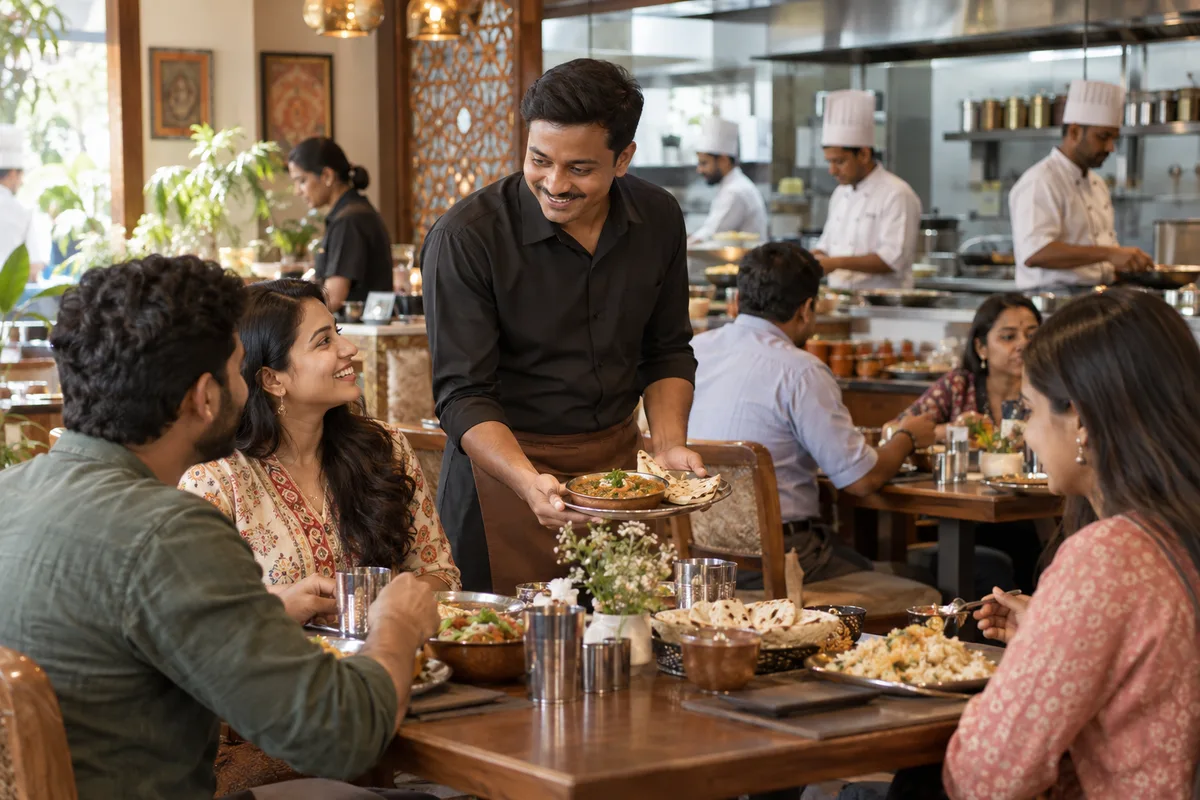
What buyer persona means
A buyer persona is a plain description of the kind of customer who actually buys from you. It includes what they search, what worries them and who else they ask before deciding. GullySales builds this from real enquiries and past sales rather than a generic template, then uses it to write every page and advert.
Last updated 18 Oct 2026.
For cloud kitchens
Where it usually goes wrong, and what we would do.
“The app user decides in a few seconds”
This buyer scrolls, compares rating and price, and taps. They want to know the food will arrive hot, in time and as pictured. Your photo, name and delivery estimate are the entire conversation.
“The office admin carries a reputation”
An admin who books lunch for a floor will be blamed for a late or poor delivery. They look for reliable timing, a consistent menu, a clear invoice and someone who answers when something goes wrong.
“The party host is buying relief”
A host planning trays for a gathering wants the arrangement settled in one conversation. Tray sizes, headcount, pickup time and payment need to be clear, because the host has other things to arrange.
“The health-minded regular wants a plan”
A person who orders diet meals returns for consistency, not novelty. They notice portion changes, missed days and changes in taste, and they talk to others about the brand.
What we do
What we deliver for cloud kitchens.
Every deliverable, what it covers for you, and the result it is there to produce. Nothing here is an extra.
A persona sheet for each buyer type
One page for the app user, the office admin, the party host and the regular, covering needs, doubts and the words they use.
Result: Four pages your team can read in a few minutes.
An order data reading
A look at your settlement sheets and direct orders to see which dishes, hours and areas each persona favours.
Result: A note linking each persona to the data that supports it.
A brand-to-persona match
A decision on which brand speaks to which buyer, so brands stop competing for the same person.
Result: A table with brands on one side and personas on the other.
A message guide per persona
Words and offers suited to each buyer, such as a trial lunch for the admin and a tray sheet for the host.
Result: Ready messages your team can paste into a chat.
A question list for real buyers
A short set of questions to ask a few customers and corporate contacts, so the portraits stay based on what they say.
Result: Notes from a handful of conversations kept in one file.
How the result is measured
- Enquiry match to persona
- Conversion rate by persona
- Content aligned to persona
Recorded as a baseline before work starts, so every later report has an honest comparison.
Who it is for
This is written for these cloud kitchens.
- Multi-brand cloud kitchens
- Single-brand delivery-only restaurants
- Biryani, North Indian and South Indian delivery brands
- Dessert and bakery cloud kitchens
- Healthy meal and diet food kitchens
- Corporate lunch box kitchens
- Shared kitchen operators renting space to brands
- Cloud kitchen franchises
How it works
How the buyer persona work runs
The work itself, in order. How an engagement starts, from your brief to a written scope, is set out on our method page.
- 1
Understand the current view
We start with how your team currently describes the customer, since the gap between belief and reality is often the finding itself.
- 2
Audit past enquiries and sales
We look at recent enquiries and closed deals to see who actually bought, not who was assumed to buy.
- 3
Interview customers and staff
Short, structured conversations surface the real language, worries and triggers behind a purchase.
- 4
Build the personas
Findings are written into short, usable persona documents rather than a long report.
- 5
Apply to your marketing
We show exactly where each persona should change a page, an ad or a script you already have.
Where this fits
Three pieces of sales work, in this order.
This work sits inside sales process design, at stage 0, foundation. The audit comes before it, and sales management keeps it running.
Step 1
Sales audit
Find where deals are being lost and what to fix first.
Start here if you cannot say where orders are lost.
Step 2 · you are here
Sales process design
One written way to sell, from first enquiry to repeat order.
Start here if every salesperson sells differently.
Step 3
Sales management
A target, a review routine and someone who owns the number.
Start here if the team has targets and no routine.
FAQ
Questions owners ask before they call.
Not here? More answers, or ask on WhatsApp.
Where does persona information come from?
How many personas does a kitchen need?
Do personas change our menu?
How much does it cost?
How long is the contract?
How soon will we see results?
Who will actually do the work?
What do you need from us?
What if we are not happy with the work?
More for cloud kitchens
Everything else we would do for you.
Closest to this: strategy and research
Also for cloud kitchens
Or start from the overview: sales and marketing for cloud kitchens.
Your next practical step
Tell us what you are trying to grow, and we will read it before we call.
Eight short steps, mostly taps. Skip anything you would rather answer on the call.