Wedding caterers · Social media
Let a family watch the buffet being served before they ever ring the kitchen.
Social media marketing for a wedding caterer is showing real food, real service and real functions on the channels where families and planners already look. GullySales works on the posting plan, the content from your functions and the replies that follow.
Scope, fee, reporting and term are agreed in writing after we have read your brief and spoken to you.
What social media means
Social media is the ongoing posting your business does on platforms such as Instagram, Facebook and LinkedIn to stay visible to customers and prospects between purchases. GullySales plans a posting calendar, writes captions and designs the images so the page looks active and answers what a visitor would ask.
Last updated 18 Oct 2026.
For wedding caterers
Where it usually goes wrong, and what we would do.
“Planners and decorators watch your page more than families do”
A family may scroll once; a planner returns to see what you served last week. Your feed is a standing reference for the people who recommend you, so it should show recent functions and not a year of festival greetings.
“A buffet is more convincing in motion”
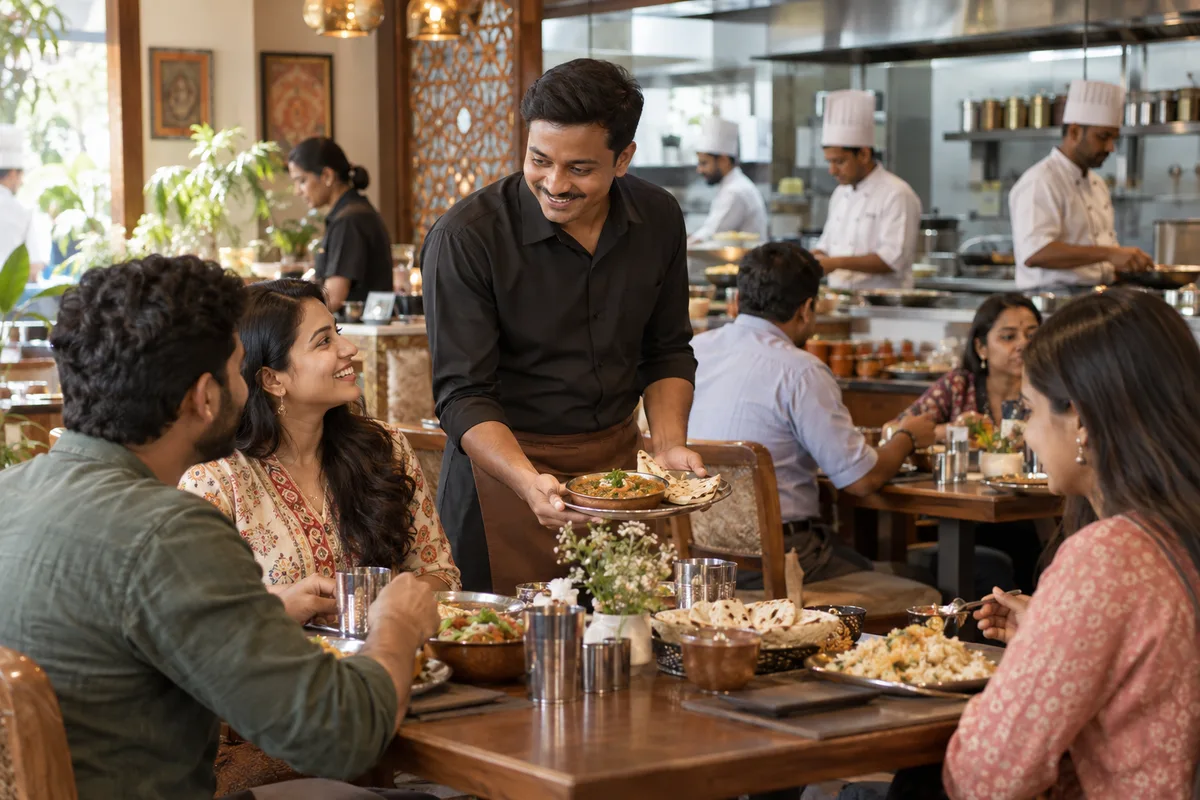
A still of one plated dish says little. A short clip of the live counter, the serving staff and the line moving shows scale, tidiness and pace. That is the thing a family fears: whether the last guest is served as well as the first.
“The comment section is the first enquiry”
Families ask the rate in the comments. A reply that says message us is read as an evasion. A reply that gives the menu range and moves the conversation to WhatsApp keeps the enquiry and the tone.
“Posting every dish in season exhausts the kitchen”
A caterer cooking for crowds has no time to stage content. The work is a small kit of shots taken at functions already booked, so content is a by-product of the job and not a second job.
What we do
What we deliver for wedding caterers.
Every deliverable, what it covers for you, and the result it is there to produce. Nothing here is an extra.
A function shot list
A short list of photographs and clips to capture at each function, covering the kitchen, the counters, the serving and the clean-up.
Result: Every function you cook produces material for the feed.
A content plan by function type
A plan that places engagement, muhurtham and reception posts so that the feed shows the whole run of a wedding.
Result: The feed shows the full range of what you cook.
A consent routine
A line in the booking form and a verbal ask that allow photographs of the food and the service to be posted, with a rule for guests' faces.
Result: You post only from functions where the family agreed.
Comment and message reply templates
Written replies for rate questions, date questions and tasting requests that carry the conversation to WhatsApp.
Result: A comment asking the rate gets a reply with a menu range.
A planner-facing highlight reel
A saved set of recent functions arranged for planners and decorators, with menu types and the guest scale of each.
Result: A planner can see your recent range in a minute.
How the result is measured
- Posts published
- Engagement rate
- Enquiries from social profiles
Recorded as a baseline before work starts, so every later report has an honest comparison.
Who it is for
This is written for these wedding caterers.
- Traditional vegetarian caterers for ceremonial meals
- Non-vegetarian and biryani specialists for receptions
- Regional community caterers, such as Gujarati, Marwari, Bengali or Malayali menus
- North Indian and live-counter caterers
- Banana-leaf meal caterers for South Indian weddings
- Caterers who cook inside the family's own grounds or hall
- Packaged and boxed meal caterers for small weddings
- Wedding planners' in-house food teams
- Caterers for engagement, mehendi and sangeet nights
How it works
How the social media work runs
The work itself, in order. How an engagement starts, from your brief to a written scope, is set out on our method page.
- 1
Understand your audience and platforms
We identify which platforms your specific buyers actually use and what kind of content they respond to.
- 2
Audit current presence
We review existing pages, past content performance and any gaps in consistency.
- 3
Build the content calendar
A plan is created, balancing genuine value with occasional direct offers.
- 4
Implement and post
Content is created and published consistently on the agreed schedule.
- 5
Measure and optimise
We track enquiries alongside engagement and adjust the content mix based on what actually performs.
Where this fits
Three pieces of sales work, in this order.
This work sits inside sales process design, at stage 0, foundation. The audit comes before it, and sales management keeps it running.
Step 1
Sales audit
Find where deals are being lost and what to fix first.
Start here if you cannot say where orders are lost.
Step 2 · you are here
Sales process design
One written way to sell, from first enquiry to repeat order.
Start here if every salesperson sells differently.
Step 3
Sales management
A target, a review routine and someone who owns the number.
Start here if the team has targets and no routine.
FAQ
Questions owners ask before they call.
Not here? More answers, or ask on WhatsApp.
Which platform matters more, Instagram or Facebook?
Should we post prices?
Can GullySales promise followers or enquiries?
How long is the contract?
How soon will we see results?
Who will actually do the work?
What do you need from us?
What if we are not happy with the work?
More for wedding caterers
Everything else we would do for you.
Closest to this: content and social
Also for wedding caterers
Or start from the overview: sales and marketing for wedding caterers.
Your next practical step
Tell us what you are trying to grow, and we will read it before we call.
Eight short steps, mostly taps. Skip anything you would rather answer on the call.