Cafes and coffee shops · Customer retention
Notice the regular who stopped coming in, before the till does.
Retention for a cafe is the second visit, the third, and the habit that follows. A customer who comes three times a week is worth more than a month of new faces, and when they stop, nobody says so. GullySales works out who has gone quiet and builds the reasons that bring them back.
Scope, fee, reporting and term are agreed in writing after we have read your brief and spoken to you.
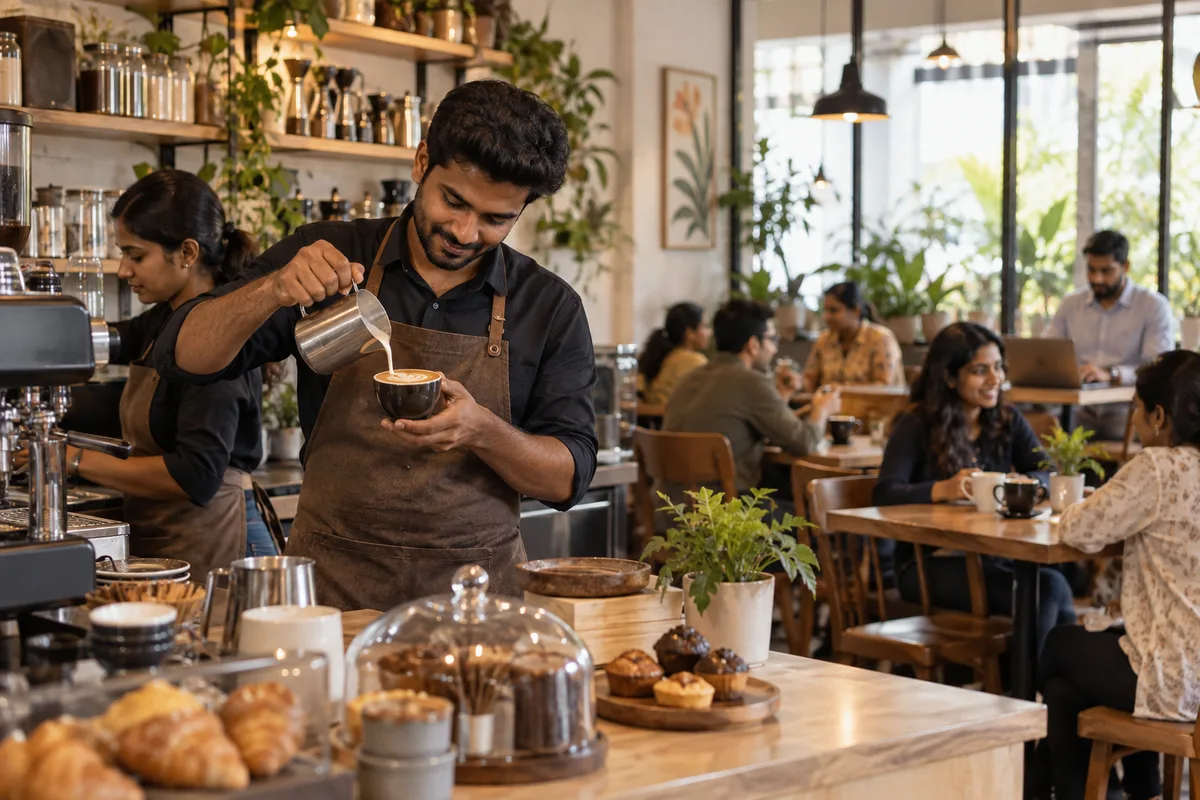
What customer retention means
Customer retention is keeping an existing customer buying again rather than losing them to a competitor after the first purchase, usually cheaper than winning a new customer. GullySales sets a routine of check-ins and renewal reminders aimed at customers before they show signs of leaving.
Also for cafes and coffee shops
- Loyalty programmes for cafes and coffee shops
- Referral marketing for cafes and coffee shops
- Branding for cafes and coffee shops
- Buyer journey for cafes and coffee shops
- Buyer personas for cafes and coffee shops
- Content marketing for cafes and coffee shops
- Digital marketing for cafes and coffee shops
- Email marketing for cafes and coffee shops
Sales and marketing for cafes and coffee shops, the overview.
Last updated 8 Nov 2026. Rules for this trade differ by state and professional body, and they change. We describe restrictions in general terms, so check the current position with your own council or adviser before you publish anything.
For cafes and coffee shops
Where it usually goes wrong, and what we would do.
“Nobody tells you they have stopped coming”
A regular who changed desks or found a better filter coffee just stops appearing. With no record of who came and how often, the loss turns up in a slow week you cannot explain.
“Most loyalty apps are not worth it for one outlet”
A stamp card at the till costs nothing and gets used. An app the customer has to download before earning anything suits a chain with several branches, not a single cafe whose regulars all live within walking distance.
“The weekday habit is the one worth buying”
A brunch customer comes when they feel like it. The freelancer who arrives at three on a Tuesday will keep arriving at three on a Tuesday, as long as the seat, the plug point and the price stay the same.
What we do
What we deliver for cafes and coffee shops.
Every deliverable, what it covers for you, and the result it is there to produce. Nothing here is an extra.
A count of who is actually coming back
Repeat visits worked out from the billing system, the loyalty list or the delivery apps, so you know how much of your week is regulars.
Result: You can see your regulars rather than assume them.
A reason to come on the days you are empty
One offer built for the hours that sit quiet, priced and timed for the people who could walk over, and promoted only in that window.
Result: The quiet hours get customers who plan around them.
A message to the regular who went quiet
A short, personal WhatsApp to a named regular who has not been in for a while, sent from the counter rather than as part of a broadcast.
Result: A regular comes back because somebody noticed they were gone.
An honest read on the loyalty scheme you already run
What your stamp card or points system costs, how many customers use it, and whether it is doing anything at all.
Result: You stop paying for a scheme nobody uses, or you fix the part that is broken.
A prepaid coffee or bean subscription for the heaviest users
A prepaid option for the customer who comes most days, priced so it is worth their while and still worth yours.
Result: Your heaviest user pays up front instead of deciding each morning.
How the result is measured
- Retention rate
- Repeat purchase rate
- Customers won back
Recorded as a baseline before work starts, so every later report has an honest comparison.
Work it out from your records
Your billing app and till can tell you who is actually coming back.
- Who counts as a regular
- Write your own rule, for example a customer seen on several separate days within a set stretch. Then pull the list from the billing report by phone number or app ID.
- The usual gap between visits
- For each regular note the usual number of days between visits. Someone whose gap is now clearly longer than their own pattern has gone quiet, and that is better evidence than a fixed cut-off.
- Regulars by time of day
- Split regulars into morning, afternoon and evening visitors. If afternoons are empty, this shows how many regulars you already have who could be given a reason to come then.
- People who came once
- List customers who appeared a single time. Mark whether they were walk-ins or came through Swiggy or Zomato. They are different kinds of customer and need different handling.
- Loyalty cards stamped against redeemed
- Count the cards issued, the stamps given and the rewards claimed, and note the day of the week. A card that is stamped but never redeemed is a sign the scheme sits in the drawer.
- Prepaid balances not used
- If you sell a coffee pass or bean subscription, list balances unused and when they were last drawn. A pass that stops being used is an early sign the customer is slipping away.
Who it is for
This is written for these cafes and coffee shops.
- Independent single-outlet cafes
- Specialty coffee roasters with a cafe
- Cafes inside co-working spaces
- Bakery cafes
- Cafe chains opening new outlets
- Cloud kitchen and delivery-only cafes
- Cafes attached to bookstores or art spaces
- Late-night and student-area cafes
Not for
It is not the right fit if.
- The cafe does not know who its regulars are, so there is nobody to notice as absent.
- The cafe has just opened, and you first need customers to retain.
- The reason people stopped coming is the product or the service, which a message cannot repair.
How it works
How the customer retention work runs
The work itself, in order. How an engagement starts, from your brief to a written scope, is set out on our method page.
- 1
Read the records
Your sales and billing records are read for repeat purchase, the normal gap between orders and the customers who have gone quiet. The record-keeping gaps found here are listed.
- 2
Ask why they stopped
A small set of lapsed and current customers is called with your team's consent, and asked plainly what changed. The reasons are sorted into price, service, competitor and circumstance.
- 3
Build the strategy
The written plan sets priority groups, touchpoints, offers, owners, consent rules and a target.
- 4
Align existing tactics
Each retention activity you already run is mapped against the plan, then kept, changed or dropped.
- 5
Start with one group
The plan goes live for the most valuable at-risk group first, with a held-back comparison group, before it widens.
- 6
Review against the baseline
Retention is compared with the baseline recorded before work began. How often you are reported to is agreed in writing.
Where this fits
Three pieces of sales work, in this order.
This work sits inside sales process design, at stage 7, after the sale. The audit comes before it, and sales management keeps it running.
Step 1
Sales audit
Find where deals are being lost and what to fix first.
Start here if you cannot say where orders are lost.
Step 2 · you are here
Sales process design
One written way to sell, from first enquiry to repeat order.
Start here if every salesperson sells differently.
Step 3
Sales management
A target, a review routine and someone who owns the number.
Start here if the team has targets and no routine.
FAQ
Questions owners ask before they call.
Not here? More answers, or ask on WhatsApp.
Is a loyalty app worth it for one cafe?
How would we know a regular has stopped coming?
Will a free coffee offer to a lapsed regular upset the ones who still come every week?
Our best barista knows every regular and may leave. How do we keep that knowledge?
How long is the contract?
How soon will we see results?
Who will actually do the work?
What do you need from us?
From the blog
Further reading for cafes and coffee shops.
 7 min read · 21 May 2026Loyalty ideas for coffee shops that regulars actually useLoyalty ideas for coffee shops work when they live at the counter and need no app: a stamp card, the usual remembered, a weekday reason to come in. Here is what a regular uses and what they ignore.
 7 min read · 21 Sept 2026How to design metro and transit advertisingA commuter stands still in front of a platform panel for four minutes and passes the same one twice a day for a month. Design for the sixth viewing.
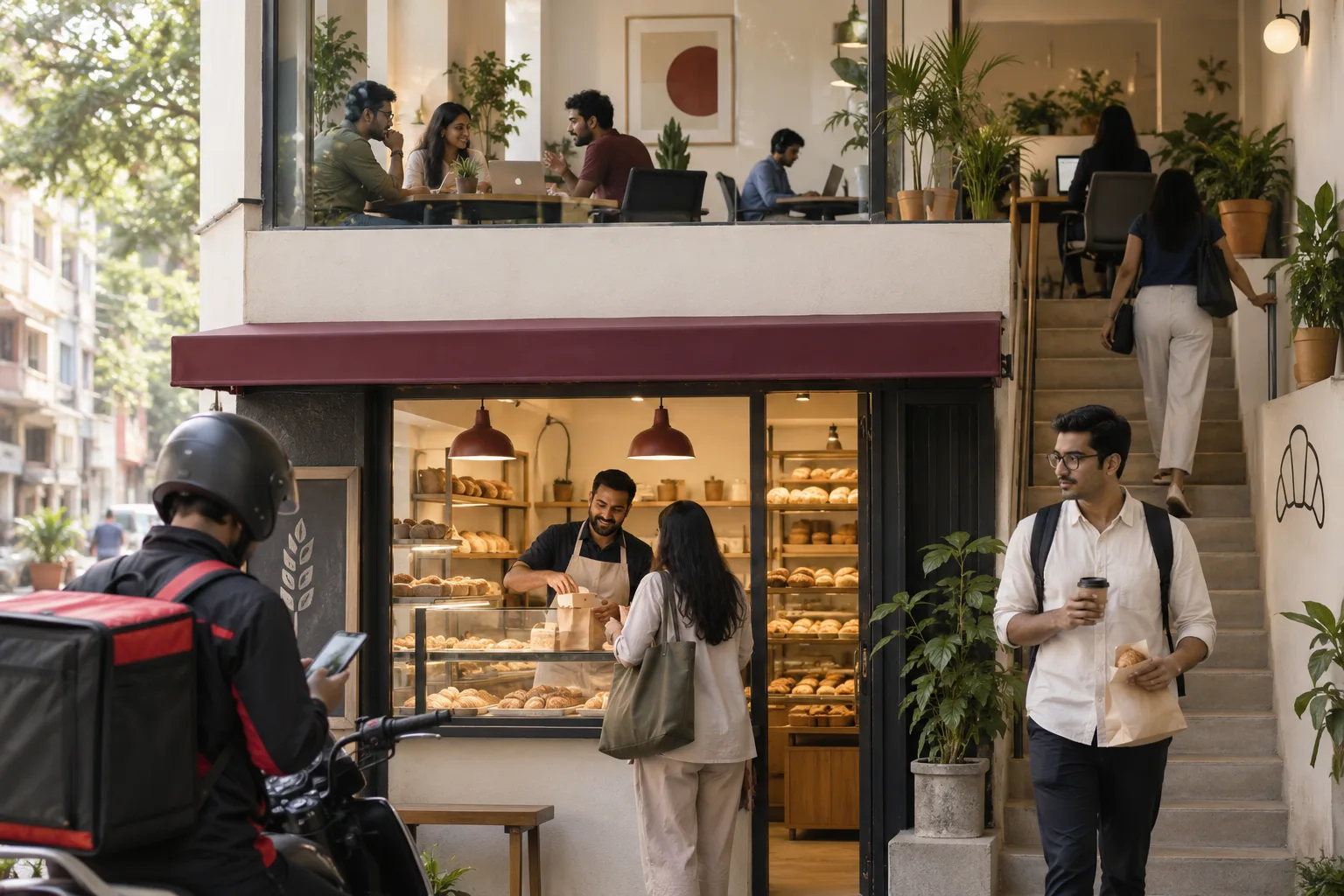 7 min read · 21 Sept 2026How to advertise to startup employeesThere is no tech park to buy. A forty person company sits above a bakery, so the audience is the neighbourhood, the delivery app and the coworking floor.
More for cafes and coffee shops
Everything else we would do for you.
Closest to this: customers after the sale
Also for cafes and coffee shops
Or start from the overview: sales and marketing for cafes and coffee shops.
Your next practical step
Tell us what you are trying to grow, and we will read it before we call.
Eight short steps, mostly taps. Skip anything you would rather answer on the call.