Restaurants · Brand perception research
Learn what guests tell a friend about your restaurant after they leave the table.
Brand perception research for a restaurant records how guests, staff, neighbours and delivery customers describe the place in their own words. GullySales gathers those descriptions through short conversations, review reading and search checks, then writes a plain report of the gap between your picture of the restaurant and theirs.
Scope, fee, reporting and term are agreed in writing after we have read your brief and spoken to you.
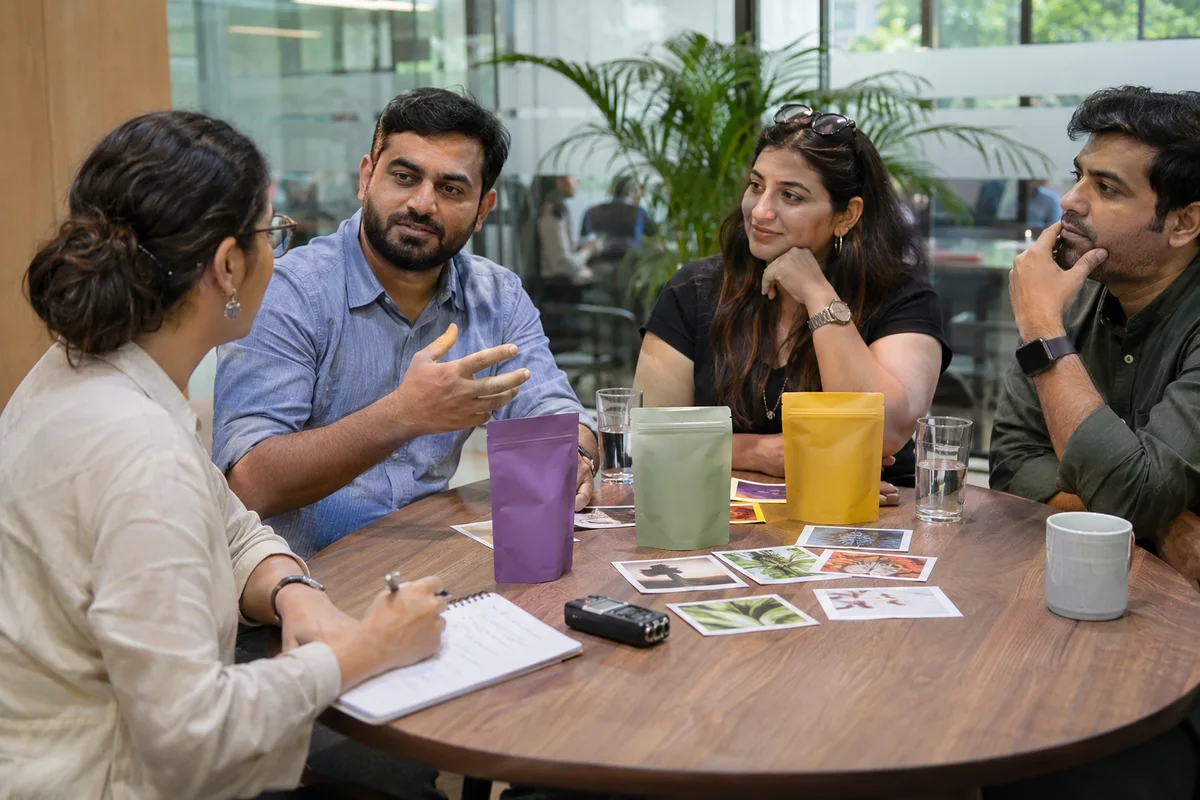
What brand perception research means
Brand perception research records how customers, dealers, staff and local people describe your business, in their own words. GullySales gathers those descriptions through short interviews, review reading and search-result checks, then writes a plain report of the gap between how you describe the brand and how others do.
Also for restaurants
- Branding for restaurants
- Crisis communications for restaurants
- Sponsorship marketing for restaurants
- Tagline and slogan writing for restaurants
- Founder and leadership profile writing for restaurants
- Brand colour palette and typography system design for restaurants
- Business card, letterhead and stationery design for restaurants
- Email signature design for restaurants
Sales and marketing for restaurants, the overview.
Last updated 14 Nov 2026. Rules for this trade differ by state and professional body, and they change. We describe restrictions in general terms, so check the current position with your own council or adviser before you publish anything.
For restaurants
Where it usually goes wrong, and what we would do.
“The owner sees a family restaurant, the street sees a wedding hall”
The kitchen thinks of itself as home-style, but the loudest reviews talk about the big hall and the Sunday queue. Neither is wrong. The gap decides which guest walks in and which one keeps walking.
“Reviews are a pile, not a picture”
Pages of lines on Maps and Zomato are read for the stars and the latest complaint. Read in order, they show which dish is named without being asked, which word keeps returning for service and which guests have stopped coming.
“The delivery customer knows a different restaurant”
A person who has only opened the box at home has never seen the room or the staff. They describe the packing, the portion and the temperature. If the app name and the dining name differ, they may not know the two are one kitchen.
“Regulars are polite and lapsed guests are useful”
A table that has stopped booking tells you more than the tables that praise you. A short, kind call with their permission asks what changed. Without that question, the owner rewrites the menu to please people who were never leaving.
What we do
What we deliver for restaurants.
The work available for this need. We agree the deliverables and responsibilities for your engagement in writing.
Owner and team description
A short written record of how you, the head cook, the captain and the cashier each describe the restaurant. It is the baseline for everything that follows.
Result: You have your own description on paper before you hear anyone else's.
Interview guide for guests
Open questions that begin unprompted, such as how a person would describe the place to a friend, before any quality is named. You review the wording for leading questions.
Result: No question suggests the answer.
Conversation notes
Notes from short calls with recent diners, a few lapsed regulars, delivery customers, event hosts and neighbours who have never eaten with you. Recording happens only with the person's permission.
Result: Each note is traceable to a type of guest, not a name.
Review and search reading
A read of your listings on Maps, Zomato and the delivery apps, plus what appears when someone searches a dish and your area, grouped by the words guests use.
Result: The repeated words are listed with where they appear.
Gap report
A plain report setting your description against the others, naming where they agree, where they split, and where a guest meets something the owner never intended.
Result: You can point to each gap and the evidence for it.
Next-step list
A short list of changes to the menu board, the Page, the listing text or the floor script, each tied to a finding. You choose which to act on.
Result: No change is proposed without a finding behind it.
How the result is measured
- Recurring words and phrases, by speaker group
- Points where owner and outside descriptions match or differ
- Misunderstandings about what you sell or who you serve
Recorded as a baseline before work starts, so every later report has an honest comparison.
Who it is for
This is written for these restaurants.
- Family restaurants and multi-cuisine dining
- South Indian vegetarian restaurants and darshinis
- Biryani, kebab and non-vegetarian specialists
- Regional cuisine restaurants
- Casual dining and bar restaurants
- Quick service restaurants and food courts
- Cloud kitchens and delivery-only brands
- Office canteens and food service operators
- Multi-outlet restaurant groups
Before you decide
Agree the work. Know how to judge it.
Brand perception research for restaurants: use these checks to prepare, choose the scope, and review what changes.
Bring the right evidence
Collect the sales presentation, website, quotations, and other material buyers actually see. Mark where the description of the business changes or where a claim has no supporting evidence.
Make the scope clear
Agree whether the work concerns the offer, the words, the visual identity, or all of them. List the formats that need updating and who owns the final approval.
Check the work in use
Test the proposed direction on a real sales page or proposal. A buyer should be able to tell who the offer is for, what is different, and what evidence supports it.
Know when to change course
A new identity will not fix an unresolved service problem. Put the delivery issue right before making a stronger public promise about it.
These are discussion points, not a fixed package. GullySales confirms the deliverables, responsibilities, fee, and term in writing after reading your brief and speaking with you.
Before we start
What to have ready before the work starts.
The records, access and decisions this work needs from restaurants. Anything missing is noted in the written scope, with who will supply it.
- Names of guests willing to talk
- The research needs real conversations. List regulars, a few who stopped coming and neighbours who know you. If you cannot name any lapsed guests, we ask you to look through old booking notes. Ask each person first, and tell them the conversation is not a complaint call.
- A copy of your reviews and ratings
- We read the words, not just the stars. Export or screenshot reviews from every platform. If a platform is missing, we work with the rest and say so in the report. Include comments on the delivery apps, since those guests describe a different restaurant.
- The owner's own written description
- Write a paragraph in your own words about what the restaurant is and who it is for, before you hear what guests say. If you write it afterwards, it bends to match. Keep it in a note on your phone, dated, with no edits afterwards.
- A quiet hour with the head captain and chef
- Staff see what you do not. Free them for a conversation away from service. If they cannot be spared, the staff view will be thin. Include the cashier if they are around at peak hours, since they hear what guests say while paying.
- Willingness to hear contradiction
- The answers may not match how you see the place. Decide in advance that you will read the report as it stands. If you intend to argue with every finding, the research is better left undone. Tell your team in advance what the research is for, so they do not treat the conversations as a test.
How it works
How the brand perception research work runs
The work itself, in order. How an engagement starts, from your brief to a written scope, is set out on our method page.
- 1
Ask the team to describe the place
We ask you, your manager, your head captain and the chef to describe the restaurant in their own words: who it is for, what it is known for and where it falls short. We keep the answers apart. The differences between them are the first finding of the research. We note the words each person repeats, since repeated words are the clearest sign of what the team believes.
- 2
Write the guest interview guide
We draft a short set of open questions for guests: why they came, who chose, what they compared and what they would tell a friend. You review them. The questions avoid scores and ratings, and are written to be asked by you or your manager in an easy conversation. We include a question about what the guest would say if a friend asked whether to bring a group.
- 3
Talk to regulars, lapsed guests and neighbours
You or your manager hold conversations with a mix of regulars, people who stopped coming and a few neighbours, using our guide. We do not contact your guests directly. You pass us the notes in the guests' own words, without names. Lapsed guests are asked what changed for them, and the answer is written exactly as given, without argument.
- 4
Read the reviews and searches as a picture
We read your Maps, Zomato and Swiggy reviews, and what people search before they find you, sorting phrases by who wrote them. You see how delivery guests describe a different restaurant from diners. The pile of reviews becomes a picture with themes. We also read what neighbours and local groups say about noise, parking and crowds, since those shape the street's view.
- 5
Write the gap report
We set the owner's description beside the guests' and mark where they agree and where they differ, for example a family restaurant the street sees as a wedding hall. You read it with us. Where answers contradict your view, we show them without softening. Each finding sits beside the quote or review that supports it, so you can judge it yourself.
- 6
Agree the next steps and a recheck
We list the actions that follow from the gaps, in order of what a guest meets first: menu words, signage, replies, photographs. You choose. We note what to ask again after the changes so that the next conversations are compared with these. The list includes things that need no spending at all, such as changing a phrase on the menu card.
Where this fits
Three pieces of sales work, in this order.
This work sits inside sales process design, at stage 1, prospecting and lead generation. The audit comes before it, and sales management keeps it running.
Step 1
Sales audit
Find where deals are being lost and what to fix first.
Start here if you cannot say where orders are lost.
Step 2 · you are here
Sales process design
One written way to sell, from first enquiry to repeat order.
Start here if every salesperson sells differently.
Step 3
Sales management
A target, a review routine and someone who owns the number.
Start here if the team has targets and no routine.
FAQ
Questions owners ask before they call.
Not here? More answers, or ask on WhatsApp.
Will this give us a satisfaction score?
Do you contact our guests directly?
What if the answers contradict how we see the restaurant?
Who reads the notes from guest conversations?
How many guests do we need to speak to?
How much does it cost?
How long is the contract?
How soon will we see results?
Who will actually do the work?
What do you need from us?
From the blog
Further reading for restaurants.
 6 min read · 21 Sept 2026Radio advertising vs social media advertising: where should your money go?Radio reaches a driver who cannot click. Social reaches a thumb that can. One buys a name people remember, the other buys the enquiry itself.
 7 min read · 21 Sept 2026Local audience targeting strategyThree people are local to you: the one who lives near, the one who works near and the one searching near. The settings that reach each differ.
 6 min read · 21 Sept 2026Influencer marketing vs social media advertising: which one should you pay for?An ad is a message you control, shown to people you choose. A creator post is a recommendation you do not control, shown to people who chose the creator.
More for restaurants
Related work to consider.
Closest to this: brand and design
- Branding for restaurants
- Crisis communications for restaurants
- Sponsorship marketing for restaurants
- Tagline and slogan writing for restaurants
- Founder and leadership profile writing for restaurants
- Brand colour palette and typography system design for restaurants
- Business card, letterhead and stationery design for restaurants
- Email signature design for restaurants
Also for restaurants
Or start from the overview: sales and marketing for restaurants.
Your next practical step
Tell us what you are trying to grow, and we will read it before we call.
Eight short steps, mostly taps. Skip anything you would rather answer on the call.