Restaurants · Social media
Post the dish people come for, on the day they decide to eat out.
Social media for a restaurant is what puts you on a shortlist before the hunger starts, mostly through Instagram and whatever your neighbourhood groups are talking about. GullySales sets what gets photographed, writes the posts around your slow days, and treats the messages as bookings.
Scope, fee, reporting and term are agreed in writing after we have read your brief and spoken to you.
What social media means
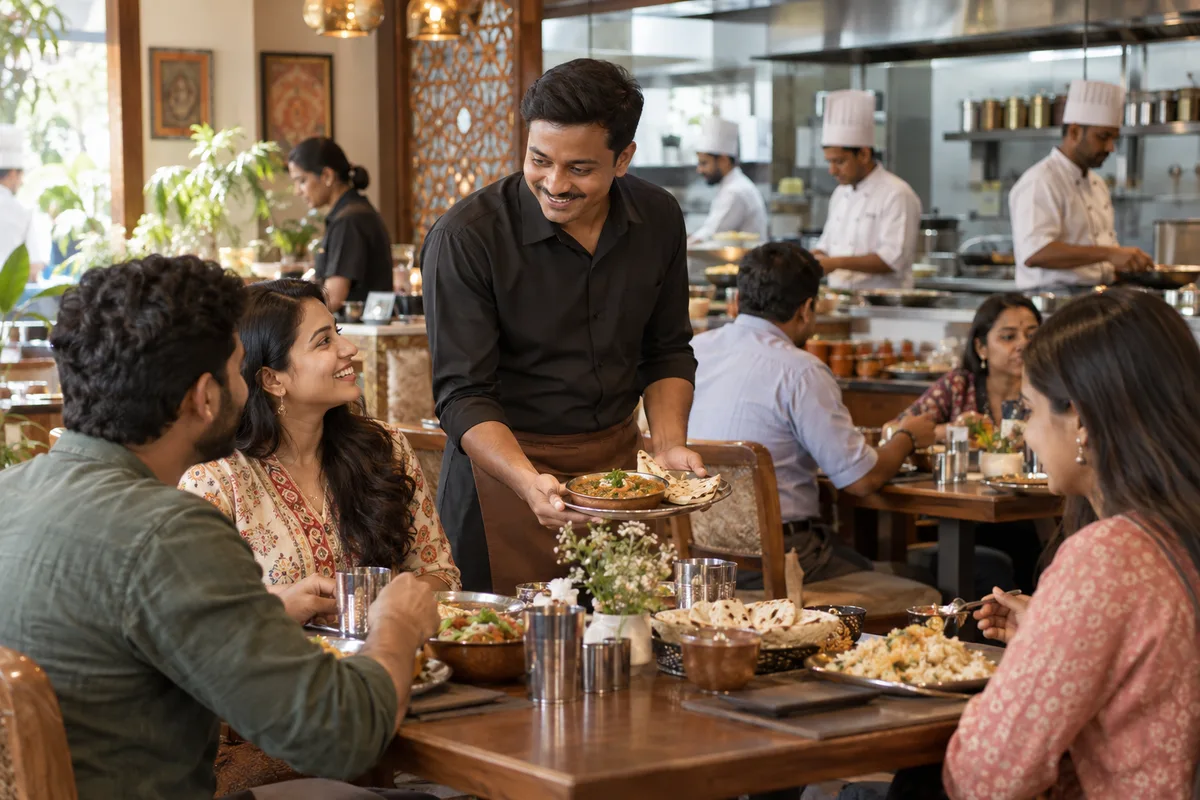
Social media is the ongoing posting your business does on platforms such as Instagram, Facebook and LinkedIn to stay visible to customers and prospects between purchases. GullySales plans a posting calendar, writes captions and designs the images so the page looks active and answers what a visitor would ask.
Last updated 5 Oct 2026. Rules for this trade differ by state and professional body, and they change. We describe restrictions in general terms, so check the current position with your own council or adviser before you publish anything.
For restaurants
Where it usually goes wrong, and what we would do.
“Post on Wednesday for Thursday”
A weekend post competes with everybody. A Wednesday post reaches a couple who have not decided yet.
“Apartment groups outrank Instagram here”
One message in an RWA group of four hundred families within delivery distance does more than a week of reels.
“Reels of the kitchen beat reels of the plate”
People watch the dosa being made and the biryani handi being opened. A still of a finished plate scrolls past.
What we do
What we deliver for restaurants.
Every deliverable, what it covers for you, and the result it is there to produce. Nothing here is an extra.
A weekly shot list somebody in the kitchen can follow
Three things to photograph each week, including one dish being cooked and one full table, shot on a phone during service rather than in a studio.
Result: There is always something to post.
Posts timed to the nights you need filling
The weekday offer published midweek, the weekend special on Thursday and the festival menu a week ahead, rather than everything on a Saturday.
Result: Posts land while people are still deciding.
A presence in the neighbourhood groups
A short, unpushy message and menu image for the apartment and RWA WhatsApp groups within delivery distance, with the admins approached properly first.
Result: Four hundred nearby families learn that you exist.
The messages inbox treated as a booking queue
Instagram and Facebook messages checked twice a day by a named person and logged with the phone enquiries, since party bookings arrive there.
Result: A booking question at night is answered by morning.
A creator brief with the disclosure written in
What a local creator is invited to try, what is hosted, what has to be disclosed, and the fortnight afterwards checked for footfall.
Result: You find out whether the visit brought anybody.
Guest photographs used with permission
A routine for asking a table whether their photograph may be shared, with a note of who agreed to what.
Result: The feed shows real evenings, not a styled shoot.
How the result is measured
- Posts published
- Engagement rate
- Enquiries from social profiles
Recorded as a baseline before work starts, so every later report has an honest comparison.
Platform for this buyer
Where diners decide on a table, and what a restaurant should post.
- Instagram reels of one dish
- Film one dish being made and served, with its name, price band and the night you want to fill. The action is one: message or call to book the table.
- Instagram Stories for the day's special
- Post today's special, a sold-out notice and a birthday table offer if you run one. Regulars look at the story before deciding where to eat.
- Neighbourhood Facebook and WhatsApp groups
- Post a new menu item or a family gathering package with the booking contact. Answer a question about the best biryani nearby with a plain reply, not a copy of your ad.
- Google Business Profile posts and photographs
- Post menu photographs, opening hours and timings for festival days. A diner standing on the road decides from the map listing and its latest photographs.
- What not to post
- Do not post a dish photograph that is not what is served, a food claim like 'healthy' or 'pure' you cannot support, or a guest's face without a yes. Check the food advertising rules.
Who it is for
This is written for these restaurants.
- Family restaurants and multi-cuisine dining
- South Indian vegetarian restaurants and darshinis
- Biryani, kebab and non-vegetarian specialists
- Regional cuisine restaurants
- Casual dining and bar restaurants
- Quick service restaurants and food courts
- Cloud kitchens and delivery-only brands
- Office canteens and food service operators
- Multi-outlet restaurant groups
Not for
It is not the right fit if.
- No one in the kitchen has time to photograph a dish while it is fresh, so posts would use old pictures that guests find untrue.
- Direct messages and comments are not read, so more attention would add unanswered booking requests.
How it works
How the social media work runs
The work itself, in order. How an engagement starts, from your brief to a written scope, is set out on our method page.
- 1
Confirm audience, platforms and access
We note which platforms your buyers use and check that the pages sit under your own business accounts, with you as owner and us as added roles.
- 2
Review the current presence
We read the existing pages, the posts that drew replies and the gaps in posting.
- 3
Build the calendar
Themes, formats and dates are set out for your approval, with space for offers and news.
- 4
Create, approve and publish
Posts are made, approved by you and scheduled. Replies to the public are handled in your voice.
- 5
Record enquiries and adjust
Enquiries are logged against the post or platform where they began, and the mix changes to follow what brings them.
Where this fits
Three pieces of sales work, in this order.
This work sits inside sales process design, at stage 0, foundation. The audit comes before it, and sales management keeps it running.
Step 1
Sales audit
Find where deals are being lost and what to fix first.
Start here if you cannot say where orders are lost.
Step 2 · you are here
Sales process design
One written way to sell, from first enquiry to repeat order.
Start here if every salesperson sells differently.
Step 3
Sales management
A target, a review routine and someone who owns the number.
Start here if the team has targets and no routine.
FAQ
Questions owners ask before they call.
Not here? More answers, or ask on WhatsApp.
How often should we post?
Instagram or Zomato?
Should the chef or the owner be on camera?
Should each outlet have its own Instagram account?
How much does it cost?
How long is the contract?
How soon will we see results?
Who will actually do the work?
What do you need from us?
What if we are not happy with the work?
From the blog
Further reading for restaurants.
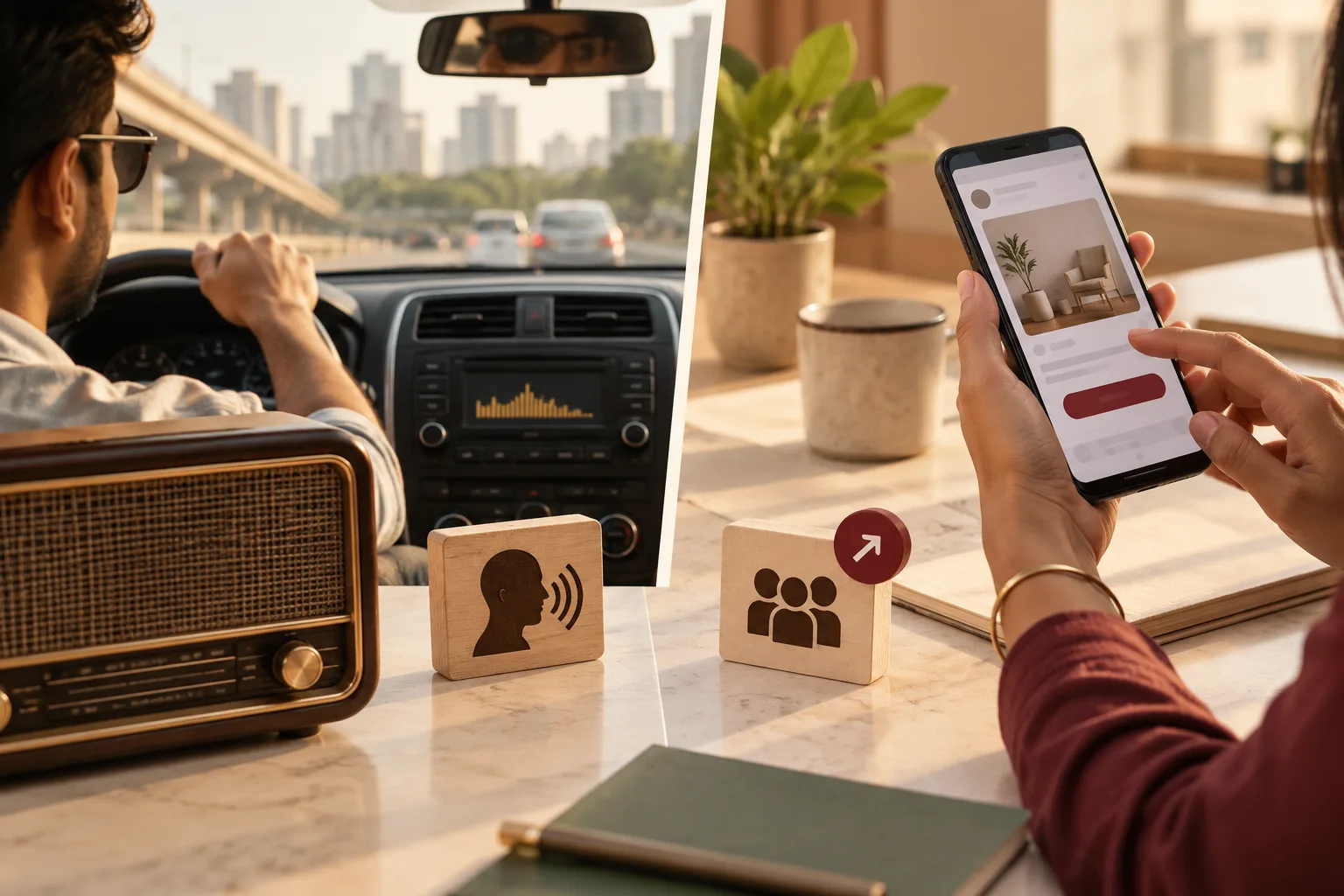 6 min read · 21 Sept 2026Radio advertising vs social media advertising: where should your money go?Radio reaches a driver who cannot click. Social reaches a thumb that can. One buys a name people remember, the other buys the enquiry itself.
 6 min read · 21 Sept 2026Influencer marketing vs social media advertising: which one should you pay for?An ad is a message you control, shown to people you choose. A creator post is a recommendation you do not control, shown to people who chose the creator.
 7 min read · 21 Sept 2026How to write social media ad copyThe picture stops the thumb and the first line has to finish the job, because everything after it is hidden behind the word more.
More for restaurants
Everything else we would do for you.
Closest to this: content and social
Also for restaurants
Or start from the overview: sales and marketing for restaurants.
Your next practical step
Tell us what you are trying to grow, and we will read it before we call.
Eight short steps, mostly taps. Skip anything you would rather answer on the call.