Auto parts manufacturers · Dealer network brand visibility
Make your part brand the one a mechanic recognises on the counter and the map.
Dealer network brand visibility for an auto parts manufacturer is making the aftermarket brand look the same, and be found, at every distributor counter, spares shop and online listing that sells it. GullySales sets the outlet standard, the shared dealer record and the checks, and leaves stocking and pricing to you.
Scope, fee, reporting and term are agreed in writing after we have read your brief and spoken to you.
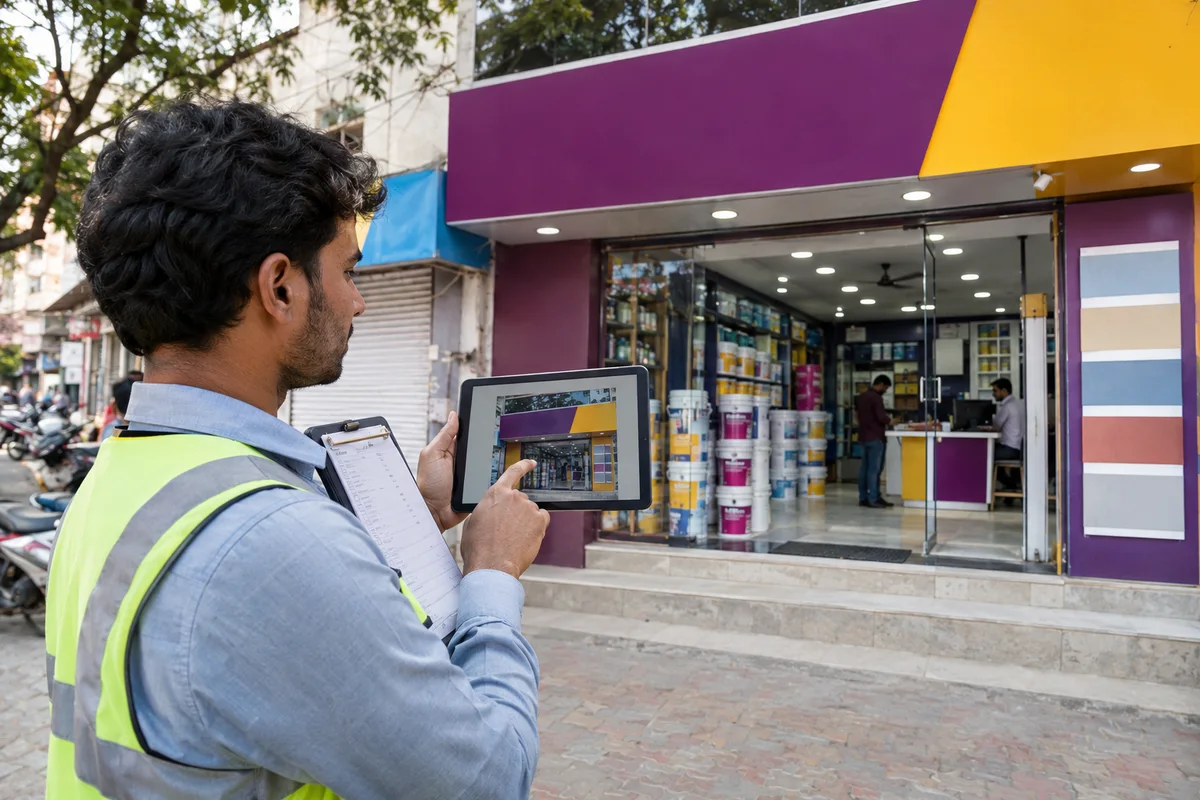
What dealer network brand visibility means
Dealer network brand visibility makes your brand look consistent and findable at every dealer outlet, on the street and online. GullySales sets the shop-front standard, the dealer brand kit and one agreed dealer record, aligns listings and locator pages to it, and checks each outlet against the standard by visit or photo.
Also for auto parts manufacturers
- Channel partner engagement campaigns for auto parts manufacturers
- Channel governance and conflict management for auto parts manufacturers
- Channel opportunity generation and follow-up for auto parts manufacturers
- Channel partner recruitment for auto parts manufacturers
- Channel sales strategy and route to market execution for auto parts manufacturers
- Channel territory planning for auto parts manufacturers
- Co-operative partner marketing for auto parts manufacturers
- Dealer and distributor audits for auto parts manufacturers
Sales and marketing for auto parts manufacturers, the overview.
Last updated 14 Nov 2026.
For auto parts manufacturers
Where it usually goes wrong, and what we would do.
“The mechanic buys the box on the shelf, not the brand in the brochure”
A workshop mechanic asking for a clutch plate points at what is in front of them. If the box is hidden behind a competitor's display or the counter board carries an old logo, the brand loses the sale at the last metre, long after the marketing spend was done.
“Old packaging and new packaging sit side by side”
After a pack redesign, a distributor in an auto market still sells the previous box from stock. The buyer sees two looks for one brand and wonders whether one of them is a copy. A written phase-out note for every outlet settles this.
“Listings carry the wrong shop, the wrong number or the wrong brand”
A fitter searching on a phone for who stocks your brake pads nearby finds a closed shop, a dead number or a dealer who dropped the line last year. Each wrong listing sends a ready buyer to a rival brand.
“Counterfeit boxes make the genuine dealer look suspect”
A fake pack with your logo lowers trust in every outlet that sells the real part. Visible brand marks, a clear way to identify a genuine pack and a dealer list the buyer can check give the honest outlet something to point to.
What we do
What we deliver for auto parts manufacturers.
The work available for this need. We agree the deliverables and responsibilities for your engagement in writing.
Counter and shelf standard
A written standard for the counter board, shelf strip, wall chart and stock display at spares shops and distributor outlets, with placement notes and a list of what must not appear.
Result: A dealer knows exactly what the brand corner should look like before any printing starts.
Dealer brand kit for local printers
Logo files, board artwork, mechanic-shop wall branding and pack-phase-out notes in the formats a local sign maker and printer use.
Result: An outlet can order a correct board without sending artwork back and forth to head office.
One dealer record
A single sheet holding each outlet's trading name, address, map pin, phone number, opening hours, lines stocked and the person who confirms changes.
Result: Every listing and locator page can be traced to one record your team controls.
Where-to-buy page and listing alignment
A where-to-buy page by town and part type, plus matching Google Business Profile and marketplace entries for outlets that agree to be listed.
Result: A fitter searching for your brand nearby sees correct, current outlets.
Outlet visit and photo check
A short checklist run by your field team or by dealer-sent photos, scored against the standard and filed against the dealer record.
Result: You can see which outlets match the standard and which need a follow-up call.
How the result is measured
- Outlets matching the written standard, by touchpoint
- Dealers with correct name, address and phone on Google and directories
- Duplicate or outdated dealer listings still open
Recorded as a baseline before work starts, so every later report has an honest comparison.
Who it is for
This is written for these auto parts manufacturers.
- Component manufacturers supplying OEMs
- Aftermarket spare parts manufacturers
- Export-focused parts manufacturers
- Tier 2 and Tier 3 component suppliers
- Two-wheeler parts manufacturers
- Commercial vehicle parts manufacturers
- Casting and forging units supplying parts
- Manufacturers with an in-house aftermarket brand
Before you decide
Agree the work. Know how to judge it.
Dealer network brand visibility for auto parts manufacturers: use these checks to prepare, choose the scope, and review what changes.
Bring the right evidence
Map existing partners, their territories, and the customers they serve. Review active selling and repeat orders separately from the number of partners signed up.
Make the scope clear
Agree partner fit, territory rules, onboarding, and support responsibilities. Clarify how direct enquiries and partner enquiries are assigned before starting recruitment.
Check the work in use
Follow a partner enquiry through to an order and the next purchase. Check whether the partner has the product knowledge and material needed to sell without repeated intervention.
Know when to change course
If current partners cannot sell because supply or support is weak, resolve that before recruiting more. A bigger network can spread the same problem further.
These are discussion points, not a fixed package. GullySales confirms the deliverables, responsibilities, fee, and term in writing after reading your brief and speaking with you.
Before we start
What to have ready before the work starts.
The records, access and decisions this work needs from auto parts manufacturers. Anything missing is noted in the written scope, with who will supply it.
- A list of distributors and outlets you supply
- Visits and listings start from the dealers you know. A list with names, towns and contacts will do, even if it sits in a notebook. Without it, the sales team recalls them in a session and the list is incomplete, so some counters are never visited. Include workshops and small spares shops that buy through a distributor, because the counter sees them first.
- Current and previous packaging samples
- Old and new boxes circulate together on counters. Bring one of each so that we can show the difference to dealers. If old versions are gone, we rely on dealer photographs, which are harder to compare and easier to dispute. Note which boxes are still in the stockroom of the plant, so we know how long old and new will share a counter.
- A dealer agreement or the terms you use
- We do not force dealers, and the standard must fit your agreement. Bring the terms, or tell us they are informal. In that case the standard is a request and not a condition, and the plan relies on the dealer's own interest in a clean counter. Bring any older documents too, since a dealer will quote the oldest letter that suits their case.
- An area salesperson to join the visits
- Dealers speak more freely with someone they know and who visits them. Name the person and the area they cover. Visits without them are shorter and more formal, and we collect less of what the counter really thinks. A day or two with the area salesperson in the first round gives us introductions that no cold approach could win. Introductions from you matter a great deal here.
- A way to receive counterfeit complaints
- Dealers will report suspect boxes once the standard is known. Tell us who receives those reports and what they do next. If nobody does, the issue stays with the distributor, and the genuine brand suffers for something it did not make. A named person, with a phone number dealers already know, turns a vague worry about fakes into a record you can act on.
How it works
How the dealer network brand visibility work runs
The work itself, in order. How an engagement starts, from your brief to a written scope, is set out on our method page.
- 1
Visit counters with your area salesperson
We go with your area salesperson to a few distributors, a spares shop and a workshop counter, and photograph shelves, signs, price tags and the packaging in use. You see your brand as the mechanic sees it, with old boxes beside new ones, and we note which counters let the brand stand out and which hide it. Each visit is logged with a date.
- 2
Check where the brand appears online
We search map listings, marketplaces and dealer websites for your brand and list the wrong names, numbers and addresses we find. You confirm which shops are really your dealers. What exists afterwards is a list of listings to correct and shops to contact, each with the reason. Each correction is assigned to a person, either on your sales team or ours, so that a wrong number on a listing is fixed by someone and not merely noticed.
- 3
Write the counter standard and dealer kit
We set out what a good counter looks like: shelf order, sign position, how old stock is shown and how the price tag reads. The dealer kit holds artwork that a local printer can use without our help. You approve both documents before any dealer is shown them. Items that would cost a dealer money are marked so that you can decide whether the brand pays or the dealer is asked to share the cost.
- 4
Brief the dealers and take their changes
Your sales team presents the standard to distributors, in person or on a group call. Dealers tell us what is difficult or costs too much. We change the kit where they are right and record which dealers have agreed, so the next visit starts from a known position. Dealers who disagree are not argued with in the room; their reasons are written down and the sales head answers them separately afterwards.
- 5
Build the where-to-buy page and dealer record
We make a page listing authorised outlets and a single record behind it, so changes of address or phone number are made once and flow to the page. You decide which dealers are listed and which are not, and your sales team owns the updates. A dealer who changes address or closes is removed in one place, so the page and the listings never show a shop that has gone from the town.
- 6
Revisit the counters and review with sales
After the kit is in use, we visit the same outlets with the first photographs in hand, and compare shelf, listing and enquiry counts with the first visit. You decide where to press harder, where the standard needs to change, and which dealers are left as they are. Counters that have not changed are listed for a conversation with the distributor who supplies them, since the cause may be one missing delivery of new boxes.
Where this fits
Three pieces of sales work, in this order.
This work sits inside sales process design, at stage 1, prospecting and lead generation. The audit comes before it, and sales management keeps it running.
Step 1
Sales audit
Find where deals are being lost and what to fix first.
Start here if you cannot say where orders are lost.
Step 2 · you are here
Sales process design
One written way to sell, from first enquiry to repeat order.
Start here if every salesperson sells differently.
Step 3
Sales management
A target, a review routine and someone who owns the number.
Start here if the team has targets and no routine.
FAQ
Questions owners ask before they call.
Not here? More answers, or ask on WhatsApp.
Can we force a distributor to follow our branding standard?
Will this cover workshops and small spares shops as well as big distributors?
Do you deal with counterfeit parts?
Who pays for the new boards, boxes and shelf tags?
How do we know which online listings belong to our dealers?
How much does it cost?
How long is the contract?
How soon will we see results?
Who will actually do the work?
What do you need from us?
From the blog
Further reading for auto parts manufacturers.
 6 min read · 10 Oct 2026How manufacturers can generate enquiries from relevant business buyersRelevant RFQs come from buyers who can verify you: real specifications on product pages, matching listings and a quick way to screen requests.
 6 min read · 6 Oct 2026How buyers choose a showroom, workshop or parts counterCar, bike, repair and parts buyers send one enquiry to several sellers and pick the first clear answer. See what each buyer checks and where you lose them.
 5 min read · 26 Sept 2026Certifications buyers ask for: ISO, test reports and what to show on the websiteShow each certificate with its number, scope, issuing body and validity date, and link the PDF, so a buyer's quality team can check you before they ring.
More for auto parts manufacturers
Related work to consider.
Closest to this: channels and partners
- Channel partner engagement campaigns for auto parts manufacturers
- Channel governance and conflict management for auto parts manufacturers
- Channel opportunity generation and follow-up for auto parts manufacturers
- Channel partner recruitment for auto parts manufacturers
- Channel sales strategy and route to market execution for auto parts manufacturers
- Channel territory planning for auto parts manufacturers
- Co-operative partner marketing for auto parts manufacturers
- Dealer and distributor audits for auto parts manufacturers
Also for auto parts manufacturers
Or start from the overview: sales and marketing for auto parts manufacturers.
Your next practical step
Tell us what you are trying to grow, and we will read it before we call.
Eight short steps, mostly taps. Skip anything you would rather answer on the call.