Notes for owners · Industry playbooks
How buyers choose a showroom, workshop or parts counter
Car, bike, repair and parts buyers send one enquiry to several sellers and pick the first clear answer. This post lists what each buyer checks, and where a dealer or workshop quietly loses them.
The GullySales team · Updated 6 Oct 2026 · 6 min read
On this page
Automotive buyers choose the seller who gives the first clear answer and who can be trusted after the money has changed hands. A family buying a hatchback, a rider booking a service, a mechanic hunting a part and a fleet manager renewing a lease ask the same thing in different words: who replies, what does it cost, and will they still pick up the phone later. The trade has eight kinds of business, and most of them lose buyers in the same few places.
Who is actually buying?
It depends on which counter you stand behind. A showroom sells to a family where one person researches and three people decide. A workshop sells to one rider or driver with a problem that cannot wait. A parts counter sells to a mechanic who recommends the part and a car owner who pays for it. A parts manufacturer sells to an OEM quality team and a distributor's buyer, and a leasing company sells to procurement and a finance head.
Marketing written for one of these reads oddly to the others. A fleet buyer does not want a festival offer. A family does not want a part number.
What does each buyer check first?
| Buyer | First check | What loses them |
|---|---|---|
| Family buying a car | A clear on-road price, loan answer and exchange value | "Please visit the showroom for the price" |
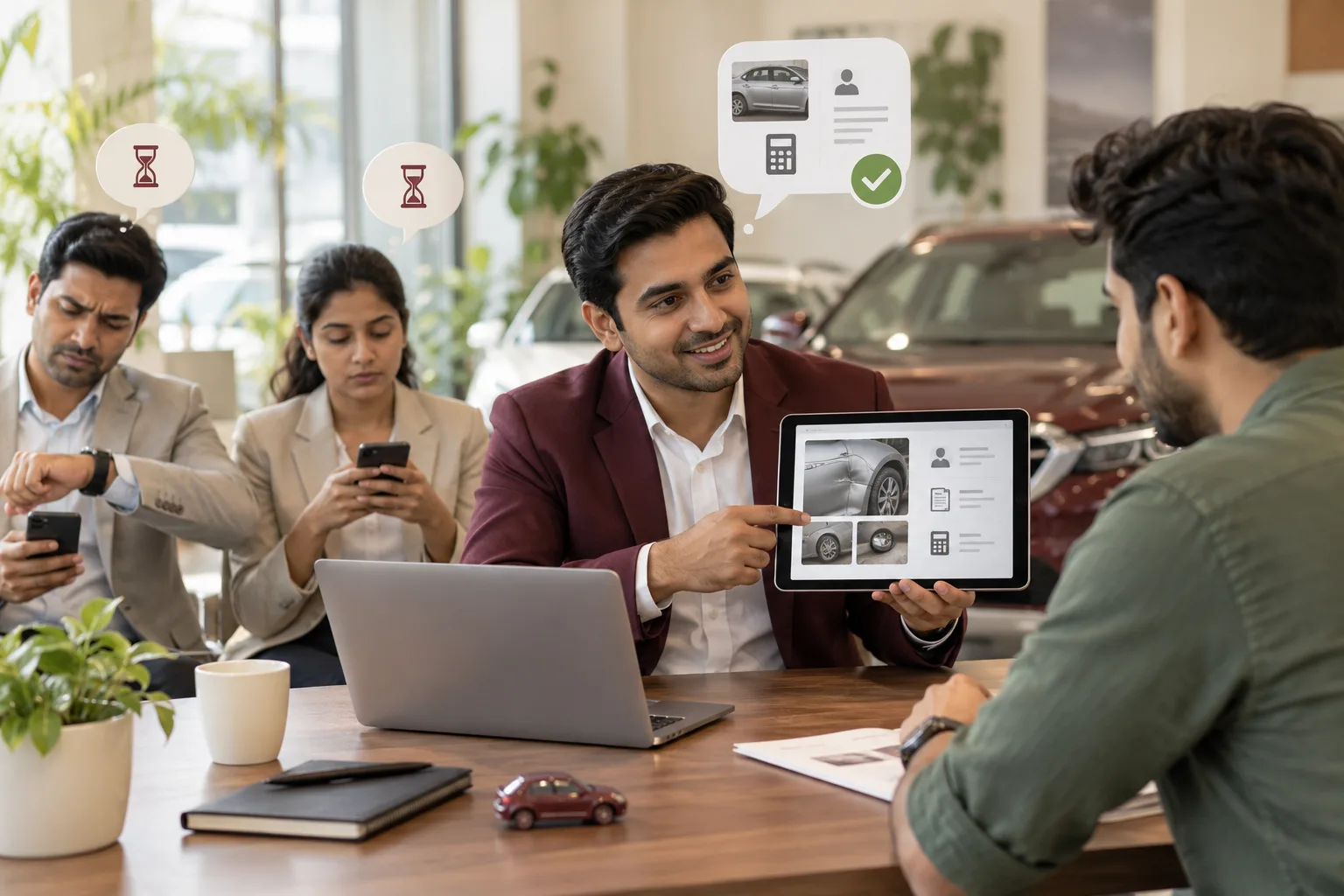
| Used car buyer | Photographs of the flaws, ownership details, service history | A glossy picture with no mention of the dent |
| First bike buyer and parent | Down payment, monthly instalment, delivery date | Sticker price quoted without finance |
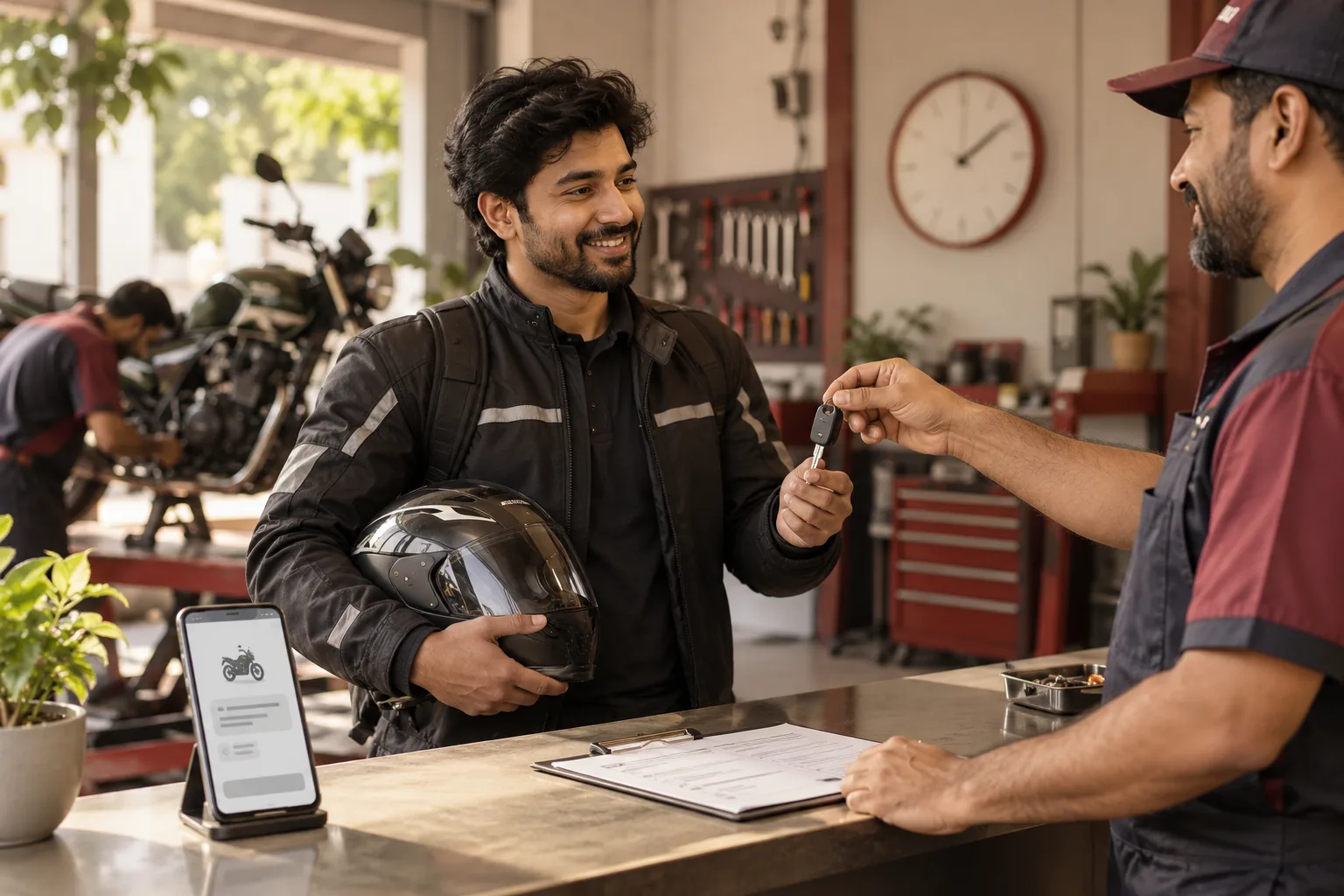
| Rider needing a service | A workshop near home with an estimate they can read | An estimate that grows halfway through the job |
| Mechanic buying a part | Stock and price confirmed on WhatsApp | A reply that arrives after the car is closed up |
| OEM or distributor buyer | Audit readiness, samples, a catalogue by part number | A brochure with no part numbers |
| Fleet or finance head | Lease rental, vehicle choice, service backup | A quote with no word on what happens when a car breaks down |
Why does the first clear reply win the visit?
The buyer has usually sent the same message to three sellers. Whoever answers with a number, a stock position or a date has taken the decision away from the other two, because the buyer now has something to act on. Replies that say "come and see us" restart the comparison.
The leak is rarely the advertising. It is the lead that arrived on a portal at nine at night, or the WhatsApp message sent after the showroom shut, and was answered on Monday. Look at the local SEO work for car dealers and you will see that being found only matters if the person found can answer.
What do buyers need to see before they visit?
Buyers of used cars, repairs and parts share one fear: being told one story and billed another. So they look for evidence of honesty before they leave home. An inspection report, a written estimate, a service history, a parts promise you can actually back, and reviews that mention fair pricing do the work that a salesman cannot do by phone.
For example, a garage in Jayanagar that photographs the worn brake pad, sends it to the owner on WhatsApp and writes the estimate before touching the car will collect a different kind of review from the garage next door. Reviews that say "they showed me the part" are what the next rider reads. See how reviews work for repair shops and ask for them on the day the car is handed back. Never offer a discount or gift in exchange, because platforms and brands can penalise it.
Dealer agreements also limit what a showroom may claim in local adverts. Check with the manufacturer and your own adviser before you publish an offer.
Where does the sale really close?
In vehicle retail, the loan approval, the exchange valuation and the delivery date are the sale. A dealer who can say all three on the first visit beats a bigger dealer who cannot. Garages and fleets have their own version: credit period, GST invoice, insurance claim handling, and a standing agreement for the next year.
Buyers who are told one of these only after the visit feel ambushed, and they go back to the shortlist. Put the three answers in the first message, even as ranges, and say when they will be confirmed.
What happens after the sale?
Almost nothing, in most of these businesses, and that is the opportunity. The job card knows which rider is overdue a service, which car is four years old and which garage account has gone quiet. That record rarely reaches whoever sells. A call to a lapsed garage with the parts it used to buy, or a reminder to a rider with the date and the last job done, costs far less than finding a new buyer.
The same record carries the festival calendar. Showrooms fill before auspicious days, tyres and wipers sell as the monsoon starts, and warranties ending send riders to independent workshops. Plan stock, offers and calls around those dates instead of waiting for them.
What to do next
Pick the last twenty enquiries across your showroom, workshop or counter. Against each, write who replied, how long it took, whether the reply held a price or a stock position, and whether anyone followed up after the first silence. Do it for parts leads and walk-in follow-ups separately, because the pattern differs.
If you want that sheet read with someone who has seen many of them, tell us what you need. We will read it before we call.
Related services