Plastic injection moulding units · Social media
Post the tooling and the finished part, not a generic factory photo.
Social media marketing for a moulding unit, mainly on LinkedIn, means posting real production runs, a new machine or a certification achieved. The audience is procurement engineers and OEM sourcing teams who follow manufacturing content professionally. GullySales plans this around your actual jobs and machine milestones.
Scope, fee, reporting and term are agreed in writing after we have read your brief and spoken to you.
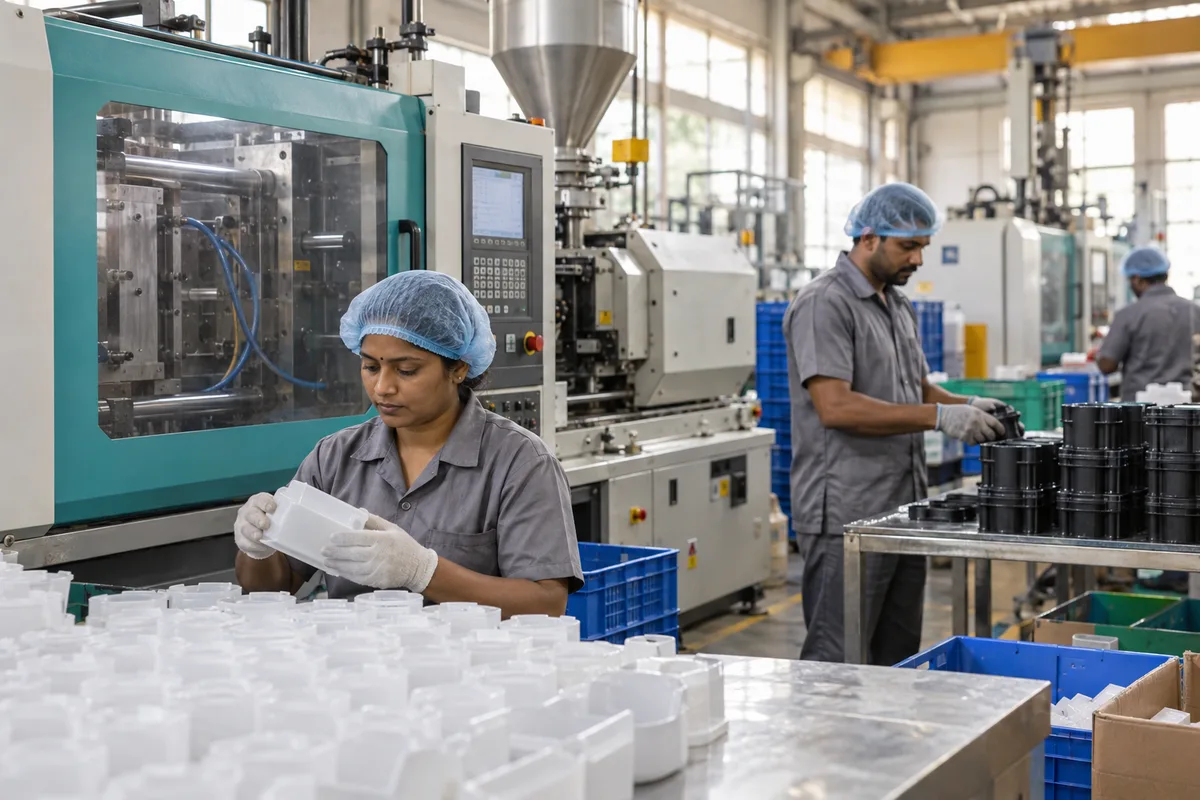
What social media means
Social media is the ongoing posting your business does on platforms such as Instagram, Facebook and LinkedIn to stay visible to customers and prospects between purchases. GullySales plans a posting calendar, writes captions and designs the images so the page looks active and answers what a visitor would ask.
Also for plastic injection moulding units
- Content marketing for plastic injection moulding units
- Influencer marketing for plastic injection moulding units
- AEO for plastic injection moulding units
- Branding for plastic injection moulding units
- Digital marketing for plastic injection moulding units
- Email marketing for plastic injection moulding units
- Google Business Profile for plastic injection moulding units
- Lead generation for plastic injection moulding units
Sales and marketing for plastic injection moulding units, the overview.
Last updated 13 Nov 2026.
For plastic injection moulding units
Where it usually goes wrong, and what we would do.
“LinkedIn reaches the buyer, not a consumer audience”
A procurement engineer sourcing a vendor is more likely to see and remember a LinkedIn post about a new tonnage press or a difficult tolerance solved than any consumer-facing platform.
“A real job, not a stock photo of pellets”
A post showing an actual finished component, the resin used and the tolerance held tells a buyer something concrete about capability. A generic factory or material photo tells them nothing.
“Certifications and new capacity deserve their own announcement”
Achieving IATF 16949 or installing a new press changes which RFQs the unit can pursue. This deserves a direct announcement, not a mention only when a buyer happens to ask.
What we do
What we deliver for plastic injection moulding units.
The work available for this need. We agree the deliverables and responsibilities for your engagement in writing.
A LinkedIn posting plan tied to real jobs
A posting plan built around actual completed jobs, new machines and certifications, aimed at procurement and manufacturing job titles.
Result: Posts reach the people who actually source vendors like this one.
Post write-ups naming resin, tonnage and tolerance
Each post about a finished component written with the resin used and the tolerance held, not a generic factory photograph.
Result: A buyer scrolling past learns something concrete about capability.
A dedicated announcement for certifications and new capacity
A standalone post for a new certification, such as IATF 16949, or a new press installed, rather than a passing mention.
Result: A buyer sees the change without having to ask about it directly.
A milestone list to post from
A running list of new machines, jobs and certifications kept updated, so posts always have something substantial to show.
Result: The page never runs on filler when there is nothing real to post.
How the result is measured
- Posts published
- Engagement rate
- Enquiries from social profiles
Recorded as a baseline before work starts, so every later report has an honest comparison.
Platform for this buyer
Where a sourcing engineer sees a moulder, and what to post there.
- LinkedIn posts from the shop floor
- Post one real job: the part, the resin, the machine tonnage and the tolerance held, with the client named only with permission. A procurement engineer reads this to judge whether you can make their part.
- LinkedIn for certifications and new machines
- Announce an audit passed, a new press or a new mould shop capability, with the certifying body and scope named. Procurement teams look for these when building a vendor list.
- YouTube for the process
- Film a mould change, a first-off inspection or the cleaning of a tool. A short video shows discipline, and an OEM buyer visiting your plant will already have seen it.
- IndiaMART product listings
- Keep each listing current with real photographs, the resin grades you mould and the part sizes you handle. Buyers on the platform enquire with a drawing or a sample.
- What not to post
- Do not post a client's drawing, mould or part with a trade name without written permission, and do not show tooling that belongs to the customer. Check your mould ownership terms first.
Who it is for
This is written for these plastic injection moulding units.
- Automotive component moulders
- Appliance and consumer durable moulders
- Packaging and closure manufacturers
- Electronics and electrical enclosure moulders
- Medical and pharmaceutical packaging moulders
- Toy and consumer goods moulders
- Precision and tight-tolerance job shops
- Two-shot and insert moulding specialists
- Custom and low-volume prototype moulders
Not for
It is not the right fit if.
- Nobody on the shop floor is permitted to photograph a job, and customers have not agreed to any display, so a feed would have nothing real to carry.
- The unit has no engineer who can reply to a message from a buyer on LinkedIn.
Before you decide
Agree the work. Know how to judge it.
Social media marketing for plastic injection moulding units: use these checks to prepare, choose the scope, and review what changes.
Bring the right evidence
Review the posts that produced useful conversations, not only the ones with the most views. Gather buyer questions and decide which team member can contribute credible material.
Make the scope clear
Choose the audience and channel before setting a posting volume. Agree who supplies material, approves posts, and handles messages, including complaints or questions the agency cannot answer.
Check the work in use
Follow a post through to the profile, website, and response. A useful report explains the quality of conversations and enquiries, alongside reach and engagement.
Know when to change course
If publishing takes time away from unanswered buyer messages, fix the response routine first. Do not expand to another channel without a clear reason for being there.
These are discussion points, not a fixed package. GullySales confirms the deliverables, responsibilities, fee, and term in writing after reading your brief and speaking with you.
Before we start
What to have ready before the work starts.
The records, access and decisions this work needs from plastic injection moulding units. Anything missing is noted in the written scope, with who will supply it.
- A phone and the permission to photograph
- A phone camera, a person who can use it and the plant head's permission to photograph on the floor. Safety rules and customer confidentiality apply, so you tell us which areas are off limits. Without photographs of real work, the page posts text only and loses much of its pull.
- Job cards for the parts to feature
- Cards or setup sheets for several parts you are happy to describe, giving the resin, press, cavity count and tolerance. They keep post wording accurate. If you cannot share them, posts stay general and name the process and the material only.
- Admin access to the company page
- Admin rights to the unit's LinkedIn page and the owner's agreement to post from personal profiles. If a former employee holds the page, send us the recovery steps. Without access, we hand you posts in a document and your team publishes them.
- A note of any customer restrictions
- A list of OEMs whose parts, tools or names may not be shown, and what the agreement says. Showing the wrong part can cost an account. Where the list does not exist, we treat every customer part as restricted until you clear it.
- Someone to watch the messages
- A named person who checks the page's messages and comments on working days and moves any drawing into the RFQ record. A buyer who writes and hears nothing does not write twice. If nobody can watch, we advise switching off direct messages.
How it works
How the social media work runs
The work itself, in order. How an engagement starts, from your brief to a written scope, is set out on our method page.
- 1
Decide whose LinkedIn page speaks
We begin with the company page and the profiles of the owner, the plant head and the sales engineer, and look at what each shows today. You decide who will speak for the unit in public. The buyers you want to reach follow people at least as much as companies, so this choice shapes the rest.
- 2
Walk the shop floor with a phone
We go through the plant with your team and mark what is worth showing: a press running a long job, an insert placed in the tool, a first article laid on the bench, a new machine on its foundation. You mark what must not appear, such as a customer's part or a drawing.
- 3
List the milestones the plant can post from
With the owner we list the events worth a post: a new press, a certificate, a hard part delivered, an exhibition visit. Each is noted with the material, tonnage and tolerance that matter. These facts come from the job cards and the plant head, and the list is added to as the plant changes.
- 4
Draft the posts around real jobs
We write each post from a job or a milestone, naming the resin, the press and the tolerance in plain words, and send it to your plant head to confirm. A stock photograph of pellets is not used. You approve every post before it goes out, and unapproved drafts stay in the folder.
- 5
Publish and handle the messages that come in
Posts are published from the plan, and we agree who answers when a buyer comments or sends a message with a drawing. Your sales engineer takes any direct enquiry into the RFQ record at once. We check that no customer's confidential detail has crept into a reply.
- 6
Read posts against RFQs and connection requests
We count which posts drew profile visits and connection requests from sourcing roles, and which led to an RFQ, set against the figures noted before the first post. You decide which kinds of post to repeat, and which to drop, such as milestone announcements that drew silence.
Where this fits
Three pieces of sales work, in this order.
This work sits inside sales process design, at stage 0, foundation. The audit comes before it, and sales management keeps it running.
Step 1
Sales audit
Find where deals are being lost and what to fix first.
Start here if you cannot say where orders are lost.
Step 2 · you are here
Sales process design
One written way to sell, from first enquiry to repeat order.
Start here if every salesperson sells differently.
Step 3
Sales management
A target, a review routine and someone who owns the number.
Start here if the team has targets and no routine.
FAQ
Questions owners ask before they call.
Not here? More answers, or ask on WhatsApp.
Which platform matters most for a moulding unit?
How often should we post?
Should we show machine photographs with the maker's name visible?
A buyer messages us on LinkedIn with a drawing. What next?
Is it worth using Instagram or YouTube as well?
Is it wise for the owner to post as themselves?
How much does it cost?
How long is the contract?
How soon will we see results?
Who will actually do the work?
From the blog
Further reading for plastic injection moulding units.
 6 min read · 6 Oct 2026How industrial buyers decide which unit gets the RFQWhat industrial buyers check before sending an RFQ, across nine manufacturing trades, and where a unit drops off the shortlist.
 7 min read · 8 Jul 2026How to get plastic moulding job work and CNC machining ordersJob work orders go to shops buyers can find and check. How moulders and machine shops get on RFQ lists and win repeat orders.
 6 min read · 10 Mar 2026Website checklist for manufacturing companiesA manufacturing website is a technical document with a phone number: machine list, materials, tolerances and a form that accepts a drawing.
More for plastic injection moulding units
Related work to consider.
Closest to this: content and social
Also for plastic injection moulding units
- AEO for plastic injection moulding units
- Branding for plastic injection moulding units
- Digital marketing for plastic injection moulding units
- Email marketing for plastic injection moulding units
- Google Business Profile for plastic injection moulding units
- Lead generation for plastic injection moulding units
Or start from the overview: sales and marketing for plastic injection moulding units.
Your next practical step
Tell us what you are trying to grow, and we will read it before we call.
Eight short steps, mostly taps. Skip anything you would rather answer on the call.