Window manufacturers · Search engine optimisation
Be the page a buyer finds when comparing uPVC, aluminium and sliding windows.
SEO for a window manufacturer means making the site answer the questions a buyer types before choosing a material, a window type or a maker. GullySales works on page structure, product pages, comparison pages and the technical basics that let search engines read them.
Scope, fee, reporting and term are agreed in writing after we have read your brief and spoken to you.
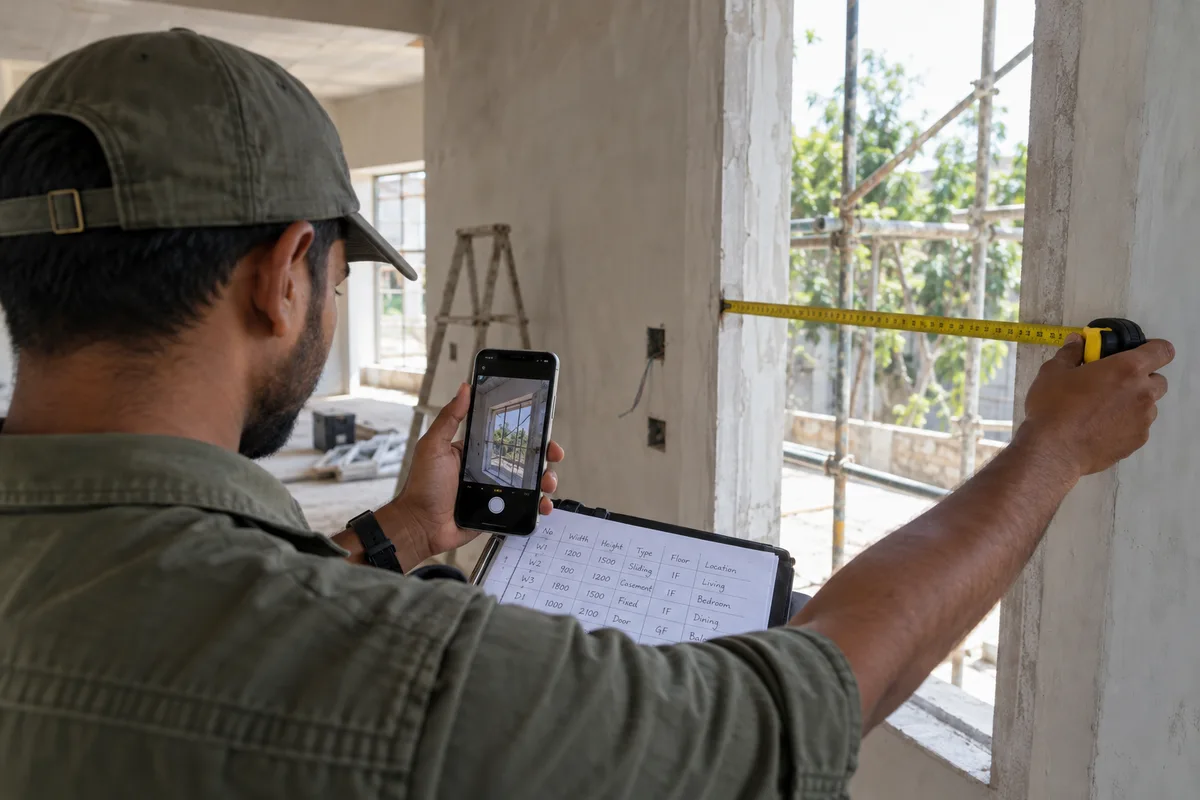
What search engine optimisation means
Search engine optimisation (SEO) is the work of getting your website to appear when a buyer searches Google for what you sell. GullySales builds pages around real search terms, fixes technical issues that block ranking, and tracks which searches actually bring enquiries.
Also for window manufacturers
- Local SEO for window manufacturers
- Website for window manufacturers
- Lead generation for window manufacturers
- Social media marketing for window manufacturers
- Content marketing for window manufacturers
- Buyer personas for window manufacturers
- CRM for window manufacturers
- Follow-up systems for window manufacturers
Sales and marketing for window manufacturers, the overview.
Last updated 14 Nov 2026.
For window manufacturers
Where it usually goes wrong, and what we would do.
“Buyers search for a problem before a product”
A person whose bedroom faces a busy road types about noise and glass, not about your profile series. A page that answers the noise question in plain words meets them early, and then introduces what you make.
“Material comparisons are the real search”
uPVC against aluminium, sliding against casement, double glazing against single: these are the searches of someone near a decision. A maker that writes each comparison honestly, with the trade-offs, reads as an adviser and not a seller.
“Product pages written as catalogues rank poorly”
A page listing profile codes and finishes tells a buyer nothing about use. Window type pages that explain rain sealing, security, cleaning and mosquito mesh give a search engine real text and a buyer a reason to stay.
“Dealers and fabricators search differently”
A fabricator looks for a profile system supplier, hardware availability and technical support. These readers need their own pages, kept apart from the homeowner pages, so neither is confused.
What we do
What we deliver for window manufacturers.
The work available for this need. We agree the deliverables and responsibilities for your engagement in writing.
Search plan by buyer and window type
A list of the questions homeowners, builders, architects and fabricators ask, matched to the pages that answer them.
Result: You can see which question has a page and which still has none.
Comparison pages
Separate pages for uPVC against aluminium, sliding against casement, and glass choices, written in plain language.
Result: A buyer reading a rival's quote can look up the difference on your site.
Window type pages
Each type explained with the use, the sealing, the security and the care, plus installed photographs.
Result: Every window type you make has a page with its own text and images.
Page titles, headings and internal links
Titles and headings set to carry the words buyers use, with links between related pages.
Result: Each page has one clear subject and links to the next question.
Technical clean-up
Mobile loading, image sizes, page addresses and a sitemap checked and corrected.
Result: Search tools report your pages as readable, and the site loads on a phone.
Fabricator and dealer section
Technical sheets, hardware information and a partnership page with its own address.
Result: A fabricator searching for a system supplier lands on a page written for them.
How the result is measured
- Ranking positions
- Organic traffic
- Enquiries from organic search
Recorded as a baseline before work starts, so every later report has an honest comparison.
Searches your buyers type
The searches a homeowner or builder types before asking a window maker for a measurement.
- uPVC windows vs aluminium windows
- A comparison page that sets out heat, rain, maintenance and frame size for each, says which you make, and ends with a request for a site measurement.
- sliding windows for balcony
- A product page with fitted examples, the track and rain drainage, and the opening sizes the system takes.
- soundproof windows for flat near road
- A noise page that explains glass thickness, the gap and the seal, shows fitted jobs near traffic and says that a site check comes before any recommendation.
- window supplier for builders
- A builder page covering sample flats, repeat sizes and delivery to a site schedule, with an enquiry that asks the number of units.
- aluminium extrusion system for fabricators
- A fabricator page listing the sections, hardware and support you provide, with a route to become a partner.
Who it is for
This is written for these window manufacturers.
- uPVC window manufacturers
- Aluminium window and sliding door makers
- Aluminium extrusion system suppliers to fabricators
- Wooden window and teak frame makers
- Fixed glass, curtain wall and structural glazing fabricators
- Fire and acoustic window specialists
- Mosquito mesh and safety grille window makers
- Manufacturers with their own dealer and installer network
Before you decide
When this may not be the right fit.
- Your product pages are copies of the profile supplier's text, so new pages would add words that already exist elsewhere and rank for nothing
- No one answers a call from search on the same day, so the buyer who found you would move on to the next window maker
Before you decide
Agree the work. Know how to judge it.
SEO for window manufacturers: use these checks to prepare, choose the scope, and review what changes.
Bring the right evidence
Bring the pages for the products or services you want to sell, the search queries available in your reports, and examples of enquiries from search. Separate branded searches from buyers discovering you for the first time.
Make the scope clear
Agree which pages and technical fixes come first, who can publish changes, and who supplies subject knowledge. Link search work to a relevant enquiry route on each priority page.
Check the work in use
Follow the trail from a relevant query to its landing page and then to an enquiry. Review whether those enquiries fit your offer, alongside indexing and search visibility.
Know when to change course
A ranking movement alone is not a buying signal. If traffic grows but relevant enquiries do not, revisit page intent and the offer before producing more pages.
These are discussion points, not a fixed package. GullySales confirms the deliverables, responsibilities, fee, and term in writing after reading your brief and speaking with you.
Before we start
What to have ready before the work starts.
The records, access and decisions this work needs from window manufacturers. Anything missing is noted in the written scope, with who will supply it.
- Technical datasheets for each window system
- Provide the datasheets or specification notes you hold for each system: profile sections, glass options, hardware. Page statements are drawn from them. Without them, we write only the points your engineer can confirm by hand, and the comparison pages are thinner.
- Notes of questions customers ask on site
- Ask the measurement team and fitters to jot down the questions buyers raise. A page of notes is enough. They are the real search plan. If the notes are missing, the plan is built from general window topics and misses the doubts particular to your area.
- Admin access to the current website
- Give us access to the editing area and the search console, or tell us who holds them. We cannot publish or fix titles without them. If the site is with an old agency, asking them to release access is the first job.
- A decision on what the site may claim
- State which performance claims about sound, heat or sealing you can support with a test report, and which you cannot. Our wording follows it. Without the decision, pages avoid performance claims, and a buyer's main doubts go unanswered.
- Photographs of window types fitted in homes
- Collect pictures of sliding, casement and fixed windows installed, with the opening type noted. They go on the type pages. Where none exist, the pages carry plain section drawings, and a photograph shoot is added to your list.
How it works
How the search engine optimisation work runs
The work itself, in order. How an engagement starts, from your brief to a written scope, is set out on our method page.
- 1
List the doubts a buyer types into search
We begin with the sales desk and the site team, asking what a buyer says before choosing: whether uPVC lasts, whether aluminium is hot, why a window leaks in rain. You correct our list from your own conversations. What exists afterwards is a search plan grouped by buyer and by window type, with the buyer's words kept as they are.
- 2
Check the site against that plan
We go through the current site page by page, noting which doubt each page answers, which pages are catalogue text only and which buyers have no page at all. You tell us what the site is allowed to say about performance. The output is a gap list, with the pages to write placed first.
- 3
Write the comparison pages with your engineer
We draft the uPVC and aluminium comparison and the sliding and casement comparison in plain language, and your engineer corrects every statement about sound, heat and sealing. Trade-offs stay in; a page that hides them is not trusted. You decide which of your systems is named on each page.
- 4
Write window type pages from the shop floor
For sliding, casement, tilt and turn and fixed windows, we write one page each from what your production and fitting teams explain: how it opens, where it suits and what it needs in the wall. We avoid copying the profile maker's text. The pages are checked against photographs of your own fitted work.
- 5
Repair titles, headings and links to the pages
We rewrite page titles and headings so each states the question it answers, link the pages to each other, and fix the technical faults that stop a phone from loading them. Your web contact makes the changes we list. Old addresses are redirected before anything is removed, so existing links and listings keep working.
- 6
Read searches against the first record
We compare which searches and pages bring visitors and enquiries with the record taken at the start, reading homeowner searches and trade searches apart. You decide which pages to expand. No position on a search page is promised. The record shows whether buyers who ask the doubts we wrote about now find the pages that answer them.
Where this fits
Three pieces of sales work, in this order.
This work sits inside sales process design, at stage 1, prospecting and lead generation. The audit comes before it, and sales management keeps it running.
Step 1
Sales audit
Find where deals are being lost and what to fix first.
Start here if you cannot say where orders are lost.
Step 2 · you are here
Sales process design
One written way to sell, from first enquiry to repeat order.
Start here if every salesperson sells differently.
Step 3
Sales management
A target, a review routine and someone who owns the number.
Start here if the team has targets and no routine.
FAQ
Questions owners ask before they call.
Not here? More answers, or ask on WhatsApp.
Will writing more pages bring more enquiries?
Should we use the profile maker's own product text?
Does our old site need rebuilding for this?
How do we compete with the profile brand's own site?
Once live, whose job is it to maintain the pages?
Do the pages need a regional-language version beside English?
How much does it cost?
How long is the contract?
How soon will we see results?
Who will actually do the work?
More for window manufacturers
Related work to consider.
Closest to this: search and visibility
Also for window manufacturers
Or start from the overview: sales and marketing for window manufacturers.
Your next practical step
Tell us what you are trying to grow, and we will read it before we call.
Eight short steps, mostly taps. Skip anything you would rather answer on the call.