Crop protection product companies · Content marketing
Publish what a grower, a dealer and an agronomist each need to read before spraying.
Content marketing for a crop protection company means explanatory material on pests, diseases, crop stages and safe use, written for growers, dealers and consultants. GullySales plans the pieces, writes them within the registered label and keeps a record of who checked each one.
Scope, fee, reporting and term are agreed in writing after we have read your brief and spoken to you.
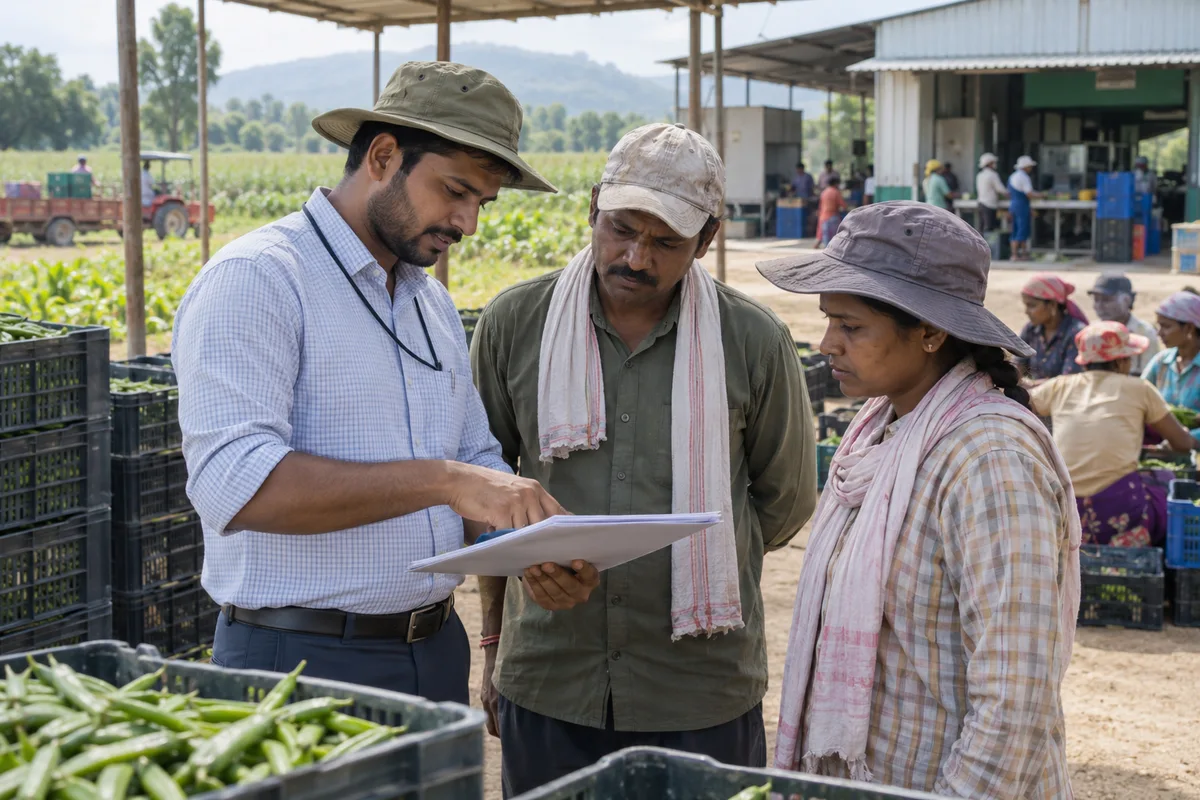
What content marketing means
Content marketing is writing articles, guides and pages that answer the questions buyers search before they are ready to enquire. This makes your business visible and trusted before the first call. GullySales plans this content from the first conversation onward, choosing topics that match real search demand rather than guesses.
Also for crop protection product companies
- Social media marketing for crop protection companies
- Lead generation for crop protection companies
- SEO for crop protection companies
- Buyer personas for crop protection companies
- CRM for crop protection companies
- Follow-up systems for crop protection companies
- WhatsApp marketing for crop protection companies
- Digital marketing for crop protection companies
Sales and marketing for crop protection product companies, the overview.
Last updated 18 Oct 2026.
For crop protection product companies
Where it usually goes wrong, and what we would do.
“Three readers need three different pieces”
A grower wants to recognise the pest. A dealer wants a one-page product sheet and a reason to restock. An agronomist wants the trial detail with site and season. One brochure written for all three satisfies none of them.
“Safe use is content, not a footer”
Protective equipment, re-entry intervals and waiting periods before harvest, as printed on the label, are what a careful dealer repeats to the farmer. Putting these in the body of the piece, in the grower's language, shows the company takes them seriously.
“Trial results lose meaning when rounded”
A summary that says a plot performed well, with no crop, site, season or dose, is dismissed by consultants. Stating the trial exactly as recorded, including a plot that did not perform, earns more trust than a polished headline.
“A season of one-off posts leaves nothing to reuse”
Pieces written in a rush for a single festival or pest scare cannot be found a year later. A library organised by crop and problem is reused each season and can be updated when a label changes.
What we do
What we deliver for crop protection product companies.
Every deliverable, what it covers for you, and the result it is there to produce. Nothing here is an extra.
A crop and problem article library
Explanatory articles on identifying and managing named pests and diseases on named crops, within what the label states.
Result: A library indexed by crop and problem, each article carrying its label reference.
A dealer product sheet
A one-page sheet per product in the regional language with registered uses, safe-use notes and the company's contact for queries.
Result: A sheet a dealer can pin to the counter and hand to a farmer.
An agronomist trial note
A plain note per trial with crop, site, season, dose and observation as recorded, including mixed outcomes.
Result: A note a consultant can cite and trace back to a plot.
A review record
A log of who checked each piece against the label and when, held by your regulatory contact.
Result: Every published piece has a named checker.
Reuse plan
A map showing which article becomes a video script, a WhatsApp card and a dealer training slide.
Result: One piece of writing feeds each channel without being rewritten from scratch.
How the result is measured
- Pages published
- Organic traffic
- Enquiries from content pages
Recorded as a baseline before work starts, so every later report has an honest comparison.
Who it is for
This is written for these crop protection product companies.
- Insecticide, fungicide and herbicide formulation companies
- Bio-pesticide and bio-stimulant companies
- Plant growth regulator and micronutrient suppliers
- Generic agrochemical companies selling through distributors
- Companies with their own brands and a regional dealer network
- Companies supplying large growers, plantations and estates
- Companies serving horticulture and vegetable growers
- Exporters and importers of technical and formulations
How it works
How the content marketing work runs
The work itself, in order. How an engagement starts, from your brief to a written scope, is set out on our method page.
- 1
Confirm the plan
Topics and formats for the coming month are confirmed against the content strategy.
- 2
Produce and review
Content is written or filmed, then reviewed by someone who knows your trade before it goes out.
- 3
Publish and distribute
Finished content is published to the site and pushed through the channels your buyers actually use.
- 4
Track enquiries
Enquiries are traced back to content where a direct line exists, and reported honestly where it does not.
- 5
Report and adjust
We report results and adjust the next topics based on what actually worked.
Where this fits
Three pieces of sales work, in this order.
This work sits inside sales process design, at stage 0, foundation. The audit comes before it, and sales management keeps it running.
Step 1
Sales audit
Find where deals are being lost and what to fix first.
Start here if you cannot say where orders are lost.
Step 2 · you are here
Sales process design
One written way to sell, from first enquiry to repeat order.
Start here if every salesperson sells differently.
Step 3
Sales management
A target, a review routine and someone who owns the number.
Start here if the team has targets and no routine.
FAQ
Questions owners ask before they call.
Not here? More answers, or ask on WhatsApp.
Who signs off the content?
Do we need long articles?
How much does it cost?
How long is the contract?
How soon will we see results?
Who will actually do the work?
What do you need from us?
What if we are not happy with the work?
More for crop protection product companies
Everything else we would do for you.
Closest to this: content and social
Also for crop protection product companies
Or start from the overview: sales and marketing for crop protection product companies.
Your next practical step
Tell us what you are trying to grow, and we will read it before we call.
Eight short steps, mostly taps. Skip anything you would rather answer on the call.