LPG and cooking gas distributors · Search engine optimisation
Appear when a kitchen or hostel searches for a cylinder supplier in your area.
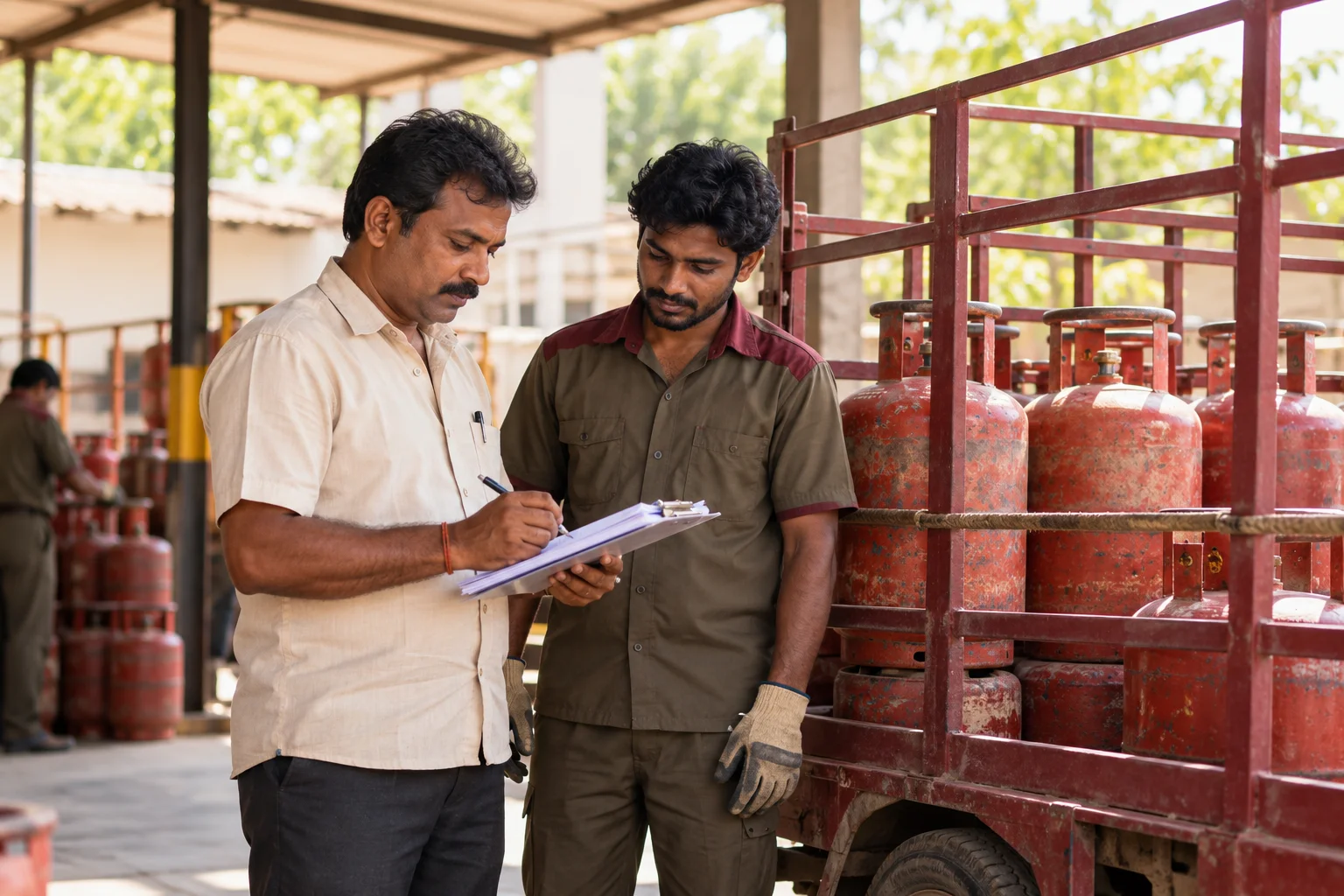
SEO for an LPG distributor is the work of showing up when a cook, warden or factory manager searches for commercial gas supply near them. GullySales works on the pages and listing that answer those searches, within what your oil company agreement permits.
Scope, fee, reporting and term are agreed in writing after we have read your brief and spoken to you.
What search engine optimisation means
Search engine optimisation (SEO) is the work of getting your website to appear when a buyer searches Google for what you sell. GullySales builds pages around real search terms, fixes technical issues that block ranking, and tracks which searches actually bring enquiries.
Also for LPG and cooking gas distributors
Sales and marketing for LPG and cooking gas distributors, the overview.
Last updated 22 Oct 2026.
For LPG and cooking gas distributors
Where it usually goes wrong, and what we would do.
“The searcher is in a hurry and in your area”
A cook with an empty cylinder types the area and the word cylinder, and taps the first number. Search work for an agency is narrow and local, nothing like national content writing. The pages should name the locality, the cylinder sizes you supply and the number that is answered.
“Commercial supply needs its own page”
A page for household booking does not answer a canteen manager. A separate page for commercial, small cylinder and bulk supply, with the delivery area and billing arrangement, meets the right searcher. Add the area you serve and how an order is placed so the visitor can act without a call.
“Safety content must stay factual”
Searchers look for leak steps and regulator advice. Share the oil company's own published guidance and point to emergency numbers, and avoid advice of your own that could mislead. Check the content with your sales officer.
“Complaints appear in search results”
A late delivery posted as a review appears when someone searches your name. Search work includes replying to those and fixing the service issue behind them.
What we do
What we deliver for LPG and cooking gas distributors.
Every deliverable, what it covers for you, and the result it is there to produce. Nothing here is an extra.
A commercial supply page
Cylinder sizes you supply, area served, delivery routine and how to order, with no pricing claims.
Result: A kitchen sees at once that you serve them.
Area pages for localities you serve
Pages naming the roads, markets and institutions within your delivery area.
Result: Searchers in each locality find a nearby agency.
A safety and emergency page
Links to the oil company's official guidance and the emergency numbers, kept current.
Result: The page serves customers without making claims of its own.
Listing and name consistency
Your agency name, address and phone entered the same way across the web.
Result: Search engines trust one set of details.
A baseline of enquiries from search
Calls and form submissions from search recorded before work begins.
Result: Later change is measured against a known starting point.
A search-phrase list from your own calls
Words customers actually used when ringing, taken from the counter and delivery team.
Result: Pages use the language of your area.
A page for bulk and factory enquiries
Supply continuity, storage questions and the contact for a named person, with no claims about prices.
Result: A bulk buyer finds a serious route.
How the result is measured
- Ranking positions
- Organic traffic
- Enquiries from organic search
Recorded as a baseline before work starts, so every later report has an honest comparison.
Who it is for
This is written for these LPG and cooking gas distributors.
- Oil company appointed distributors for domestic connections
- Commercial cylinder suppliers to restaurants and caterers
- Distributors serving hostels, PGs and institutional canteens
- Small cylinder and refill dealers for tenants and students
- Bulk LPG suppliers to hotels, factories and hospitals
- Rural distributors serving villages with scattered delivery
- Urban apartment-belt agencies in cities such as Bengaluru, Pune and Hyderabad
- Gas stove, regulator and hose accessory sellers attached to an agency
How it works
How the search engine optimisation work runs
The work itself, in order. How an engagement starts, from your brief to a written scope, is set out on our method page.
- 1
Audit and baseline
We record where the site stands today: positions, traffic, technical faults and the enquiries search currently produces. Nothing starts until this number is written down.
- 2
Decide what to rank for
We map the searches your buyers use, in your words and theirs, and pick the ones worth the effort for your margin and your capacity.
- 3
Fix the foundations
Technical faults first, because the cheapest gains are usually there. Then the Business Profile and directory consistency.
- 4
Build the pages
A page for each thing you do, written to answer the question it is searched for, with a clear next step at the end.
- 5
Publish and earn mentions
Content goes out on the calendar. Links and mentions are earned from real relationships, not bought.
- 6
Measure, report, adjust
At the interval agreed at the start we report what moved and what did not, and change the plan when the numbers say so.
Where this fits
Three pieces of sales work, in this order.
This work sits inside sales process design, at stage 1, prospecting and lead generation. The audit comes before it, and sales management keeps it running.
Step 1
Sales audit
Find where deals are being lost and what to fix first.
Start here if you cannot say where orders are lost.
Step 2 · you are here
Sales process design
One written way to sell, from first enquiry to repeat order.
Start here if every salesperson sells differently.
Step 3
Sales management
A target, a review routine and someone who owns the number.
Start here if the team has targets and no routine.
FAQ
Questions owners ask before they call.
Not here? More answers, or ask on WhatsApp.
Can we promise a first-page ranking?
Should the site list gas prices?
Do we need a large site?
How long is the contract?
How soon will we see results?
Who will actually do the work?
What do you need from us?
What if we are not happy with the work?
More for LPG and cooking gas distributors
Everything else we would do for you.
Closest to this: search and visibility
Also for LPG and cooking gas distributors
Or start from the overview: sales and marketing for LPG and cooking gas distributors.
Your next practical step
Tell us what you are trying to grow, and we will read it before we call.
Eight short steps, mostly taps. Skip anything you would rather answer on the call.