LPG and cooking gas distributors · Social media
Post the service, the safety checks and the delivery team, not the cylinder.
Social media marketing for an LPG distributor is the use of short posts to show delivery, safety checks and the people behind the counter. GullySales works on what to share, what to leave out and how to reply, within your oil company agreement.
Scope, fee, reporting and term are agreed in writing after we have read your brief and spoken to you.
What social media means
Social media is the ongoing posting your business does on platforms such as Instagram, Facebook and LinkedIn to stay visible to customers and prospects between purchases. GullySales plans a posting calendar, writes captions and designs the images so the page looks active and answers what a visitor would ask.
Also for LPG and cooking gas distributors
Sales and marketing for LPG and cooking gas distributors, the overview.
Last updated 22 Oct 2026.
For LPG and cooking gas distributors
Where it usually goes wrong, and what we would do.
“A cylinder photo says nothing”
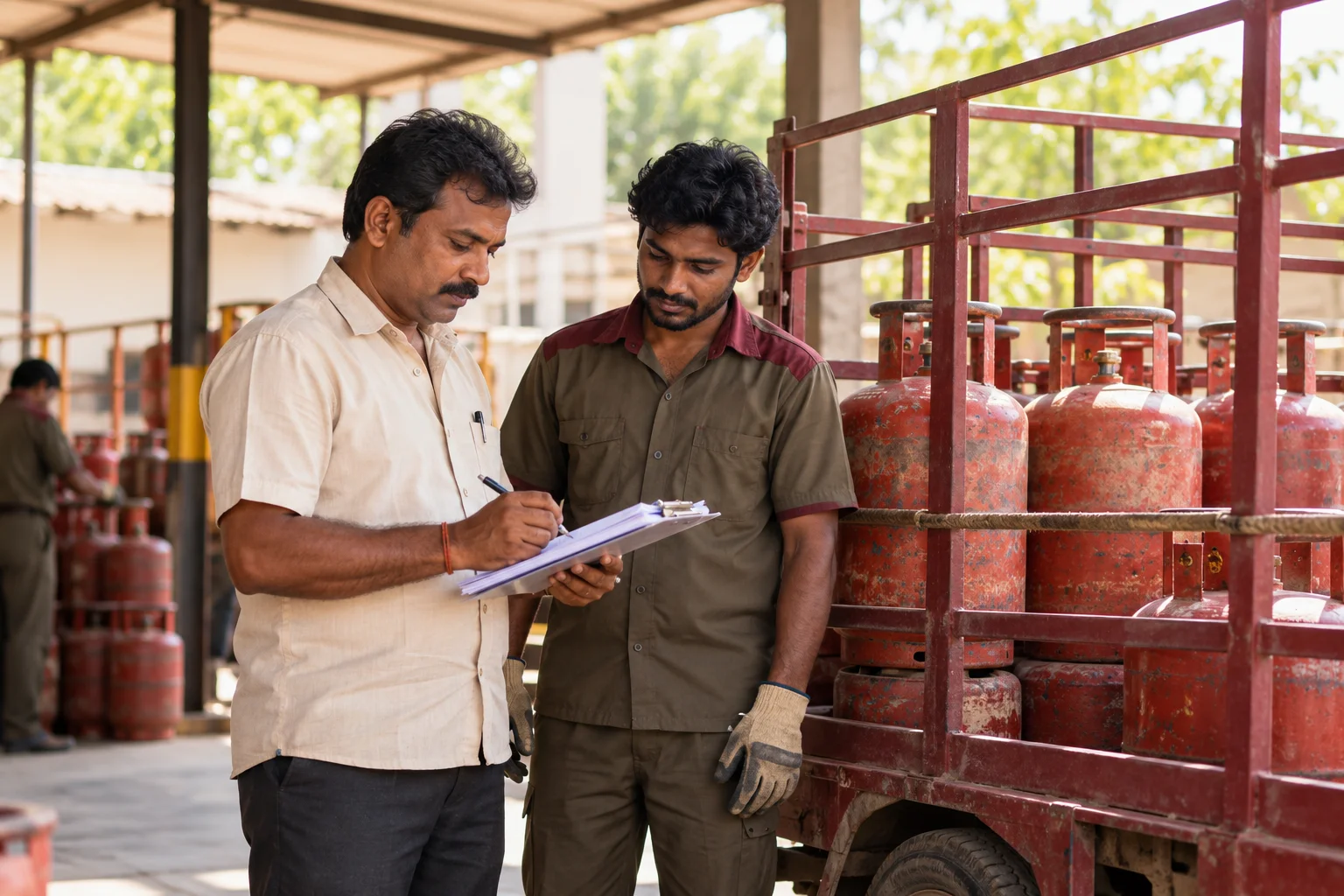
Every agency posts the same red cylinder. A post that shows a mechanic checking a regulator or a delivery team with a clear route tells a customer what you do beyond selling gas. Customers share the second post, not the first.
“Safety posts must be correct, not clever”
Share the oil company's published guidance and point to official numbers. A homemade safety tip that is wrong does harm and invites a complaint. Link to the source rather than rewriting it.
“Customers use social media to complain”
A late delivery posted in a local group reaches the whole neighbourhood. Replying in public once, politely, and moving to a call, limits the damage. The same person should reply each time so the tone does not change.
“Advertising limits apply to posts too”
The agreement and government orders cover how an agency may present itself. Confirm with your sales officer before running any paid post or offer.
What we do
What we deliver for LPG and cooking gas distributors.
Every deliverable, what it covers for you, and the result it is there to produce. Nothing here is an extra.
A simple post plan
Themes such as service visits, delivery team, safety guidance links and notices, with examples for each.
Result: The profile has a reason to be followed.
A rule list for what not to post
Prices, offers and claims your agreement does not allow, and customer details.
Result: Nobody posts something that must be taken down.
A reply guide for complaints
Short wording for a public reply and a rule for taking the matter to a call.
Result: Complaints are answered the same way each time.
Team introductions
Photographs and names of the counter and delivery staff, with their agreement.
Result: Customers recognise the person who arrives.
Notices for supply changes
Clear posts about closures, delays and booking changes.
Result: Customers hear it from you first.
A posting rhythm agreed by you
A schedule you decide, covering notices and one useful post.
Result: The profile never looks abandoned.
How the result is measured
- Posts published
- Engagement rate
- Enquiries from social profiles
Recorded as a baseline before work starts, so every later report has an honest comparison.
Who it is for
This is written for these LPG and cooking gas distributors.
- Oil company appointed distributors for domestic connections
- Commercial cylinder suppliers to restaurants and caterers
- Distributors serving hostels, PGs and institutional canteens
- Small cylinder and refill dealers for tenants and students
- Bulk LPG suppliers to hotels, factories and hospitals
- Rural distributors serving villages with scattered delivery
- Urban apartment-belt agencies in cities such as Bengaluru, Pune and Hyderabad
- Gas stove, regulator and hose accessory sellers attached to an agency
How it works
How the social media work runs
The work itself, in order. How an engagement starts, from your brief to a written scope, is set out on our method page.
- 1
Understand your audience and platforms
We identify which platforms your specific buyers actually use and what kind of content they respond to.
- 2
Audit current presence
We review existing pages, past content performance and any gaps in consistency.
- 3
Build the content calendar
A plan is created, balancing genuine value with occasional direct offers.
- 4
Implement and post
Content is created and published consistently on the agreed schedule.
- 5
Measure and optimise
We track enquiries alongside engagement and adjust the content mix based on what actually performs.
Where this fits
Three pieces of sales work, in this order.
This work sits inside sales process design, at stage 0, foundation. The audit comes before it, and sales management keeps it running.
Step 1
Sales audit
Find where deals are being lost and what to fix first.
Start here if you cannot say where orders are lost.
Step 2 · you are here
Sales process design
One written way to sell, from first enquiry to repeat order.
Start here if every salesperson sells differently.
Step 3
Sales management
A target, a review routine and someone who owns the number.
Start here if the team has targets and no routine.
FAQ
Questions owners ask before they call.
Not here? More answers, or ask on WhatsApp.
Which platform suits an agency?
Can we post offers on commercial cylinders?
Who handles the page?
How much does it cost?
How long is the contract?
How soon will we see results?
Who will actually do the work?
What do you need from us?
What if we are not happy with the work?
More for LPG and cooking gas distributors
Everything else we would do for you.
Closest to this: content and social
Also for LPG and cooking gas distributors
Or start from the overview: sales and marketing for LPG and cooking gas distributors.
Your next practical step
Tell us what you are trying to grow, and we will read it before we call.
Eight short steps, mostly taps. Skip anything you would rather answer on the call.