LPG and cooking gas distributors · Content marketing
Publish the guides a cook, warden or caterer needs before choosing a supplier.
Content marketing for an LPG distributor means publishing plain guides on booking, commercial supply, small cylinders and what a customer should expect from delivery. GullySales works on topics that answer real questions without making claims the agreement does not allow.
Scope, fee, reporting and term are agreed in writing after we have read your brief and spoken to you.
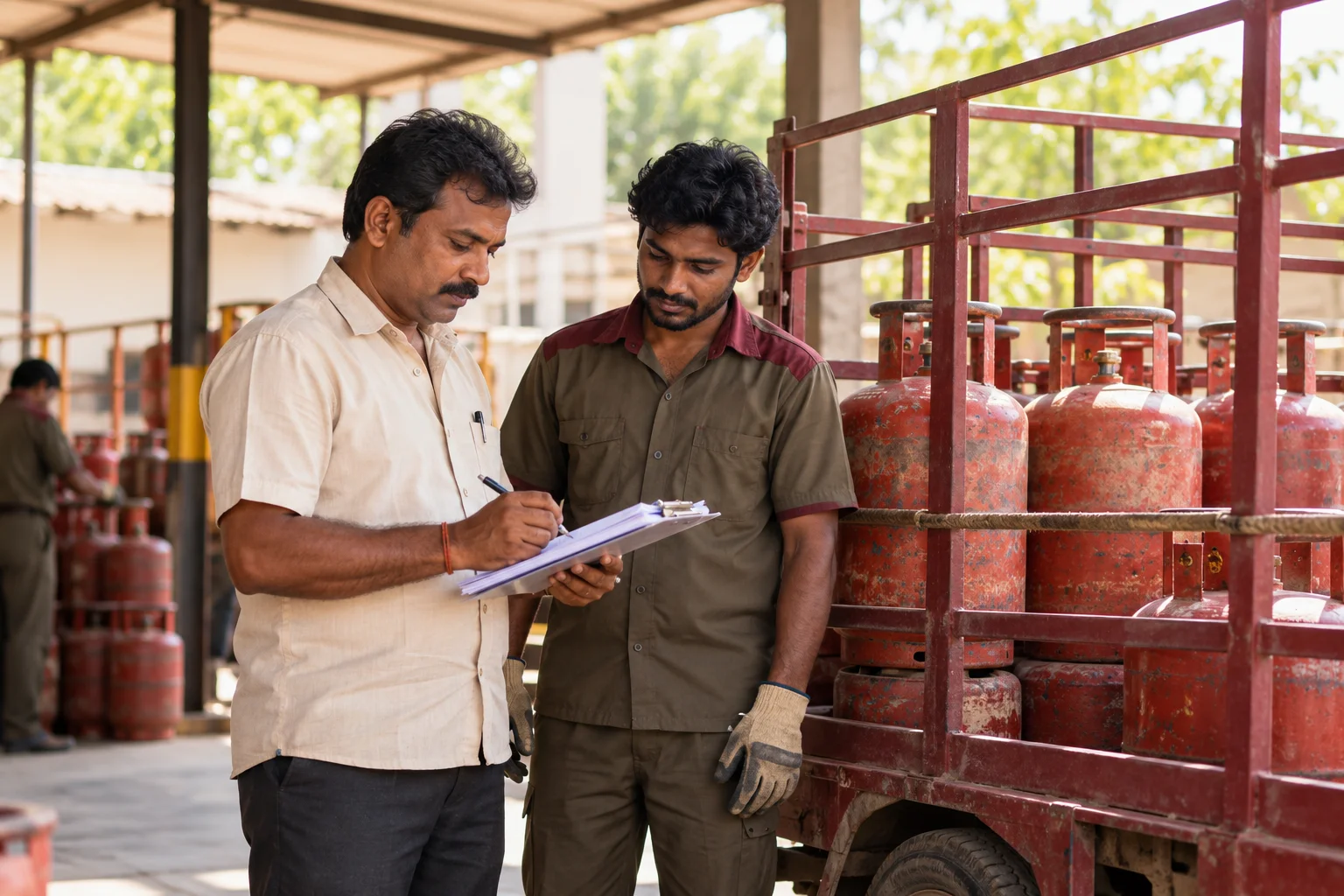
What content marketing means
Content marketing is writing articles, guides and pages that answer the questions buyers search before they are ready to enquire. This makes your business visible and trusted before the first call. GullySales plans this content from the first conversation onward, choosing topics that match real search demand rather than guesses.
Also for LPG and cooking gas distributors
Sales and marketing for LPG and cooking gas distributors, the overview.
Last updated 22 Oct 2026.
For LPG and cooking gas distributors
Where it usually goes wrong, and what we would do.
“Commercial buyers ask about billing and replacement”
A caterer wants to know about invoices, deposits and what happens if a cylinder leaks. A short guide that answers these builds trust before the first order. Put the answer in the first lines and the contact below.
“Household guides reduce avoidable calls”
Questions about booking steps, delivery confirmation and what to do on a missed delivery fill your phone. A clear guide takes load off the counter. Each guide you publish is one fewer repeated question at the counter.
“Safety content is sensitive”
Share official guidance from the oil company, link to its source and avoid inventing advice. A wrong tip is worse than none. Include a link to the official source on every safety page and keep it checked.
“A guide should match the agreement”
Pricing, area and offers follow company and government rules. A page that quotes something outside them creates a problem for the agency. Where a sentence depends on a rule, ask your sales officer before it goes live.
What we do
What we deliver for LPG and cooking gas distributors.
Every deliverable, what it covers for you, and the result it is there to produce. Nothing here is an extra.
A commercial supply guide
How ordering, delivery, billing and replacement work for kitchens and institutions.
Result: A purchase head sees the arrangement before ringing.
A booking and delivery guide for households
The steps, the confirmation and what to do when delivery is missed.
Result: Routine calls become self-service.
A small cylinder guide
Who it suits, how to get one and what to arrange, within company rules.
Result: Students and tenants find an answer.
A page of official safety links
Links to the oil company's own guidance, kept current.
Result: Safety information comes from the source.
An FAQ drawn from complaints
Questions customers actually raised, answered plainly.
Result: The next customer gets the answer before complaining.
A page layout that shows the contact first
A repeating arrangement with the answer, the source and the number.
Result: Readers reach a person without searching.
A scheduled review of each guide
A check you schedule on rules, numbers and links.
Result: Pages stay correct as rules change.
How the result is measured
- Pages published
- Organic traffic
- Enquiries from content pages
Recorded as a baseline before work starts, so every later report has an honest comparison.
Who it is for
This is written for these LPG and cooking gas distributors.
- Oil company appointed distributors for domestic connections
- Commercial cylinder suppliers to restaurants and caterers
- Distributors serving hostels, PGs and institutional canteens
- Small cylinder and refill dealers for tenants and students
- Bulk LPG suppliers to hotels, factories and hospitals
- Rural distributors serving villages with scattered delivery
- Urban apartment-belt agencies in cities such as Bengaluru, Pune and Hyderabad
- Gas stove, regulator and hose accessory sellers attached to an agency
How it works
How the content marketing work runs
The work itself, in order. How an engagement starts, from your brief to a written scope, is set out on our method page.
- 1
Confirm the plan
Topics and formats for the coming month are confirmed against the content strategy.
- 2
Produce and review
Content is written or filmed, then reviewed by someone who knows your trade before it goes out.
- 3
Publish and distribute
Finished content is published to the site and pushed through the channels your buyers actually use.
- 4
Track enquiries
Enquiries are traced back to content where a direct line exists, and reported honestly where it does not.
- 5
Report and adjust
We report results and adjust the next topics based on what actually worked.
Where this fits
Three pieces of sales work, in this order.
This work sits inside sales process design, at stage 0, foundation. The audit comes before it, and sales management keeps it running.
Step 1
Sales audit
Find where deals are being lost and what to fix first.
Start here if you cannot say where orders are lost.
Step 2 · you are here
Sales process design
One written way to sell, from first enquiry to repeat order.
Start here if every salesperson sells differently.
Step 3
Sales management
A target, a review routine and someone who owns the number.
Start here if the team has targets and no routine.
FAQ
Questions owners ask before they call.
Not here? More answers, or ask on WhatsApp.
Do we need a long list of guides?
Can we write about gas price changes?
Who approves the content?
How long is the contract?
How soon will we see results?
Who will actually do the work?
What do you need from us?
What if we are not happy with the work?
More for LPG and cooking gas distributors
Everything else we would do for you.
Closest to this: content and social
Also for LPG and cooking gas distributors
Or start from the overview: sales and marketing for LPG and cooking gas distributors.
Your next practical step
Tell us what you are trying to grow, and we will read it before we call.
Eight short steps, mostly taps. Skip anything you would rather answer on the call.