Seafood exporters · Lead generation
Find importers who need a new supplier before the next container slot is booked.
Lead generation for a seafood exporter means finding named importers, wholesalers and sourcing agents abroad who buy the species and packs the plant produces. GullySales works on buyer lists by market, first messages that state a reason, and a record of who has replied.
Scope, fee, reporting and term are agreed in writing after we have read your brief and spoken to you.
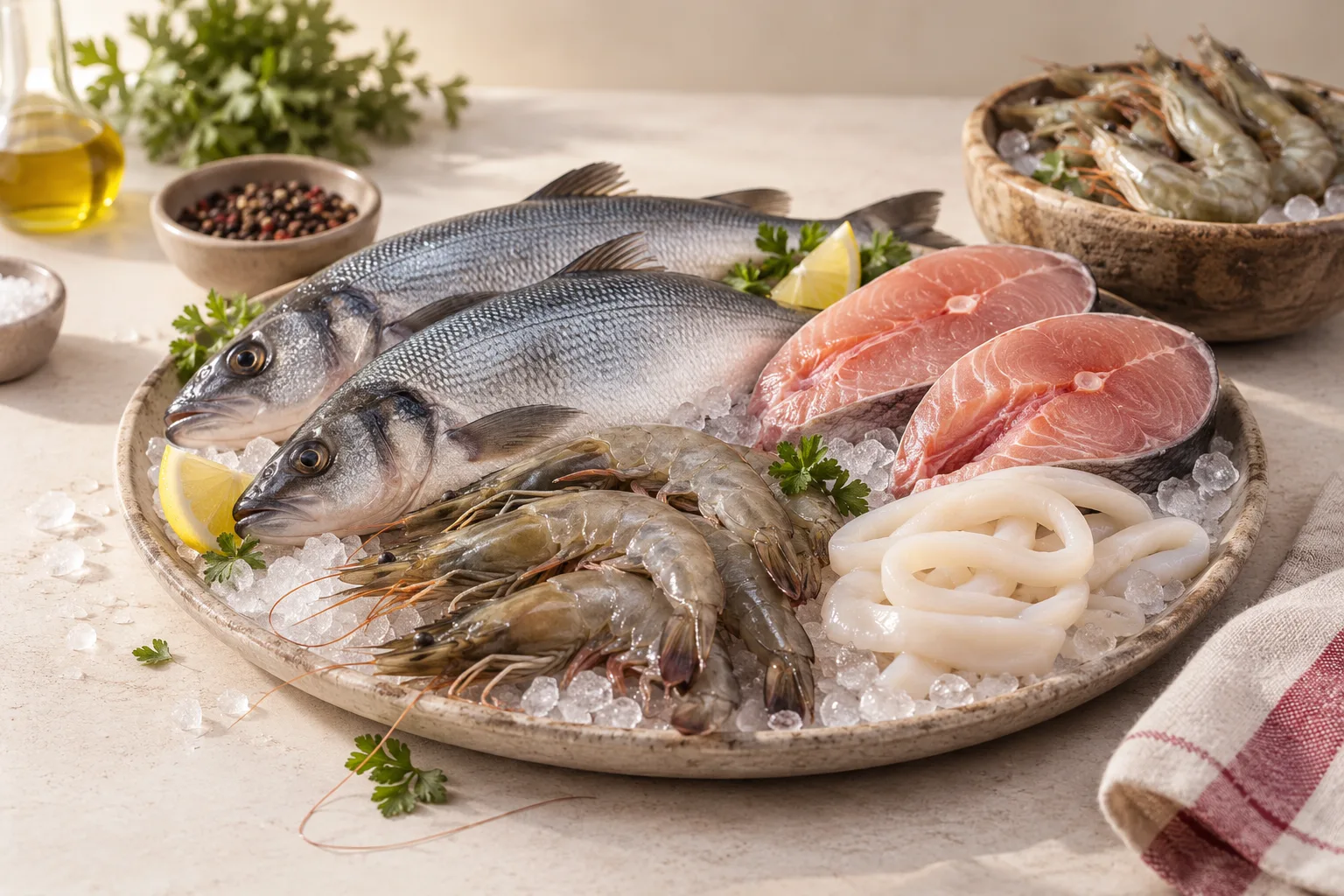
What lead generation means
Lead generation is the combined work of every channel that brings in a new enquiry, whether from search, adverts, referrals or a stall at an exhibition. GullySales runs these channels together and reports the number of enquiries each one produced, not the activity behind it.
Last updated 18 Oct 2026.
For seafood exporters
Where it usually goes wrong, and what we would do.
“The broker holds the relationship”
When two brokers bring the bulk of the containers, the exporter knows the broker and not the importer behind the order. A lead is a named buyer at an importer, reached without the broker in the middle, and the exporter has to build that list on purpose.
“A lead means little without the species”
An importer of cuttlefish has no use for a message about vannamei shrimp. The exporter who writes to a buyer should already know the species, size grade and pack that buyer sells, or the message goes straight to the bin.
“Fair contacts are leads that go stale”
A card from a Brussels or Boston show is a lead on the day. Left in a bundle through the next production season, the buyer has met three other Indian plants by the time anyone writes back.
“The first reply is part of the lead”
A buyer who asks for a price list is testing the plant. The reply that carries specification sheets, market approvals and a sample plan answers the real question, which is whether the exporter is organised enough to ship a trial container.
What we do
What we deliver for seafood exporters.
Every deliverable, what it covers for you, and the result it is there to produce. Nothing here is an extra.
Named importer lists by market
Importers, wholesalers and sourcing agents in each destination you choose, built from public directories, trade body lists and fair exhibitor lists, with the buyer and the quality contact where public.
Result: A list of named buyers for one market that you can read and correct.
First-message sequences
Short messages by email and LinkedIn that name the species, the pack and the reason your plant fits that buyer, written for purchasing heads and quality managers separately.
Result: Messages that differ by buyer role and product line.
An enquiry capture form
A form on the product pages asking species, grade, pack, destination and quantity, so the first reply starts from facts instead of a blind quote.
Result: Every enquiry arrives with the details your team needs to quote.
A lead record
Each buyer is logged with source, product, last contact and the person on your side who owes the next reply.
Result: A single sheet showing who has been written to and who is waiting.
Source-wise enquiry review
Enquiries sorted by origin: search, fair, directory, outreach or broker, counted from your own records.
Result: A view of which routes bring buyers you did not already trade with.
How the result is measured
- Enquiries generated
- Cost per enquiry
- Enquiries by source
Recorded as a baseline before work starts, so every later report has an honest comparison.
Who it is for
This is written for these seafood exporters.
- Frozen shrimp exporters with their own processing plant
- Exporters of frozen and chilled finfish such as pomfret, seer fish and tuna
- Cephalopod exporters for squid, cuttlefish and octopus
- Dried and salted fish exporters
- Crab and lobster exporters, including live and chilled shipments
- Canned and value-added seafood exporters
- Merchant exporters who source from plants and sell under their own brand
- Exporters to the Gulf and South-East Asia who sell by the container to wholesalers
How it works
How the lead generation work runs
The work itself, in order. How an engagement starts, from your brief to a written scope, is set out on our method page.
- 1
Understand your capacity
We agree how many enquiries your sales team can actually handle well, so the system is not built to overwhelm it.
- 2
Audit current sources
We check what already brings in enquiries today, even informally, before adding anything new.
- 3
Strategise the channel mix
Content, search and paid channels are chosen based on where your buyers already look.
- 4
Implement capture and follow-up
Pages, forms and a follow-up process are built and connected end to end.
- 5
Measure and optimise
We track enquiry volume and quality and adjust the channel mix to match.
Where this fits
Three pieces of sales work, in this order.
This work sits inside sales process design, at stage 1, prospecting and lead generation. The audit comes before it, and sales management keeps it running.
Step 1
Sales audit
Find where deals are being lost and what to fix first.
Start here if you cannot say where orders are lost.
Step 2 · you are here
Sales process design
One written way to sell, from first enquiry to repeat order.
Start here if every salesperson sells differently.
Step 3
Sales management
A target, a review routine and someone who owns the number.
Start here if the team has targets and no routine.
FAQ
Questions owners ask before they call.
Not here? More answers, or ask on WhatsApp.
How many importers should we write to in one market?
Do you pass us leads from a database you own?
Will outreach to importers bring orders?
How much does it cost?
How long is the contract?
How soon will we see results?
Who will actually do the work?
What do you need from us?
What if we are not happy with the work?
More for seafood exporters
Everything else we would do for you.
Closest to this: leads and follow-up
Also for seafood exporters
Or start from the overview: sales and marketing for seafood exporters.
Your next practical step
Tell us what you are trying to grow, and we will read it before we call.
Eight short steps, mostly taps. Skip anything you would rather answer on the call.