Seafood exporters · Social media
Show the plant to the sourcing head who has never visited it.
Social media for a seafood exporter is mostly a professional presence on LinkedIn and, for some buyers, WhatsApp status and Instagram, where importers check that a plant is real and active. GullySales works on what the company page shows, what the team posts and how buyers are approached.
Scope, fee, reporting and term are agreed in writing after we have read your brief and spoken to you.
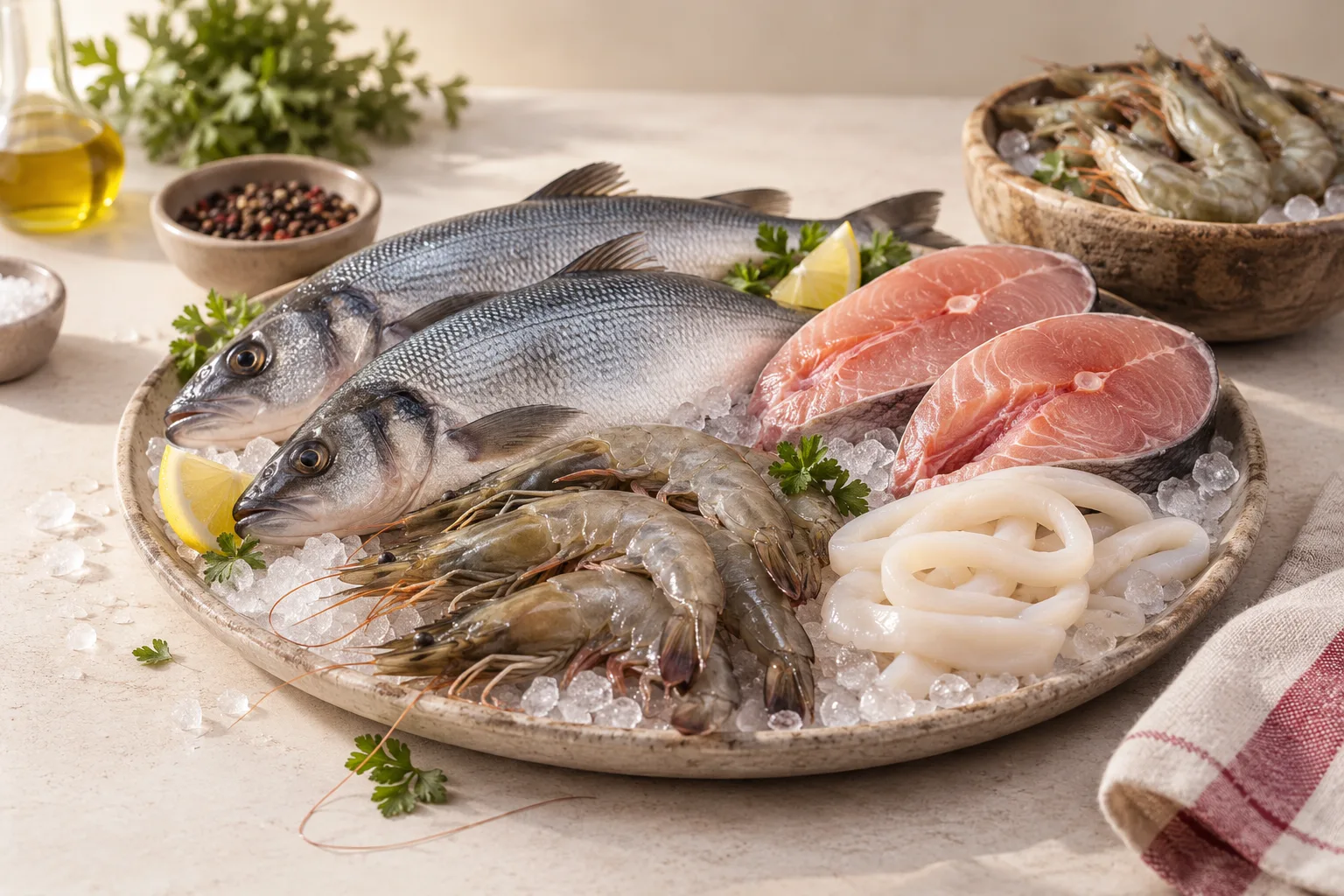
What social media means
Social media is the ongoing posting your business does on platforms such as Instagram, Facebook and LinkedIn to stay visible to customers and prospects between purchases. GullySales plans a posting calendar, writes captions and designs the images so the page looks active and answers what a visitor would ask.
Last updated 18 Oct 2026.
For seafood exporters
Where it usually goes wrong, and what we would do.
“The importer looks you up before replying”
A purchasing head who receives your email opens your LinkedIn page. An empty page, or one with a single logo post from two years ago, raises a doubt that no brochure can remove.
“Plant photos need care”
Hygiene shows in the picture: clothing, floor, packing line, cold room. A photo taken for a visit, not for a buyer, can show something a quality manager reads the wrong way. Choose images with your quality head.
“People sell, not logos”
Importers reply to a named export manager more than to a company page. The team members who speak to buyers should have complete profiles that say what they handle and which markets they cover.
“Fair contacts belong on the network”
After a show, connecting with each person met on the stand, with a note naming the conversation, keeps the relationship alive through the long gap before a sample request.
What we do
What we deliver for seafood exporters.
Every deliverable, what it covers for you, and the result it is there to produce. Nothing here is an extra.
LinkedIn company page
A clear page with product lines, markets served, plant description and links to the product pages on your site.
Result: A page a buyer can read in a minute to see what the plant makes.
Team profile set-up
Profiles for the export and quality staff who deal with buyers, with plain descriptions of role and markets.
Result: Each buyer-facing person has a profile that matches the company page.
Plant and process post bank
A set of posts drawn from real photos and facts about sorting, grading, freezing and packing, each checked by your quality head.
Result: A bank of approved posts ready to schedule.
Connection and message plan
A route for linking with named importers and writing a short note after connection, based on the buyer lists.
Result: A plan that says who connects with whom, and what the first note says.
Fair-week posting plan
Posts before, during and after an overseas show, announcing the stand, the products and the meeting slots.
Result: A fair-week plan the team can follow without drafting daily.
How the result is measured
- Posts published
- Engagement rate
- Enquiries from social profiles
Recorded as a baseline before work starts, so every later report has an honest comparison.
Who it is for
This is written for these seafood exporters.
- Frozen shrimp exporters with their own processing plant
- Exporters of frozen and chilled finfish such as pomfret, seer fish and tuna
- Cephalopod exporters for squid, cuttlefish and octopus
- Dried and salted fish exporters
- Crab and lobster exporters, including live and chilled shipments
- Canned and value-added seafood exporters
- Merchant exporters who source from plants and sell under their own brand
- Exporters to the Gulf and South-East Asia who sell by the container to wholesalers
How it works
How the social media work runs
The work itself, in order. How an engagement starts, from your brief to a written scope, is set out on our method page.
- 1
Understand your audience and platforms
We identify which platforms your specific buyers actually use and what kind of content they respond to.
- 2
Audit current presence
We review existing pages, past content performance and any gaps in consistency.
- 3
Build the content calendar
A plan is created, balancing genuine value with occasional direct offers.
- 4
Implement and post
Content is created and published consistently on the agreed schedule.
- 5
Measure and optimise
We track enquiries alongside engagement and adjust the content mix based on what actually performs.
Where this fits
Three pieces of sales work, in this order.
This work sits inside sales process design, at stage 0, foundation. The audit comes before it, and sales management keeps it running.
Step 1
Sales audit
Find where deals are being lost and what to fix first.
Start here if you cannot say where orders are lost.
Step 2 · you are here
Sales process design
One written way to sell, from first enquiry to repeat order.
Start here if every salesperson sells differently.
Step 3
Sales management
A target, a review routine and someone who owns the number.
Start here if the team has targets and no routine.
FAQ
Questions owners ask before they call.
Not here? More answers, or ask on WhatsApp.
Is Instagram useful for an exporter selling by the container?
Can we post photos of our processing floor?
Who should post, the company or the export manager?
How much does it cost?
How long is the contract?
How soon will we see results?
Who will actually do the work?
What do you need from us?
What if we are not happy with the work?
More for seafood exporters
Everything else we would do for you.
Closest to this: content and social
Also for seafood exporters
Or start from the overview: sales and marketing for seafood exporters.
Your next practical step
Tell us what you are trying to grow, and we will read it before we call.
Eight short steps, mostly taps. Skip anything you would rather answer on the call.