Mineral processing companies · Content marketing
Write what a purchase head checks, and the plant becomes the supplier who explains.
Content marketing for a mineral processing company means publishing guides, grade notes and test explanations that a technical buyer reads while choosing a supplier. GullySales drafts these with your lab head, so every figure and method is the plant's own.
Scope, fee, reporting and term are agreed in writing after we have read your brief and spoken to you.
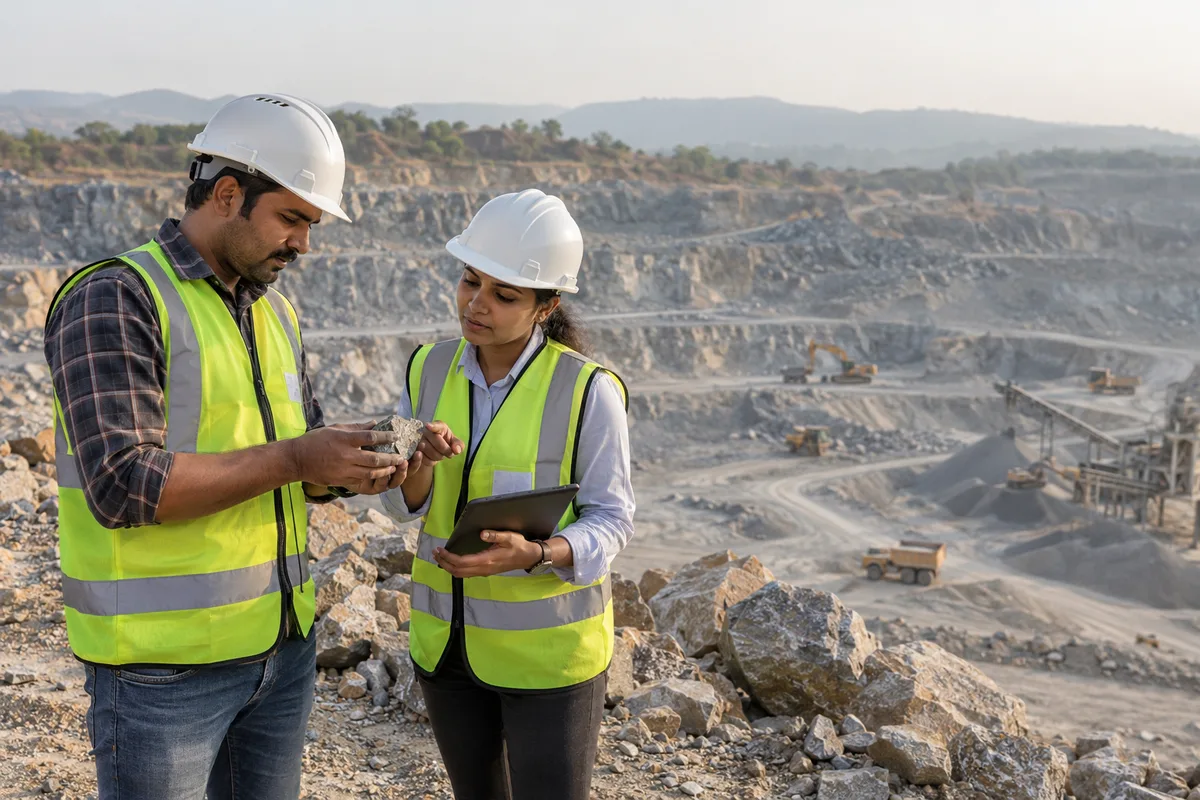
What content marketing means
Content marketing is writing articles, guides and pages that answer the questions buyers search before they are ready to enquire. This makes your business visible and trusted before the first call. GullySales plans this content from the first conversation onward, choosing topics that match real search demand rather than guesses.
Also for mineral processing companies
- Social media marketing for mineral processing companies
- Lead generation for mineral processing companies
- SEO for mineral processing companies
- Buyer personas for mineral processing companies
- CRM for mineral processing companies
- Follow-up systems for mineral processing companies
- WhatsApp marketing for mineral processing companies
- Digital marketing for mineral processing companies
Sales and marketing for mineral processing companies, the overview.
Last updated 18 Oct 2026.
For mineral processing companies
Where it usually goes wrong, and what we would do.
“The buyer is reading to decide, not to be entertained”
A production head comparing two feldspar suppliers reads a note on how fineness affects the body of a tile. The person is at the point of choosing, and a clear technical page answers the question the salesperson gets asked.
“The lab holds the best material and nobody writes it down”
Your lab head explains to a buyer on the phone why whiteness varies with the seam. That conversation, written once, serves every future buyer who asks the same thing.
“A glossary saves the first call”
Terms such as mesh, residue on sieve, loss on ignition and oil absorption are known to the buyer but spelt differently in each plant. A short glossary shows the plant measures the way the buyer does.
“Content for one industry reads as noise to another”
A guide for paint makers on extender grades will bore a foundry buyer. Each piece should name its reader in the first line, and be filed under that industry.
What we do
What we deliver for mineral processing companies.
Every deliverable, what it covers for you, and the result it is there to produce. Nothing here is an extra.
A topic list from real questions
Questions pulled from enquiries, sample feedback and calls, grouped by industry and grade.
Result: Each planned piece answers a question buyers have already asked you.
Grade explainers
A short piece per grade covering what it is, how the plant processes it and what the buyer should test.
Result: A buyer can read the explainer before asking for a sample.
A testing and sampling guide
A page on how to test a sample against a specification and what the certificate shows.
Result: The buyer's lab knows what to measure and what to compare.
A glossary of terms
The plant's measurement terms defined in plain words, with the method used.
Result: Terms on certificates and grade pages mean the same thing everywhere on the site.
Lab review of every draft
Each piece goes to your lab head before it is published.
Result: Nothing is published with a figure or claim your lab has not checked.
How the result is measured
- Pages published
- Organic traffic
- Enquiries from content pages
Recorded as a baseline before work starts, so every later report has an honest comparison.
Posts and pieces to plan
Pieces a purchase head or lab chemist would keep, written from the plant's own tests.
- Reading a mineral powder datasheet
- A guide to mesh, particle size, moisture and loss on ignition on your sheet. Needs a real sheet from the plant to anchor each term.
- Why a sample passes and a lot differs
- A note on how the plant blends and tests lots to stay close to the sample. Describe your actual routine, with the lab's agreement.
- Which powder suits which firing or filling job
- A buyer guide linking quartz, feldspar, talc and barytes to ceramic, paint and paper uses. Written with the plant chemist.
- A glossary of grade and sieve terms
- Short entries buyers search, such as mesh against micron, with a link to the matching grade page.
- What a first trial order should include
- A checklist covering quantity, packing, certificate and test method so the buyer and plant measure the same thing.
Who it is for
This is written for these mineral processing companies.
- Quartz and silica processors
- Feldspar and ceramic mineral grinders
- Talc and soapstone processors
- Barytes and calcite processors
- Clay and kaolin processors
- Bauxite, mica and other mineral units
- Pulverisers and micronising units
- Washing and beneficiation plants
Not for
It is not the right fit if.
- The lab holds the figures but no one will write or approve a technical piece, so published content would be guesses
- You sell one grade to one buyer and have nothing a second reader would look for
- Your test results change with each lot and you cannot yet state a figure you will stand behind
How it works
How the content marketing work runs
The work itself, in order. How an engagement starts, from your brief to a written scope, is set out on our method page.
- 1
Agree the plan
Topics and formats come from the content strategy and the buyer-question list. The volume goes into the written scope, agreed with you, not into a number quoted on a call.
- 2
Brief and draft
Each piece starts from its one-page brief and a short conversation with your technical person, recorded if they allow it, so the draft uses their words.
- 3
Check the facts
Your person marks the draft for accuracy and we correct it. Regulated subjects also go to your own adviser, because restrictions on claims apply to articles as much as to advertisements.
- 4
Publish and distribute
The piece goes live on your site, then out through the channels where your buyers already are.
- 5
Read the enquiries and adjust
Results are reported against the baseline recorded before work began. Topics that brought readers but no enquiries are changed or dropped. How often you are reported to is agreed in writing.
Where this fits
Three pieces of sales work, in this order.
This work sits inside sales process design, at stage 0, foundation. The audit comes before it, and sales management keeps it running.
Step 1
Sales audit
Find where deals are being lost and what to fix first.
Start here if you cannot say where orders are lost.
Step 2 · you are here
Sales process design
One written way to sell, from first enquiry to repeat order.
Start here if every salesperson sells differently.
Step 3
Sales management
A target, a review routine and someone who owns the number.
Start here if the team has targets and no routine.
FAQ
Questions owners ask before they call.
Not here? More answers, or ask on WhatsApp.
Who writes the technical content?
How long should a guide be?
Should we publish case studies?
Can content help a plant that sells mostly through traders?
How much does it cost?
How long is the contract?
Who will actually do the work?
What do you need from us?
What if we are not happy with the work?
More for mineral processing companies
Everything else we would do for you.
Closest to this: content and social
Also for mineral processing companies
Or start from the overview: sales and marketing for mineral processing companies.
Your next practical step
Tell us what you are trying to grow, and we will read it before we call.
Eight short steps, mostly taps. Skip anything you would rather answer on the call.