Waste management and recycling companies · Buyer persona
Know the secretary, the chef and the EHS officer before you write the proposal.
A buyer persona for a waste company is a written profile of the person who chooses the vendor at a society, a hotel, an office or a plant, covering their worries, their questions and who else decides. GullySales builds the profiles from your own enquiries, visits and lost proposals.
Scope, fee, reporting and term are agreed in writing after we have read your brief and spoken to you.
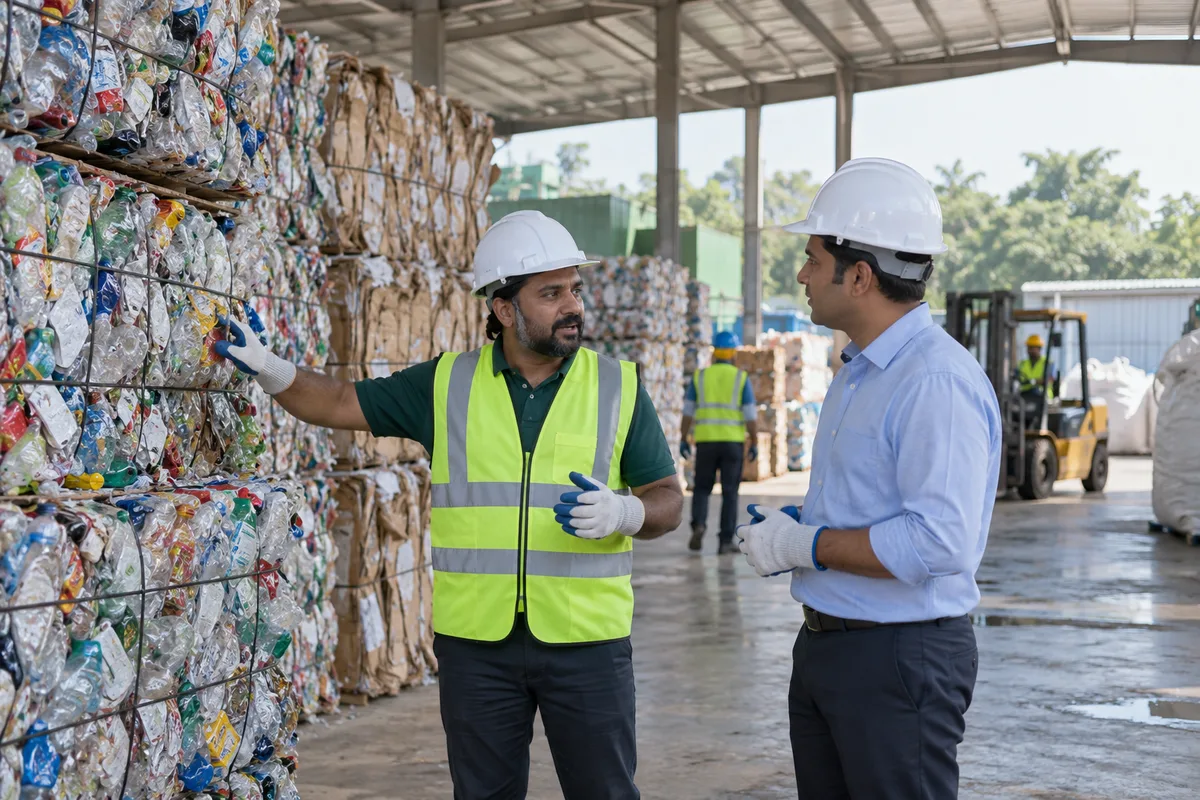
What buyer persona means
A buyer persona is a plain description of the kind of customer who actually buys from you. It includes what they search, what worries them and who else they ask before deciding. GullySales builds this from real enquiries and past sales rather than a generic template, then uses it to write every page and advert.
Also for waste management and recycling companies
- Digital marketing for waste management and recycling companies
- SEO for waste management and recycling companies
- local SEO for waste management and recycling companies
- lead generation for waste management and recycling companies
- WhatsApp marketing for waste management and recycling companies
- CRM for waste management and recycling companies
- a sales process for waste management and recycling companies
- referral marketing for waste management and recycling companies
Sales and marketing for waste management and recycling companies, the overview.
Last updated 11 Oct 2026.
For waste management and recycling companies
Where it usually goes wrong, and what we would do.
“The society secretary carries a committee”
A secretary is a volunteer who answers to residents and must justify the choice at a meeting. They need a proposal short enough to read aloud and a name to call when a pickup is missed.
“The hotel buyer is split between kitchen and purchase”
The executive chef cares about pickup timing around service, the general manager about complaints, and the purchase head about price. One pitch aimed at only one of them stalls.
“The factory buyer wants paperwork first”
A plant manager or EHS officer asks for documents, handling records and the final destination of the material before price. A proposal that leads with a rate looks like it skipped the question.
“The facility manager moves between sites”
A facility manager serving several buildings can bring you into new places or take you out. Treating them as a single-site contact ignores the influence they carry.
What we do
What we deliver for waste management and recycling companies.
Every deliverable, what it covers for you, and the result it is there to produce. Nothing here is an extra.
A profile for each buyer type
Society committee, hotel and restaurant, office and tech park, factory and builder, each with role, worries, questions and what they need to see.
Result: The team knows who they are talking to.
A decision map for each site type
Who raises the need, who checks, who approves and who pays, drawn from sites you have already won or lost.
Result: You approach every person who can block the deal.
Questions to ask on a first call
A short list for each persona covering waste stream, quantity, current vendor, trouble points and the date of the next decision.
Result: The first call collects what the proposal needs.
Messages matched to each persona
A short note, a proposal opening and a follow-up line for each profile, in the language the buyer uses.
Result: Each buyer reads something written for them.
Objection notes from the record
The reasons buyers gave for saying no, grouped by persona, with the reply that worked for the sites you won.
Result: The team answers objections from evidence.
A yearly review of the profiles
A look at new rules, new enquiries and lost sites, with profiles changed where buyers have changed.
Result: Profiles stay true to who is buying.
How the result is measured
- Enquiry match to persona
- Conversion rate by persona
- Content aligned to persona
Recorded as a baseline before work starts, so every later report has an honest comparison.
Who is asking
The buyers who ask about waste, and what each wants first.
- Society secretary
- Wants a vendor the committee will approve and residents will not complain about. Asks about pickup days, segregation help and who answers a missed day.
- Hotel executive chef
- Wants kitchen waste out at the hour the kitchen is quietest. Asks about odour, bin type and a record for the purchase head.
- Hotel purchase manager
- Wants a clear rate basis and a contract the finance head can read. Asks how extra pickups are counted.
- Factory EHS officer
- Wants paperwork before the price: what is collected, how it is handled and which records are shared. Asks you to check current rules.
- Facility manager of an office park
- Wants one vendor across several blocks and a supervisor who answers the phone. Compares your record with the incumbent.
Who it is for
This is written for these waste management and recycling companies.
- Wet waste collection and composting companies
- Dry waste and plastic recyclers
- Scrap dealers and organised kabadiwala networks
- E-waste collectors and recyclers
- Construction and demolition waste handlers
- Industrial and factory waste managers
- Paper, cardboard and packaging waste recyclers
- Battery, tyre and used oil collectors
- Society and apartment waste management vendors
Not for
It is not the right fit if.
- You have not spoken to any of these buyers, so a persona would be written from guesses and shape the wrong proposal.
- You serve a single kind of client and the extra personas would be filler, not findings.
How it works
How the buyer persona work runs
The work itself, in order. How an engagement starts, from your brief to a written scope, is set out on our method page.
- 1
Understand the current view
We start with how your team currently describes the customer, since the gap between belief and reality is the finding itself.
- 2
Audit past enquiries and sales
We look at recent enquiries and closed deals to see who actually bought, not who was assumed to buy.
- 3
Interview customers and staff
Structured conversations with recent buyers, held as talk about the last purchase and not a questionnaire. We ask what happened before they called, who else was involved and what they compared. Customers agree before we contact them, and their answers are reported without names.
- 4
Build the personas
Findings are written into short, usable persona documents rather than a long report.
- 5
Apply to your marketing
We show where each persona should change a page, an ad or a script you already have. The sales team reads the drafts and says which ring true. A persona they do not recognise is rewritten.
Where this fits
Three pieces of sales work, in this order.
This work sits inside sales process design, at stage 0, foundation. The audit comes before it, and sales management keeps it running.
Step 1
Sales audit
Find where deals are being lost and what to fix first.
Start here if you cannot say where orders are lost.
Step 2 · you are here
Sales process design
One written way to sell, from first enquiry to repeat order.
Start here if every salesperson sells differently.
Step 3
Sales management
A target, a review routine and someone who owns the number.
Start here if the team has targets and no routine.
FAQ
Questions owners ask before they call.
Not here? More answers, or ask on WhatsApp.
How do we build a persona without a market survey?
Do we need a separate persona for each waste stream?
What if the real decision maker never meets us?
How does a waste company build a persona from its own clients?
How much does it cost?
How long is the contract?
How soon will we see results?
Who will actually do the work?
What do you need from us?
What if we are not happy with the work?
More for waste management and recycling companies
Everything else we would do for you.
Closest to this: strategy and research
Also for waste management and recycling companies
- SEO for waste management and recycling companies
- local SEO for waste management and recycling companies
- lead generation for waste management and recycling companies
- WhatsApp marketing for waste management and recycling companies
- CRM for waste management and recycling companies
- a sales process for waste management and recycling companies
Or start from the overview: sales and marketing for waste management and recycling companies.
Your next practical step
Tell us what you are trying to grow, and we will read it before we call.
Eight short steps, mostly taps. Skip anything you would rather answer on the call.